


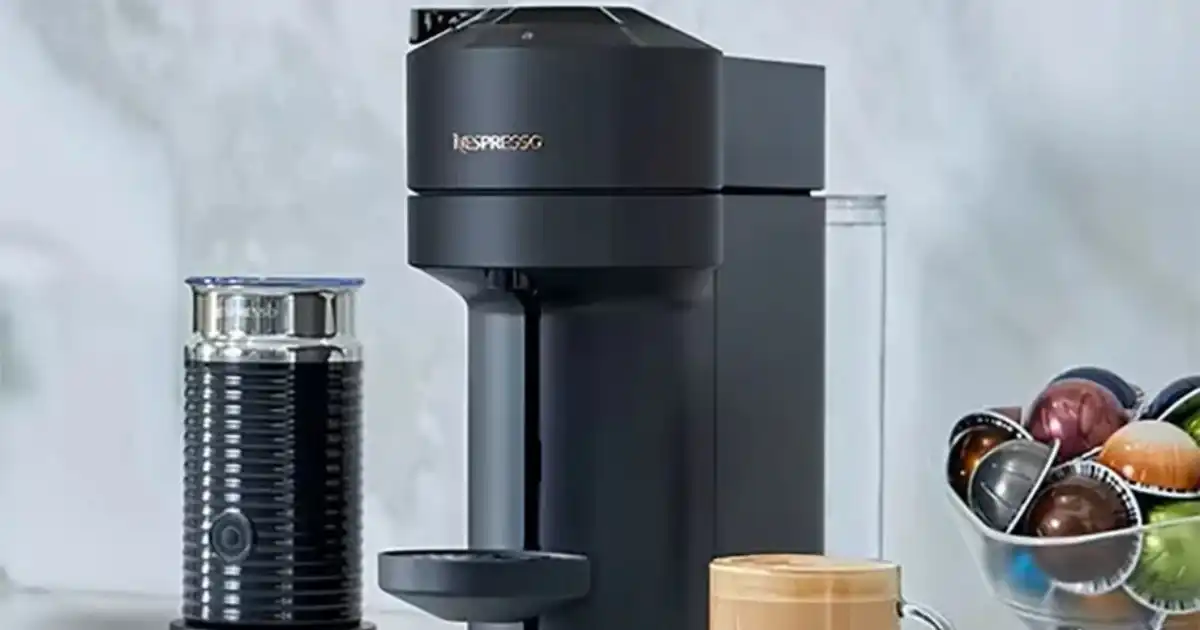
Most people never think about how much electricity their coffee machine uses. They plug it in, press the button, enjoy the coffee, and move on with their day.10 Nespresso Vertuo Energy-saving Tips & Tricks
But after living with a Nespresso Vertuo machine for a while, you start noticing little patterns. The machine reheats frequently. It runs rinse cycles. Sometimes it sits powered on for hours even though you only made one cup.
None of these things are huge energy drains on their own. Vertuo machines are actually designed to be fairly efficient. But small daily habits can quietly waste electricity.
Leaving the machine on all morning. Brewing one cup, then another 40 minutes later. Running rinse cycles more often than needed. Reheating coffee instead of brewing properly.
Over weeks and months, these habits add up.
The good news is that the Vertuo system is already built with efficiency in mind. Once you understand how it heats water, when it uses the most power, and how standby mode works, it becomes easy to use less electricity without changing your coffee routine.
Most of the tips in this guide are simple habit changes. Nothing complicated. Just small adjustments that make the machine work smarter instead of harder.
How Much Energy Does a Nespresso Vertuo Use?
Nespresso Vertuo machines use a heating system called a thermoblock. Instead of heating a large boiler full of water, the thermoblock heats only the water needed for each brew.
That design is one reason these machines are fairly energy efficient.
When you turn the machine on, it quickly heats up to brewing temperature. Usually this takes around 15 to 25 seconds depending on the model. During this short heating period, the machine draws the most electricity. The heating element can pull around 1200 to 1500 watts while it is warming the water.
Once the water reaches the correct temperature and the coffee is brewed, energy use drops significantly. If the machine sits idle, it shifts into standby mode where power consumption becomes very small.
Most Vertuo models also include an automatic shut off feature. After several minutes of inactivity, the machine powers itself down to reduce wasted energy.
In real daily use, the biggest energy consumption happens during three moments. Initial heat up, reheating between cups, and rinse cycles.
That means your habits matter more than the machine itself. Brewing several cups in a row uses far less electricity than heating the system again and again throughout the day.
Understanding this simple behavior makes energy saving much easier.
Why Energy Efficiency Matters for Coffee Machines
A coffee machine might not seem like a big energy user compared to things like air conditioners or ovens. And on its own, it isn’t.
But daily appliances have a sneaky way of adding up.
A Vertuo machine might heat up several times a day. Morning coffee, afternoon pick me up, maybe an evening decaf. Each time the heating system activates, it uses a burst of electricity.
If the machine stays powered on for hours between cups, it can also draw small amounts of standby power.
None of this is dramatic. But over months and years, those little habits can waste more energy than people expect.
There is also another benefit to efficient use. Your machine lasts longer.
When a Vertuo machine repeatedly heats and cools throughout the day, the internal components work harder. Thermoblocks, pumps, and seals all experience more wear.
Better habits do not just save electricity. They also keep the machine running smoothly for longer.
Think of it as treating your coffee machine the way you treat a good kitchen appliance. Use it smartly, and it rewards you with better performance and fewer problems.
10 Nespresso Vertuo Energy-Saving Tips & Tricks
Let the Auto-Off Feature Do Its Job
One feature many Vertuo owners forget about is the automatic shut off. Most machines are programmed to power down after several minutes of inactivity. This prevents the machine from sitting there drawing power all day.
In my experience, people accidentally defeat this feature by constantly waking the machine up. They tap the button, check something, run a rinse cycle, or open the lid.
Every time the machine wakes up, it reheats again.
The better habit is simple. Brew your coffee, leave the machine alone, and let the auto off system shut it down naturally. It is designed to handle this.
The machine will reheat quickly when you need another cup. Letting it sleep in between saves electricity without affecting convenience.
Turn the Machine Off After Your Morning Routine
If you know your coffee routine is finished for the next few hours, turning the machine off manually is one of the easiest energy saving habits.
Many people leave the machine on from morning until evening even though they only use it once or twice.
I used to do this myself. The machine would sit powered on all day after my morning cup.
Now I simply hold the button to power it down when I finish making coffee. It takes two seconds.
When I come back later in the afternoon, the heat up time is so fast that I barely notice the difference.
This small habit prevents unnecessary standby power and avoids extra reheating cycles throughout the day.
Brew Multiple Cups Back to Back
This tip makes a surprisingly big difference.
Heating the machine once and brewing several cups in a row is far more efficient than brewing one cup every hour.
When the thermoblock is already hot, the machine uses less energy to prepare the next cup.
You can see this in real use. The first cup after turning the machine on takes the longest. The second and third cups brew faster because the system is already warm.
If you live with family members or have guests, try brewing all the coffees in one go.
Even if you personally drink two cups in the morning, making them back to back uses less electricity than reheating the machine twice.
Avoid Unnecessary Rinse Cycles
Rinse cycles are useful. They help keep the machine clean and flush out old coffee oils.
But many owners run them far more often than needed.
Each rinse cycle heats water and pumps it through the system. That means electricity is used every time you run one.
In normal daily use, a quick rinse occasionally is enough. You do not need to run it every single day.
I usually run a rinse after several days of heavy use or if the machine has been idle for a while.
Running rinse cycles constantly does not make the coffee better. It just wastes hot water and electricity.
Descale the Machine Regularly
Descaling is not just about taste. It also affects energy efficiency.
Over time, mineral buildup from water forms inside the heating system. This layer acts like insulation around the heating element.
When that happens, the thermoblock has to work harder to heat the water to brewing temperature.
That means longer heating cycles and more electricity consumption.
Descaling removes that buildup so heat transfers efficiently again.
Most Vertuo machines alert you when descaling is needed. Ignoring those alerts can slowly reduce efficiency and increase energy use.
Fill the Water Tank to a Practical Level
This might sound small, but it actually helps with heat management.
When the water tank is nearly empty, people often refill it with cold water right before brewing. That colder water slightly increases the work the heating system must do.
Keeping a reasonable amount of water in the tank helps maintain more stable conditions.
You do not need to fill it completely every time, but avoid running it down to the last drop before refilling.
I usually keep mine around halfway full. It keeps things simple and avoids sudden cold refills during brewing.
Choose Efficient Cup Sizes
Different Vertuo capsules brew different amounts of coffee.
Larger cup sizes require more hot water and slightly longer brewing times. That naturally uses a bit more energy.
This does not mean you should avoid larger cups entirely. But if you often brew a large cup and only drink half of it, that is wasted energy.
Many people discover they are perfectly happy with a smaller cup once they try it.
In my case, I switched from large mugs to smaller coffee sizes during the afternoon. Same caffeine boost, less waste.
Use Insulated Mugs
This tip is more about avoiding wasted reheating.
If your coffee cools down quickly, you might end up microwaving it or brewing another cup sooner than expected.
Both of those actions use more energy.
Insulated mugs keep coffee hot for much longer. That means the cup you already brewed stays enjoyable without reheating.
It is a simple change, but it prevents extra brewing cycles that the machine did not need to perform.
Place the Machine in a Well Ventilated Area
Heat buildup around the machine can slightly affect performance.
If the Vertuo is squeezed tightly between appliances or placed in a very warm corner, heat may not dissipate properly.
Good airflow helps the machine regulate its internal temperature more effectively.
In practical terms, this means placing the machine on an open section of the counter with a little space around it.
It is not a dramatic energy saver, but good ventilation helps the heating system operate smoothly and prevents unnecessary stress.
Use a Smart Plug for Scheduled Shutoff
A smart plug can automatically cut power to the machine when it is not needed.
For example, you might schedule the plug to turn off late at night and turn on again before your morning coffee routine.
This guarantees the machine is never left powered on overnight by accident.
Some people worry that this will slow down their morning routine. In reality, the Vertuo heats up so quickly that the difference is minimal.
It is a simple automation trick that quietly prevents wasted standby power.
Bonus Energy-Saving Habits for Vertuo Owners
Beyond the main tips, a few smaller habits can also make your coffee routine more efficient.
One simple habit is unplugging the machine when you travel. If you leave home for a week or two, there is no reason for the machine to remain connected to power.
Another helpful habit is batching coffee when guests visit. Instead of brewing one cup every 10 minutes, make several cups in a row while the machine is already hot.
Keeping the machine clean also helps. Coffee oils and residue can slowly affect performance, causing longer brewing times or inconsistent heating.
Avoid reheating coffee repeatedly throughout the day. If you know you will want another cup later, it is usually better to brew a fresh one rather than heating the same cup multiple times.
Finally, pay attention to your routine. Many people develop patterns without realizing it. Brewing small cups repeatedly across the entire day forces the machine to heat up again and again.
A little awareness goes a long way.
Once you notice how your machine behaves, it becomes easy to make small adjustments that save both energy and effort.
Common Energy-Wasting Mistakes Vertuo Owners Make
The most common mistake is leaving the machine powered on all day.
Many owners make one cup in the morning and simply forget the machine is still on. Hours pass while the machine sits idle.
Another common issue is ignoring descaling alerts. When scale builds up inside the heating system, the machine needs more energy to reach brewing temperature.
Running rinse cycles too frequently is another overlooked habit. Some people treat the rinse button like a daily ritual. In reality, it only needs to be done occasionally.
Repeated reheating is also surprisingly common. Coffee gets cold, it goes in the microwave, then another cup gets brewed later anyway. That means energy was used twice.
And finally, brewing single cups scattered throughout the day forces the machine to heat up repeatedly.
None of these habits are catastrophic. But combined together, they create unnecessary energy use.
Once you notice them, they are very easy to fix.
You Might Be Interested In
- 10 Nespresso Vertuo Setup Hacks For Beginners
- 7 Most Popular Nespresso Vertuo Flavors Ranked
- What Are The Benefits Of Vertuo Plus?
- Can Nespresso Vertuo Use Normal Pods?
- Who Makes Wellsley Farms Coffee?
Conclusion
Nespresso Vertuo machines are already designed to be efficient. The thermoblock heating system, quick heat up time, and automatic shut off features all help reduce electricity use compared to older coffee makers.
The real difference comes from how the machine is used. Small habits like brewing cups back to back, letting the auto off feature work, and avoiding unnecessary rinse cycles can quietly reduce energy waste without changing your coffee routine.
The key is experimentation. Every Vertuo machine behaves slightly differently, and finding your favorite capsule often requires trying a few brands before settling on the one that fits your taste and budget.
FAQs
Do Nespresso Vertuo machines consume electricity in standby mode?
Yes, they do, but the amount is extremely small. When the machine finishes brewing and sits idle for a few minutes, it enters a low-power standby state before eventually shutting itself off. During that standby period, the internal electronics remain active so the machine can respond instantly when you press the button again. That small readiness feature uses a tiny amount of electricity, similar to what many modern appliances consume when waiting for input.
In real daily use, the energy used in standby mode is usually insignificant compared to the power required during heating and brewing. The thermoblock heating element is where most electricity is consumed, and that only happens for short bursts. So while standby power technically exists, it is not the main thing people should worry about. Your habits around heating cycles matter much more.
Should I unplug my Nespresso Vertuo when not using it?
For everyday use, unplugging the machine after every cup usually is not necessary. Vertuo machines are designed to manage their own power with automatic shut-off features, which means they turn themselves off after a period of inactivity. Once the machine powers down, the electricity draw becomes extremely minimal.
Where unplugging actually makes sense is during longer breaks. If you are leaving home for a weekend trip, going on vacation, or simply know the machine will not be used for several days, unplugging it is a simple way to eliminate any standby consumption entirely. It also provides a small extra layer of electrical safety while you are away.
Does descaling help reduce energy consumption?
Yes, and many people underestimate this benefit. Over time, minerals from water slowly build up inside the thermoblock heating system. That mineral layer acts like insulation around the heating element, which means the machine has to work harder to bring the water up to brewing temperature.
When you descale the machine, you remove that buildup and restore efficient heat transfer. The heating system can warm water faster and with less effort, which means shorter heating cycles and slightly lower energy use. In my experience, machines that are regularly descaled also feel more consistent during brewing, which is another nice side benefit.
Is brewing multiple cups more energy efficient?
Generally, yes. The biggest energy draw in a Vertuo machine happens during the initial heating phase. When the machine starts from a cold state, the thermoblock must heat up quickly to reach the correct brewing temperature.
Once the system is hot, it requires far less energy to brew additional cups. That is why making two or three coffees in a row uses less electricity than brewing one cup now and another an hour later. The machine stays warm and ready, so the second cup does not require a full heating cycle again.
Do newer Vertuo models use less electricity?
Newer Vertuo machines can be slightly more efficient, mostly because of improvements in standby electronics and power management features. Some models also shut off faster after inactivity or manage their heating cycles a little more intelligently.
However, the difference between models is usually small. The thermoblock heating system used across the Vertuo lineup is already designed to be energy efficient. In real life, how you use the machine matters much more than the specific model you own. Good habits like brewing cups back to back, descaling regularly, and letting the auto shut-off feature work will have a bigger impact on energy use than upgrading to a newer machine.