


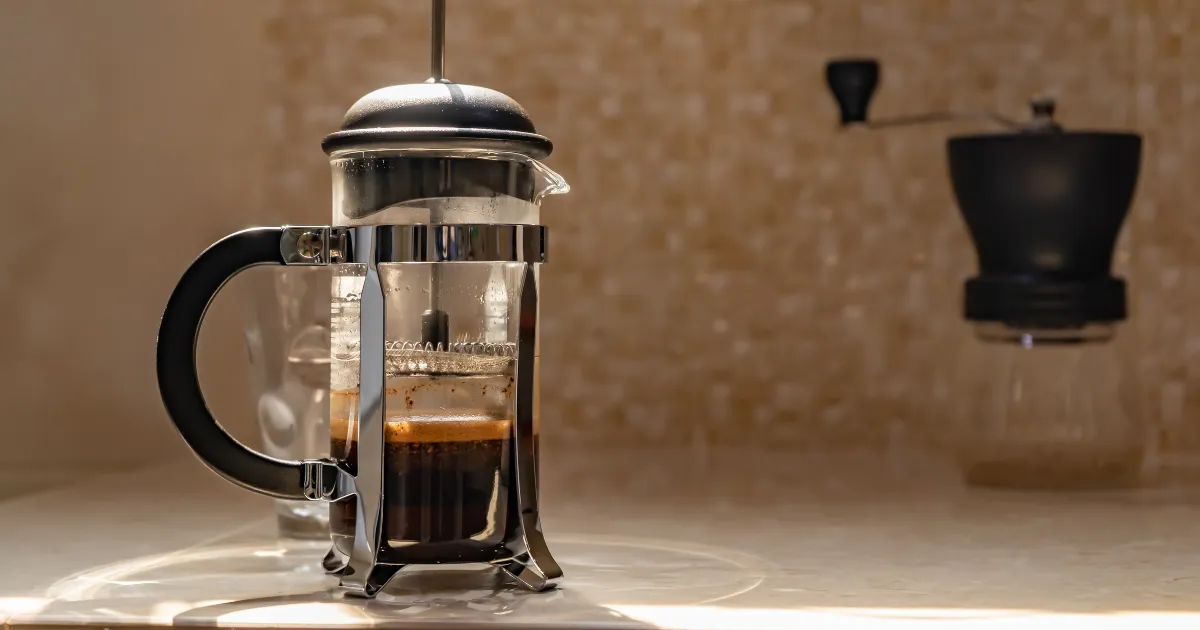
If you’re a coffee enthusiast, chances are you’ve heard of or even used a French press. It’s one of the most beloved brewing methods in the world, simple, elegant, and capable of producing a full-bodied cup of coffee. But have you ever wondered, how does a French press coffee maker work?
In this comprehensive guide, we’ll explore the fascinating science and process behind the French press, how it differs from other brewing methods, and how to master it at home. Whether you’re new to the world of coffee or an experienced barista, understanding how a French press coffee maker work helps you appreciate every sip even more.
French Press Coffee Maker
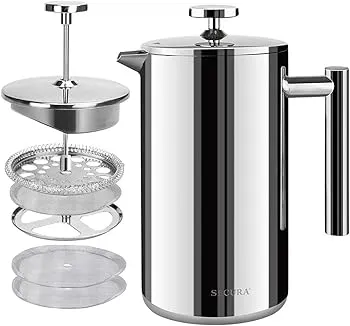
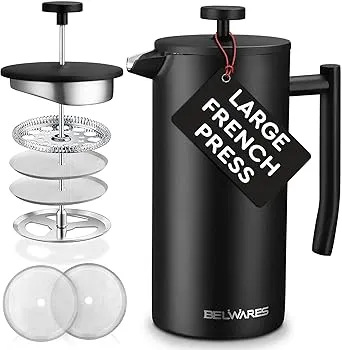
The French press, also known as a press pot or plunger pot, is a manual coffee brewing device invented in the 19th century. It consists of a simple cylindrical carafe, a plunger with a fine mesh filter, and a lid. Despite its minimalism, the design extracts maximum flavor from ground coffee beans.
The Basic Components
-
Carafe or Beaker
Usually made from glass or stainless steel, it holds hot water and coffee grounds.
-
Plunger
The plunger fits tightly inside the carafe and is used to press the grounds down.
-
Filter Screen
A fine metal mesh that separates coffee grounds from the liquid without absorbing flavorful oils.
-
Lid and Handle
These ensure safety and convenience while pouring hot coffee.
Each part of the French press works in harmony, allowing you to control extraction and brewing time manually, something automated machines can’t match.
The Science Behind How a French Press Coffee Maker Work
To understand how a French press coffee maker work, we need to break down the brewing process scientifically. Unlike drip machines that use paper filters, the French press relies on immersion brewing. This means coffee grounds are steeped directly in hot water, allowing oils, flavors, and soluble compounds to infuse fully.
Immersion Brewing Explained
Immersion brewing is all about contact time. When coffee grounds are submerged in hot water, soluble compounds dissolve at different rates. The goal is to balance extraction, getting just enough from the beans without overdoing it.
-
Under-extraction leads to sour, weak coffee.
-
Over-extraction results in bitterness.
The French press gives you complete control over these variables.
The Role of Temperature and Time
Ideal water temperature for French press brewing is between 195°F and 205°F (90°C–96°C). Too hot and the coffee becomes bitter; too cool and it tastes flat. The recommended steeping time is 4 minutes, though this can vary depending on grind size and preference.
Step-by-Step: How a French Press Coffee Maker Work in Action
Let’s go through the process in detail to see exactly how a French press coffee maker work from start to finish.
Step 1: Heating the Water
Boil water and let it rest for 30 seconds to reach the perfect temperature. Preheating your French press helps maintain consistent heat during brewing.
Step 2: Grinding the Coffee Beans
Grind your beans coarsely, resembling sea salt. Finer grinds can pass through the mesh filter, leaving sediment in your cup. A burr grinder works best for consistent results.
Step 3: Adding Coffee Grounds
For an 8-cup French press, use about 1 ounce (28 grams) of coffee for 15 ounces (450 ml) of water, a ratio of roughly 1:15. Adjust to taste.
Step 4: Pouring Water
Pour hot water over the grounds evenly, ensuring all are saturated. Stir gently to break up any clumps and help extraction.
Step 5: Steeping
Place the lid on top (without pressing the plunger) and let it steep for about 4 minutes. This is where magic happens, oils, caffeine, and aromatic compounds dissolve into the water.
Step 6: Pressing the Plunger
After steeping, slowly push down the plunger. The metal mesh separates the coffee grounds from the liquid, trapping them at the bottom.
Step 7: Pour and Enjoy
Pour the brewed coffee immediately to avoid over-extraction. What you get is a rich, full-bodied cup bursting with flavor.
Why French Press Coffee Tastes Different
The taste difference lies in oil retention and sediment presence. Paper filters in drip machines absorb essential coffee oils (cafestol and kahweol), while metal filters in the French press do not. These oils contribute to the rich aroma and creamy mouthfeel.
Moreover, small particles that remain in French press coffee enhance texture and depth. This is why coffee from a French press feels “heavier” and more robust compared to drip or pour-over coffee.
Comparing French Press with Other Brewing Methods
| Method | Brew Style | Flavor Profile | Filter Type |
|---|---|---|---|
| French Press | Immersion | Bold, full-bodied | Metal mesh |
| Drip Machine | Percolation | Smooth, clean | Paper |
| Pour-Over | Manual Percolation | Bright, crisp | Paper |
| Espresso | Pressure | Intense, concentrated | Fine metal |
| Cold Brew | Immersion (cold) | Sweet, mellow | Paper or mesh |
The French press stands out for its simplicity, control, and strong, aromatic brew.
Mastering the Perfect French Press Coffee
Now that you know how a French press coffee maker work, let’s refine the technique to brew consistently great coffee.
Use Fresh Coffee Beans
Always grind beans just before brewing. Freshly roasted beans ensure peak flavor and aroma.
Maintain Correct Ratios
Stick to a 1:15 coffee-to-water ratio for balance. For stronger coffee, reduce the water slightly but keep grind size consistent.
Control Brewing Variables
Small adjustments in steeping time or temperature can drastically change results. Keep a brewing journal to track your preferences.
Avoid Over-Extraction
Don’t let coffee sit in the press after plunging. Pour it out immediately to maintain balanced flavor.

Cleaning and Maintenance
Cleaning your French press properly ensures longevity and better-tasting coffee.
-
Disassemble the plunger and filter parts.
-
Rinse out used grounds (you can compost them).
-
Wash all components with warm, soapy water.
-
Dry thoroughly before reassembly.
Avoid harsh detergents, coffee oils are aromatic and subtle; chemical residues can alter future brews.
Advantages of Using a French Press
-
Full Flavor Extraction: Retains natural oils and aromatic compounds.
-
Simplicity: No paper filters, no electricity required.
-
Eco-Friendly: Reusable metal filter and minimal waste.
-
Control: Adjust every brewing variable manually.
-
Portability: Great for home, office, or camping.
Common Mistakes to Avoid
-
Using fine grind size (leads to sludge and bitterness).
-
Steeping too long (causes over-extraction).
-
Not cleaning the filter regularly.
-
Using stale or pre-ground coffee.
Avoiding these ensures your French press delivers perfection every time.
The Chemistry of Extraction
When hot water meets coffee grounds, several compounds are extracted sequentially:
-
Acids and aromatic compounds (within 30 seconds): Bring brightness and aroma.
-
Sugars and soluble solids (30 seconds – 2 minutes): Add sweetness and balance.
-
Bitter compounds and oils (after 3 minutes): Contribute depth and body.
The French press’s immersion method allows these to interact naturally, giving a layered flavor profile that evolves with every sip.
Troubleshooting Common Problems
| Problem | Cause | Solution |
|---|---|---|
| Bitter taste | Over-steeping / water too hot | Steep less, lower temperature |
| Weak flavor | Too coarse grind / short steep | Grind finer or extend time |
| Sludge | Fine grounds / damaged filter | Use coarse grind, replace filter |
| Lukewarm coffee | Cold press / low temperature | Preheat French press |
Advanced Tips for Coffee Enthusiasts
-
Blooming Step
Before full pouring, add a small amount of water to let the coffee “bloom” for 30 seconds. This releases trapped CO₂ for better flavor extraction.
-
Filtered Water
Minerals affect taste. Use filtered water for clarity and balance.
-
Stainless Steel Models
Retain heat longer than glass, ensuring consistent brewing.
-
Cold Brew in French Press
Steep coffee in cold water for 12–16 hours for a refreshing alternative.
Sustainability and Environmental Benefits
A French press is one of the most sustainable brewing devices:
-
No disposable filters.
-
Minimal energy consumption.
-
Durable and long-lasting materials.
By choosing this method, you contribute to reducing waste, one cup at a time.
You Might Be Interested In
- How to Use Secura Stainless Steel French Press Coffee Maker?
- Did You Turn Off The Coffee Maker In Spanish?
- How To Brew Coffee Without a Filter?
- What Does Mushroom Coffee Taste Like?
- How Much Caffeine In Colombian Coffee?
Conclusion
A French press is more than a coffee maker; it’s a timeless ritual. Understanding how does a French press coffee maker work reveals why it continues to captivate coffee lovers globally. Its simple mechanics, combined with scientific precision, result in an unparalleled brewing experience.
With just hot water, fresh beans, and a plunger, you can create coffee that rivals professional cafés, full-bodied, aromatic, and deeply satisfying. Whether you’re brewing for one or a gathering, the French press embodies the art of slow coffee, where patience rewards you with perfection.
FAQs
Can I use fine ground coffee in a French press?
Using fine ground coffee in a French press is generally not advised because the brewing method depends on coarse grounds for optimal extraction and filtration. Fine grounds can easily slip through the metal mesh filter, creating a gritty texture and leaving sediment at the bottom of your cup.
This not only alters the mouthfeel but can also cause over-extraction, resulting in bitter, harsh flavors. The coarse grind allows water to circulate freely around the coffee particles, ensuring a balanced and smooth brew. If you prefer a slightly stronger taste, adjust the steeping time or coffee-to-water ratio instead of switching to finer grounds.
How long should I steep coffee in a French press?
The ideal steeping time for French press coffee is typically around four minutes. This duration allows for full flavor extraction without crossing into bitterness. If you steep for less than four minutes, you risk under-extraction, which can lead to a weak, sour taste.
On the other hand, steeping for longer than five minutes might draw out bitter compounds, overshadowing the coffee’s natural sweetness. Depending on your grind size and personal preference, you can experiment within a small range say, three and a half to five minutes but maintaining consistency is key to achieving that perfect balance every time you brew.
Why does my French press coffee taste bitter?
A bitter French press coffee is usually the result of over-extraction, which happens when coffee grounds stay in contact with hot water for too long or when the water temperature is too high. The optimal brewing range is between 195°F and 205°F (90°C–96°C). Water that’s boiling hot scorches the grounds, pulling out unpleasant tannins and excessive oils.
Another possible cause is using too fine a grind, which increases the surface area and speeds up extraction. To fix bitterness, use coarse grounds, ensure proper steeping time, and pour out the coffee immediately after pressing to prevent further brewing at the bottom of the pot.
Can I make cold brew using a French press?
Yes, a French press doubles as an excellent cold brew maker because its immersion brewing style suits long steeping times. To make cold brew, combine coarse-ground coffee with cold or room-temperature water at a ratio of about 1:8 and stir gently. Let the mixture steep in the refrigerator for 12 to 16 hours.
Once done, press the plunger slowly to separate the grounds and pour the concentrate into another container. Cold brew made this way is naturally smooth, low in acidity, and perfect for serving over ice or with milk. The French press filter ensures a clean, rich concentrate without the need for extra equipment.
How often should I clean my French press?
Your French press should be cleaned thoroughly after every use to maintain flavor quality and hygiene. Coffee oils and micro-particles can cling to the mesh filter and carafe, leading to stale or rancid flavors if not removed promptly. Disassemble the plunger and filter components, rinse away the grounds, and wash all parts with warm, soapy water.
Allow them to dry completely before reassembling. Deep cleaning once a week with baking soda or vinegar can help remove stubborn residues. Regular maintenance not only preserves your French press’s lifespan but also guarantees a consistently fresh, aromatic cup of coffee every time.