


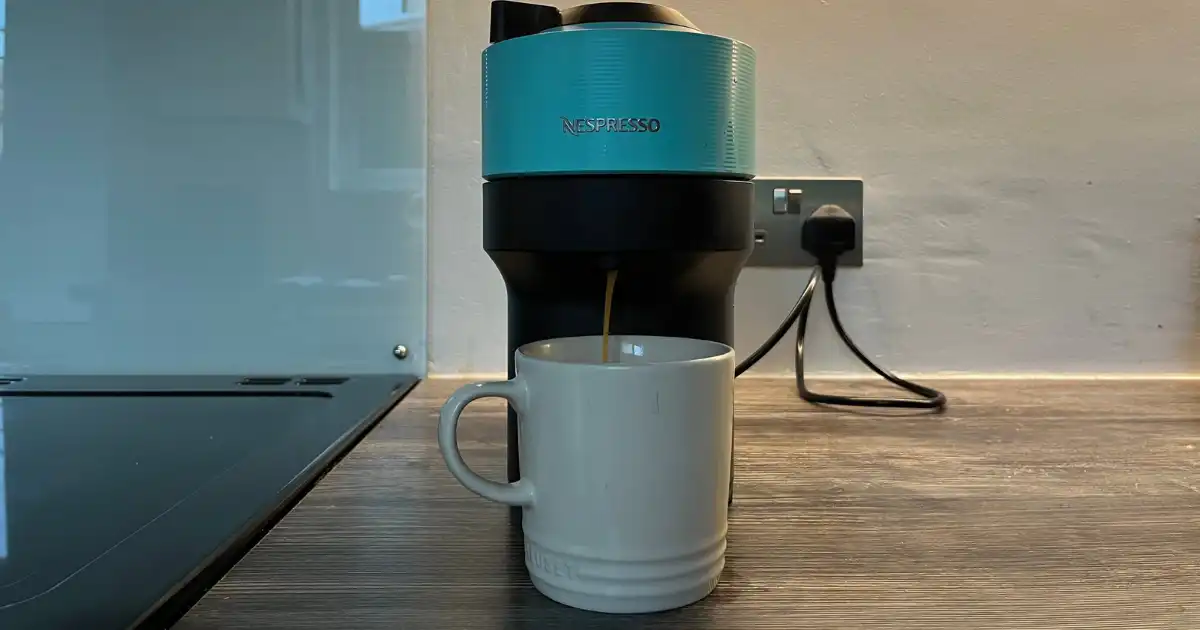
Nespresso Vertuo machines are designed to make coffee brewing almost effortless. You drop in a capsule, close the lid, press a button, and the machine does the rest. For many people, that simplicity is exactly the appeal. It feels like a foolproof way to get café style coffee at home.
Because of that, a lot of users assume the machine will always produce perfect coffee automatically. In reality, that is not always how it works. Small mistakes in daily use can easily affect the final cup.
I have seen people complain about weak coffee, bitter tasting brews, inconsistent cup sizes, or even confusing machine behavior. In most cases, the machine itself is not the problem. It is usually something small in the brewing routine.
Things like capsule choice, water quality, cleaning habits, or even skipping a quick rinse cycle can make a noticeable difference.
After using Vertuo machines for years and helping friends troubleshoot theirs, a few patterns show up again and again. These are the five most common brewing mistakes that quietly ruin Vertuo coffee, and how to avoid them.
How the Nespresso Vertuo Brewing System Works
Before talking about mistakes, it helps to understand how Vertuo machines actually brew coffee.
Unlike traditional espresso machines, Vertuo systems rely on capsule barcodes and centrifugal extraction. Every capsule has a barcode printed around its rim. When you insert the capsule and close the lid, the machine scans that barcode and automatically determines how much water to use, how fast to spin the capsule, and how long the brew should run.
This is why a Vertuo machine usually has only one button. The capsule itself tells the machine what to do.
The brewing process is also different from standard espresso machines. Instead of forcing water through coffee with pressure alone, the Vertuo spins the capsule at very high speed. This spinning motion pushes coffee outward while water flows through it. The result is a thick crema and a specific extraction profile designed for each drink size.
It is clever technology, but it also means the system relies heavily on clean sensors, intact capsules, and proper conditions. Because the process is so automated, even small issues can throw things off.
Dirty brewing chambers, damaged capsules, mineral buildup, or poor water quality can all affect how the machine reads and extracts coffee.
That is why simple habits matter more than many people expect.
Using the Wrong Capsule Type for Your Drink
One of the most common mistakes I see is people using the wrong capsule size for the drink they actually want.
Vertuo capsules are designed for specific brew sizes. Espresso capsules make small shots. Double espresso capsules brew slightly more. Gran Lungo capsules are larger, and mug capsules produce full cups of coffee.
What many people do is grab whatever capsule they have and try to adjust the drink manually. For example, someone might run an espresso capsule twice to make a larger cup.
Technically the machine will allow this, but the flavor usually suffers. The first extraction pulls the best flavors from the coffee. Running extra water through the capsule afterwards mostly extracts bitterness and weak leftover flavors.
The opposite mistake happens too. Some people stop a mug capsule halfway through because they only want a smaller drink. This can produce coffee that tastes overly concentrated or unbalanced.
The better approach is simple. Use the capsule size designed for the drink you want.
If you prefer a stronger mug, choose a darker roast capsule rather than shortening the brew. If you want more coffee, use a larger capsule rather than forcing extra water through a smaller one.
Vertuo capsules are designed with very specific extraction profiles. Letting the machine follow those profiles usually gives the best results.
Not Cleaning the Machine Regularly
Coffee machines collect residue faster than most people realize.
Every time a Vertuo capsule spins, tiny amounts of coffee oil and fine grounds spread around the brewing chamber. Over time those oils build up on internal surfaces.
At first it is barely noticeable. Then slowly the coffee starts tasting a little dull or slightly bitter. The crema might also look thinner or uneven.
I have opened machines that had not been cleaned in months, and the inside brewing area was coated with sticky coffee residue. At that point the machine can still work, but the flavor definitely suffers.
Cleaning does not have to be complicated. A simple routine works well.
About once a week, run a plain water rinse cycle without a capsule. Just fill the tank and start a brew cycle. This flushes old coffee oils out of the system.
Every few weeks, wipe the capsule holder and the area around the brewing head with a damp cloth. You would be surprised how much residue collects there.
Descaling is also important, but that depends more on water hardness. For most homes, doing it every few months keeps the machine running smoothly.
A clean brewing chamber makes a surprisingly big difference in flavor.
Using Poor Water Quality
Coffee is mostly water. That sounds obvious, but many people underestimate how much water quality affects the final taste.
If your tap water has strong chlorine flavor, heavy mineral content, or unusual taste, that will absolutely show up in your coffee.
In my experience, chlorine is the biggest culprit. It can give coffee a slightly chemical or flat flavor. Minerals can also affect extraction and lead to scale buildup inside the machine.
Scale buildup is another problem. Hard water leaves mineral deposits inside the heating system. Over time that reduces efficiency and can cause brewing issues or error lights.
The good news is you do not need expensive specialty water.
Filtered water usually works perfectly. A basic water filter pitcher can remove chlorine and improve taste dramatically. Some people prefer bottled spring water, which can also work well as long as it is not extremely high in minerals.
Distilled water is generally not recommended because the machine is designed to work with some mineral content.
If your coffee tastes off and you cannot figure out why, try brewing with filtered water for a few days. In many cases the difference is immediately noticeable.
Using Damaged or Improperly Stored Capsules
Vertuo capsules are surprisingly sensitive to damage.
Because the machine reads the barcode around the capsule rim, any dents or distortion can affect how the machine scans it. I have seen machines struggle to start brewing simply because the capsule rim was slightly crushed.
Capsules also need their shape to maintain the right pressure during brewing. If the aluminum rim is bent, the capsule may not seal properly inside the brewing chamber.
That can lead to weak extraction or messy brewing.
Storage habits also matter more than people think. Capsules stored loosely in drawers can easily get dented. Heat and humidity can also affect the freshness of the coffee inside.
I have seen people toss capsules into kitchen containers where other items press against them. Over time, some capsules end up slightly warped.
The best approach is simple. Keep capsules in their original box or in a storage container that protects them from pressure. Avoid stacking heavy items on top of them.
Before inserting a capsule, take a quick look at the rim. If it looks crushed or bent, it is better to grab another one.
It sounds like a small detail, but intact capsules help the Vertuo system work the way it was designed.
Skipping a Warm Up or First Rinse Cycle
This is a small habit that can noticeably improve coffee quality.
When a Vertuo machine sits unused for hours, the internal components cool down. The first brew of the day often has to heat everything up at the same time as it is brewing.
That can sometimes lead to slightly lower brewing temperature during the first cup. The result can be coffee that tastes a little weaker or less aromatic.
Many people notice their second cup of the day tastes better. There is a simple reason for that.
The machine is already fully warmed up.
A quick rinse cycle before brewing solves this. Just run a short water cycle without a capsule. It warms the internal system and flushes out any stale water that sat in the lines overnight.
It takes about thirty seconds and makes the brewing temperature more stable.
I started doing this regularly and the first cup in the morning became much more consistent.
It also keeps the machine cleaner, which is a nice bonus.
Quick Tips for Better Vertuo Coffee
A few small habits can improve Vertuo coffee surprisingly quickly.
First, always start with fresh water. Water sitting in the tank for days can develop a stale taste. Refill it regularly.
Preheating your cup also helps. Just rinse the mug with hot water before brewing. This keeps the coffee hot longer and preserves aroma.
Empty the used capsule container frequently. When it gets too full, capsules can interfere with the mechanism that ejects them.
Running occasional rinse cycles helps keep coffee oils from building up inside the machine.
Finally, store capsules in a cool, dry place where they will not get crushed.
None of these habits take much effort, but together they make brewing more consistent.
You Might Be Interested In
- Is Breville Nespresso The Same as Nespresso?
- How To Make Ristretto With Nespresso Essenza Mini?
- How Do You Make Cafe Bustelo Coffee?
- What Pods Are Compatible With Nespresso Essenza Mini?
- Can Nespresso Vertuo Use Normal Pods?
Conclusion
Nespresso Vertuo machines are designed to make coffee simple, but that does not mean every cup will automatically be perfect. Small user habits still play a big role in how the coffee tastes. Things like capsule choice, water quality, cleaning routines, and proper storage can easily influence the final result.
Avoiding these five common mistakes usually leads to noticeably better coffee. The flavor becomes clearer, the crema improves, and brewing becomes more consistent from cup to cup. With a few simple adjustments, a Vertuo machine can deliver excellent coffee day after day.