


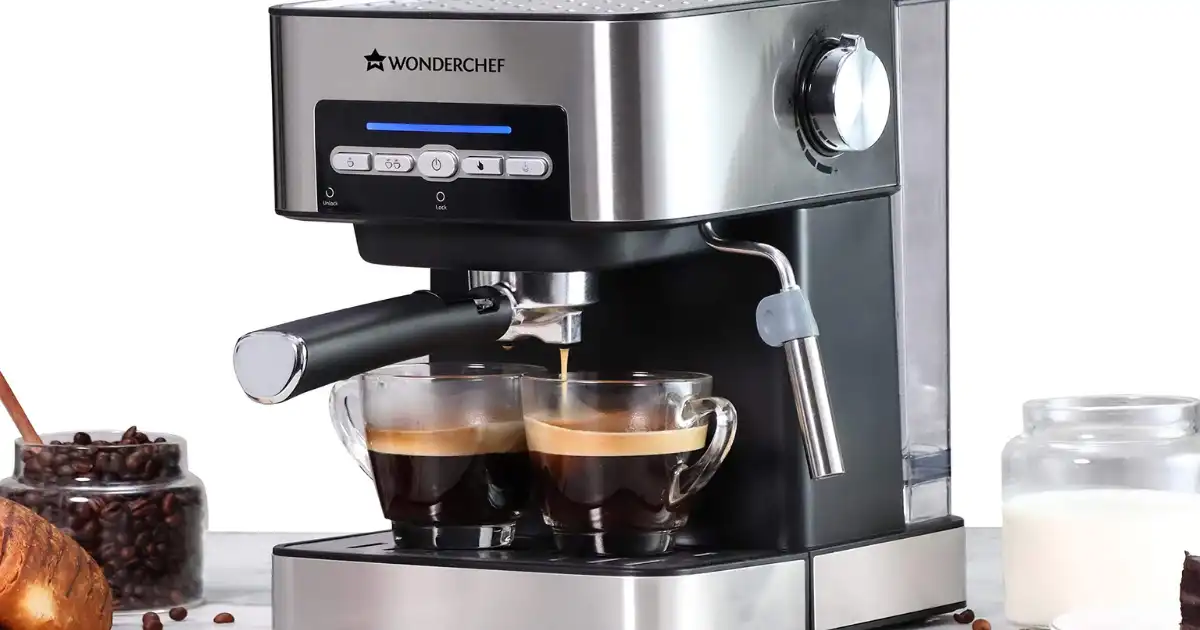
If you’re like me, you’ve spent more mornings obsessing over coffee than most people spend deciding what to eat for lunch. Coffee is more than just a caffeine fix it’s a ritual, a comfort, and for many, the single most important part of starting the day right. What Is The Healthiest Coffee Maker To Use?
But here’s the kicker: the coffee maker you choose doesn’t just influence taste; it can subtly affect your health. Yes, I’m talking about materials leaching chemicals, heat-triggered toxins, and the accumulation of grime in places you can’t see.
When most people think about a “healthy coffee maker,” they picture shiny machines, maybe something labeled “BPA-free,” and assume that’s enough. In my years of working with every type of brewer from high-end commercial machines to the humble French press I’ve seen the real picture. A coffee maker’s health factor isn’t just about avoiding plastic; it’s about the combination of materials, heat, water quality, and how the machine is used. Understanding that takes a little curiosity and a lot of hands-on observation.
What Makes a Coffee Maker Healthy
In practical terms, a healthy coffee maker is one that doesn’t introduce toxins, is easy to clean, and preserves the natural qualities of coffee. That sounds simple, but most people get tripped up by subtle issues. For instance, a cheap drip machine might look fine, but if it has low-quality plastic parts constantly in contact with hot water, tiny amounts of chemicals can leach into your cup. Over time, this adds up.
Another big mistake I see is ignoring cleaning and maintenance. Even the “safest” coffee maker can turn into a bacteria playground if neglected. Oils from coffee, combined with hard water minerals, can create a biofilm inside the reservoir, tubing, and shower heads. Not exactly what most people consider healthy. A truly healthy coffee maker is a combination of safe materials, proper brewing temperatures, and ease of maintenance. If it’s a pain to clean, your health advantage disappears.
Materials That Make Coffee Makers Safer
Glass
Glass is hands-down my favorite for health. It’s inert, won’t leach chemicals, and doesn’t retain flavors from past brews. When I use a glass French press or pour-over, the coffee tastes clean, and I don’t worry about chemicals. The downside? Glass breaks easily, and some lower-quality glass can discolor over time if you’re brewing dark roasts frequently. Still, for home use, it’s a solid choice.
Stainless Steel
Stainless steel is tough, durable, and in my experience, surprisingly neutral in taste. High-grade stainless like 304 or 316 is nearly as inert as glass, but you get the benefit of shatter-proof construction. Where it can fail is in thin or low-quality alloys that react slightly with acidic coffee rare, but I’ve seen it happen in bargain-brand moka pots. On the plus side, stainless is forgiving with cleaning and lasts decades.
Ceramic
Ceramic sits somewhere between glass and stainless. It’s inert, resists scratching, and retains heat well. The drawback is fragility, especially with larger coffee makers or heavy pour-over setups. Personally, I love ceramic drippers and carafes because they feel premium and don’t interfere with flavor. Make sure the glaze is high quality; cheap ceramic glazes sometimes contain lead or cadmium look for food-safe certification.
Plastics to Avoid
Not all plastics are created equal, and in real-world use, they’re the trickiest. Hot water accelerates chemical leaching, so plastics in contact with brewing water are the main concern. Low-quality plastics can contain BPA, phthalates, or PFAS, which can migrate into your coffee. My rule: if it’s cheap and plastic touches hot water or steam, avoid it. If the plastic is purely external or labeled BPA-free, it’s generally safe but don’t assume “BPA-free” covers every chemical.
Types of the Healthiest Coffee Makers
Pour-Over
Pour-over brewing, whether it’s a Chemex or a ceramic dripper, is simple, transparent, and health-friendly. There’s minimal contact with plastics, and if you use paper filters, you also reduce oils and sediment in your cup. I’ve been making pour-over daily for years, and it’s hard to beat for flavor clarity. The main consideration is cleaning: residues in the dripper can become funky if neglected.
French Press
French presses give you body and oils in coffee, but the material matters. A stainless steel or glass press is ideal; cheap plastic versions can impart taste and potentially chemicals. I’ve also seen people leave coffee in a French press all day, which creates bitter compounds and can harbor bacteria. My tip: brew, pour, and clean immediately.
Moka Pot
Moka pots are metal, usually aluminum or stainless steel. Aluminum can react with acidic coffee if it’s not anodized, giving a slightly metallic taste, but stainless steel models avoid that. I like stainless Moka pots for strong, espresso-style coffee that’s safe and durable. The learning curve is a little steeper water levels and grind size matter but the health trade-off is minimal with proper care.
Cold Brew
Cold brew is surprisingly healthy-friendly because it uses room-temperature water, which reduces chemical extraction from plastics. Stainless steel or glass containers are ideal. It also produces lower acidity coffee, which can be gentler on digestion. The downside: it takes 12–24 hours to brew, and if your container isn’t cleaned thoroughly, bacteria can build up quickly.
Stainless Steel Drip
Stainless steel drip machines are robust and often last decades. They combine convenience with safety if you avoid low-quality plastic water reservoirs or tubing. In my experience, they produce consistently good coffee with minimal chemical risk. Cleaning is straightforward, and they tolerate hard water better than glass-only machines.
Is Plastic in Coffee Makers Actually Dangerous?
Here’s where real-world experience matters: yes, plastic can be a risk, but context matters. BPA, PFAS, and other compounds can leach into hot water, but the amount depends on temperature, duration, and the specific plastic. In a quick pour-over, you’re almost never in danger. In a cheap drip machine that heats plastic daily, the risk is higher.
BPA-free labeling is helpful, but it doesn’t cover all chemicals. Some plastics replace BPA with alternatives that may still leach under heat. My rule of thumb: if a plastic component touches hot water regularly, I avoid it. External panels, handles, or hoppers are fine but the water path should be glass, ceramic, or stainless.
Glass vs Stainless Steel vs Plastic Coffee Makers
Glass coffee makers give you the purest taste, show you when they’re dirty, but break easily. Stainless steel is the workhorse: durable, nearly inert, and retains heat well. It’s slightly heavier and sometimes harder to see inside for cleaning. Plastic is the wildcard: cheap, easy to mold into fancy shapes, but potentially leaches chemicals if in contact with hot water. I’ve used all three, and in practice, glass and stainless steel offer the best balance of health, durability, and taste.
The Healthiest Coffee Makers Overall
From hands-on experience, the healthiest coffee makers are simple, minimal, and made from inert materials. A Chemex, a high-quality glass or stainless steel French press, a stainless steel Moka pot, or a glass cold brew setup all fit this description. Why? They minimize chemical exposure, are easy to clean, and let you brew at safe temperatures without mystery plastics or coatings.
It’s not just about the machine, though. How you use it matters: clean it regularly, don’t let coffee sit for hours, and avoid high-heat plastic parts. Machines that combine these factors consistently produce safe, tasty coffee.
How to Choose a Healthy Coffee Maker
When shopping, look for material integrity first: glass, ceramic, or stainless steel where water contacts the coffee. Check if any plastics are in the water path. Next, consider cleaning: can you reach every corner easily? Does the design trap oils or residues? Finally, consider longevity cheap machines might leach more over time, and replacements increase waste and cost.
Red flags to watch: water reservoirs made entirely of low-grade plastic, complex parts that are impossible to disassemble, and any product with vague labeling about “BPA-free” without certification. If it’s tough to clean, or you can’t verify materials, it’s better to pass.
Common Mistakes People Make When Buying Coffee Makers
People often buy based on convenience or aesthetics, not health. I’ve seen $300 machines that look sleek but are mostly plastic inside. They brew okay coffee, but every sip comes with trace chemicals over time. Another mistake is assuming “automatic cleaning cycles” replace manual maintenance. They don’t. Machines with nooks, filters, and hoses need hands-on cleaning.
A final mistake is ignoring water quality. Even the best glass coffee maker will brew bitter, mineral-laden coffee if your tap water is hard or contaminated. I always recommend pairing your machine with either filtered water or knowing your local water chemistry. Health isn’t just material it’s the whole process.
You Might Be Interested In
- Does Vertuoplus Froth Milk?
- Does Nespresso Essenza Mini Espresso Maker Make Just Hot Water?
- Top 5 Nespresso Vertuo Troubleshooting Fixes
- Does Nespresso Have Milk In It?
- Can You Make Regular Coffee With Nespresso Vertuoplus?
Conclusion
If you want the healthiest coffee maker, aim for simplicity, inert materials, and practical design. Glass and stainless steel win in most cases; ceramic is a solid runner-up for style and heat retention. Avoid plastics in contact with hot water. Clean your machine regularly and don’t let coffee sit around all day.
At the end of the day, the healthiest coffee maker is one you use properly. Even a simple pour-over trumps a fancy, plastic-laden automatic machine if you take care of it. Health, taste, and longevity all come down to choices that feel obvious once you’ve seen them in action. Brew smart, clean well, and enjoy every sip without worrying about what’s in your cup.
FAQs
Which coffee maker is healthiest for daily use?
For daily use, the healthiest coffee makers are those made from inert materials that minimize chemical exposure while being easy to clean. Glass pour-over setups, stainless steel French presses, and stainless steel drip machines consistently check these boxes. From hands-on experience, machines that leave coffee sitting in plastic reservoirs or rely heavily on cheap plastics tend to accumulate oils and micro-chemicals over time, which can affect both taste and health.
Daily use also demands convenience, so your coffee maker should be easy to maintain. I’ve seen people switch from a fancy automatic machine to a simple glass Chemex or stainless steel French press, and their coffee not only tasted cleaner, but they spent less time battling residue and plastic smells. In practice, combining safe materials with regular cleaning makes your daily brew as healthy as it can be.
Is stainless steel better than glass for health?
Both stainless steel and glass are excellent options when it comes to health, but they each have practical trade-offs. Glass is inert and transparent, which makes it easy to see when your coffee maker needs cleaning. It won’t alter taste and is generally safe for acidic or dark roasts. Stainless steel, on the other hand, is extremely durable, shatterproof, and retains heat well, making it ideal for heavy daily use or travel. I’ve used stainless steel machines for years without any flavor issues, provided the steel is high-grade like 304 or 316.
In real-world terms, the choice often comes down to lifestyle. If you value visual cleanliness and don’t mind being gentle with your coffee maker, glass is perfect. If you need a machine that can withstand bumps, knocks, and frequent use without breaking, stainless steel is the better option. Both maintain health safety if you avoid plastic in contact with hot water.
Are plastic coffee makers safe if labeled BPA-free?
BPA-free plastics are an improvement over older plastics, but they’re not a guarantee of total safety. Many BPA-free alternatives still contain other chemicals like phthalates or PFAS, which can leach into hot water over time. The temperature and duration of exposure matter a lot plastic hoppers, reservoirs, or tubes that are constantly heated are the biggest risk factors. I’ve seen small traces of taste transfer in cheap plastic parts, and while not immediately harmful, prolonged daily exposure is something I prefer to avoid.
Plastic can be fine if it doesn’t touch hot water directly. Handles, outer casings, or external panels are usually safe. In my experience, the healthiest approach is to limit hot water contact to glass, stainless steel, or ceramic whenever possible. That way, even BPA-free plastic is only structural, not part of the brewing path.
Does the type of coffee maker affect coffee health?
Absolutely. The brewing method, heat level, and contact time with materials all impact coffee health in practical terms. Machines that leave coffee sitting on a hot plate for hours can cause oils to oxidize and small chemical residues to build up. Pour-over, French press, and cold brew setups give you more control over water temperature and brewing time, reducing these risks. I’ve noticed that cold brew, in particular, is gentler on the stomach and doesn’t extract as many unwanted compounds because it uses room-temperature water.
The type of coffee maker also influences cleaning habits. A machine with lots of hidden tubes or plastic reservoirs may harbor bacteria or mineral buildup if neglected. In contrast, simple glass or stainless steel designs are easier to inspect and clean, so they not only preserve flavor but also minimize health risks. In practice, the right type of coffee maker can be as important for health as the materials it’s made from.
Can cheap coffee makers be harmful?
Yes, cheap coffee makers can pose a higher risk than mid- or high-end models, especially in terms of materials and design. Many budget machines use thin plastics, low-grade metals, and complex internal structures that are hard to clean. Over time, those plastics can leach chemicals, and hidden nooks can accumulate mold, mineral deposits, or rancid coffee oils. I’ve tested inexpensive drip machines that tasted off within a few months because of these issues, even if they looked fine on the outside.
That said, “cheap” doesn’t always mean harmful. A simple, well-made glass pour-over or stainless steel French press can be both inexpensive and healthy. The key is to focus on materials, ease of cleaning, and durability rather than price alone. In my experience, spending a little more on a machine made from inert materials and simple design pays off in both safety and long-term taste.