


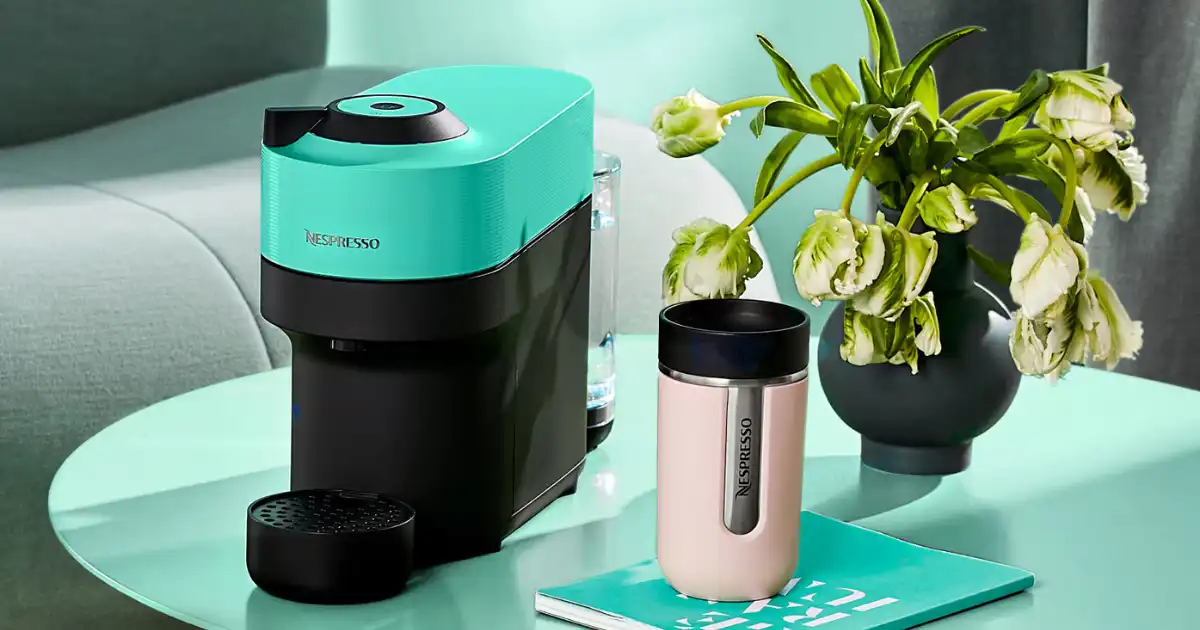
A Nespresso Vertuo machine is one of those appliances that quietly becomes part of your daily routine. Press a button, get good coffee, move on with your day. The problem is that coffee machines slowly get dirty in ways most people do not notice. 5 Quick Nespresso Vertuo Cleaning Tricks
Coffee oils build up inside the brew head and capsule area. Mineral deposits from water slowly collect inside the heating system. Neither of these problems shows up overnight, but over time they absolutely affect taste.
In my experience, people assume something is wrong with their capsules when coffee starts tasting flat or bitter. Most of the time the real issue is simple buildup inside the machine.
The good news is that you do not need long cleaning sessions. A few quick habits can keep a Vertuo machine running smoothly and producing better tasting coffee for years.
Run a Quick Water Rinse Cycle
The rinse cycle is probably the most underused feature on Vertuo machines. Many owners never run it unless the machine forces them to.
In reality, this simple cycle is one of the easiest ways to keep the brewing system clean. When you run a rinse cycle, the machine pumps hot water through the internal brewing chamber and spout. That water helps flush out leftover coffee oils and fine coffee particles.
Coffee oils are sticky. After several capsules they start coating internal surfaces. This is normal, but if the oils sit there for weeks they can start affecting flavor.
What I usually recommend is running a rinse cycle every few days if you use the machine daily. It takes a few minutes and requires no special effort.
I personally run one after making several strong espresso capsules in a row. Those darker roasts tend to leave more residue.
You do not need to overdo it. But a quick rinse now and then keeps the internal parts fresher than most people realize.
Wipe the Brew Head and Capsule Area
If there is one spot where dirt builds up fastest, it is the capsule area under the brew head.
When the machine spins a capsule during extraction, tiny droplets of coffee spray around the chamber. Over time that leaves a thin layer of coffee oils and residue.
It does not look dramatic at first. But after a few weeks you can see sticky spots and dark stains around the capsule holder and inside the top lid.
This residue can interfere with how capsules sit in the machine. When that happens, extraction can become uneven. Sometimes coffee comes out weaker. Sometimes it tastes harsher.
Cleaning this area takes about thirty seconds.
Open the lid and take a slightly damp cloth or paper towel. Gently wipe the capsule holder, the surrounding plastic, and the underside of the brew head. Do not scrub aggressively. Just remove visible residue.
I have seen machines where this area was never cleaned for months. Eventually coffee splashes start hardening and smell slightly stale.
A quick wipe every few days prevents that completely.
Wash the Drip Tray and Capsule Container
These two parts collect more mess than people expect.
The drip tray catches leftover coffee, condensation, and occasional spills. The capsule container collects used pods that are still wet when they drop down.
That combination of moisture and coffee residue creates the perfect environment for unpleasant smells.
In my experience this is actually the first place people notice something wrong with their machine. They open the capsule container and suddenly smell sour coffee.
The solution is simple.
Once a week, remove the drip tray and the capsule container and rinse them with warm water. If there is sticky buildup, a small amount of dish soap works fine.
Make sure both parts dry before putting them back.
One small trick I use is placing a folded paper towel at the bottom of the capsule container. It absorbs extra moisture from used capsules and helps prevent that stale smell.
It is a tiny habit, but it works surprisingly well.
Rinse the Water Tank Weekly
Most people refill the water tank without ever rinsing it. That seems harmless, but over time it can affect both taste and machine health.
Water that sits in the tank for days can become slightly stale. This is especially true in warm kitchens.
Minerals from tap water also slowly accumulate along the tank walls. You may notice a cloudy film or small white spots after a while.
Once a week I like to empty the tank completely, give it a quick rinse with fresh water, and wipe the inside if needed. It takes less than a minute.
This simple habit keeps the water supply cleaner and reduces mineral deposits entering the machine.
It also prevents the subtle stale taste that sometimes appears when water sits too long.
Fresh water really does make better coffee.
Descale the Machine Every Few Months
Descaling is the one maintenance step many people postpone. I understand why. It takes longer than wiping parts or rinsing a tank.
But it is also the most important cleaning process for long term performance.
Inside the Vertuo machine, water is heated to brew coffee. When water heats up, minerals such as calcium separate and stick to internal metal surfaces. This buildup is called limescale.
At first it forms a thin layer that you cannot see. Over time that layer becomes thicker and begins affecting how efficiently the heating system works.
When that happens you may notice slower brewing, weaker coffee, or inconsistent temperatures.
In severe cases the pump has to work harder to push water through the system.
A proper descaling solution dissolves those mineral deposits safely. The process usually takes around twenty minutes depending on the model.
Most Vertuo machines signal when descaling is needed, but I usually recommend doing it every three to four months if you use the machine daily.
People delay descaling because the machine still works. But cleaning it before problems appear keeps everything running smoothly for years.
It is preventive maintenance that actually matters.
A Simple Vertuo Cleaning Routine
Cleaning a Vertuo machine does not need to become a chore.
In daily use, simply empty the used capsule container and occasionally wipe the capsule area if you see residue. Running a quick rinse cycle every few days also helps flush coffee oils out of the system.
Once a week, rinse the water tank and wash the drip tray and capsule container with warm water. This prevents odors and removes sticky buildup.
Every three to four months, run a proper descaling cycle using the recommended solution.
These small habits take very little time, but together they keep the machine clean, reliable, and producing consistently good coffee.
Cleaning Mistakes to Avoid
One common mistake is using vinegar instead of proper descaling solution. Vinegar can leave a strong smell and may not dissolve mineral buildup effectively.
Another problem I see often is ignoring the capsule area. Coffee oils accumulate quickly there, and when they harden they can affect extraction.
Some people also forget to clean the water tank because it always looks clear. Even so, stale water and minerals can affect taste over time.
Finally, avoid using harsh scrubbers or abrasive sponges on plastic parts. They scratch surfaces and create tiny grooves where residue builds up even faster.
You Might Be Interested In
- Is The Nespresso Vertuo Deluxe Worth It?
- Can I use Starbucks pods in Nespresso Vertuo Plus?
- Which Coffee Machine Does Starbucks Use?
- How Much Pressure Does The Nespresso Essenza Mini Use?
- Best 7 Nespresso Vertuo Travel Mugs On-the-go
Conclusion
A Vertuo machine does not need complicated maintenance. Most of the time it just needs small, consistent cleaning habits that take less than a few minutes. When you remove coffee oils, rinse fresh water, and descale regularly, the machine performs the way it was designed to.
In my experience the difference shows up directly in the cup. Coffee tastes cleaner, extraction stays consistent, and the machine runs more smoothly for years. A few quick cleaning tricks can quietly extend the life of your machine and improve every cup you brew.
FAQs about 5 Quick Nespresso Vertuo Cleaning Tricks
How often should you clean a Nespresso Vertuo machine?
In everyday use, a Vertuo machine benefits from small, frequent cleaning habits rather than occasional deep cleaning. If you make coffee daily, it helps to empty the used capsule container regularly and wipe the capsule area when you notice coffee splashes or residue. Running a quick rinse cycle every few days is also useful because it flushes hot water through the brewing chamber and removes leftover coffee oils before they start building up.
A slightly deeper cleaning routine should happen about once a week. This usually means rinsing the water tank and washing the drip tray and capsule container with warm water to prevent odors and sticky buildup. Descaling is less frequent but very important for long term performance. Most Vertuo machines should be descaled every three to four months if used regularly, though homes with hard water may need to do it a little sooner.
Can you clean a Nespresso Vertuo with vinegar?
Vinegar is sometimes suggested as a natural cleaning solution for coffee machines, but it is generally not recommended for Nespresso Vertuo models. While vinegar can dissolve some mineral deposits, it has a strong smell and taste that can linger inside the machine even after several rinse cycles. That lingering odor can easily affect the flavor of your coffee, which defeats the purpose of cleaning the machine in the first place.
Another issue is that vinegar is not specifically designed for coffee machine descaling. Proper descaling solutions are made to dissolve limescale effectively while being safe for the internal components of the machine. In practical terms, a dedicated descaling solution usually works faster, removes mineral buildup more thoroughly, and rinses out cleanly without leaving behind any unwanted flavors.
What happens if you don’t descale your Vertuo machine?
When a Vertuo machine is used regularly, minerals from tap water slowly build up inside the internal heating system and narrow water channels. This buildup is called limescale, and it forms every time water is heated. At first the deposits are thin and invisible, so most people do not notice anything wrong with the machine.
Over time, however, those mineral layers become thicker and begin to interfere with how the machine operates. Water may heat less efficiently, brewing may take longer, and coffee can start tasting weaker or inconsistent. In more serious cases the pump has to work harder to push water through the scaled pathways. Regular descaling removes these deposits and keeps the internal system working properly.
How long does the Vertuo cleaning cycle take?
The basic rinse cycle on most Vertuo machines is fairly quick and usually takes only a few minutes. During this cycle the machine pumps hot water through the brewing chamber and coffee outlet to flush away leftover coffee oils and small coffee particles that remain after brewing capsules.
A full descaling process takes longer because it includes multiple stages. First, the machine runs the descaling solution through the internal system to break down mineral deposits. After that, a second cycle with clean water rinses everything out. Depending on the model, the entire process typically takes around twenty minutes from start to finish.
Why does my Vertuo coffee taste bitter even after cleaning?
If coffee still tastes bitter after cleaning the machine, the cause is not always residue or buildup. Some Vertuo capsules, especially darker roasts, naturally produce a stronger and more bitter flavor profile. In those cases the taste comes from the coffee itself rather than a cleaning issue with the machine.
However, bitterness can also appear if small cleaning steps were missed. Old water sitting in the tank for several days can slightly affect flavor, and coffee oils around the brew head or capsule holder may still be present if that area was not wiped thoroughly. Running a rinse cycle, using fresh water in the tank, and quickly wiping the capsule area usually helps restore a cleaner and smoother coffee taste.