


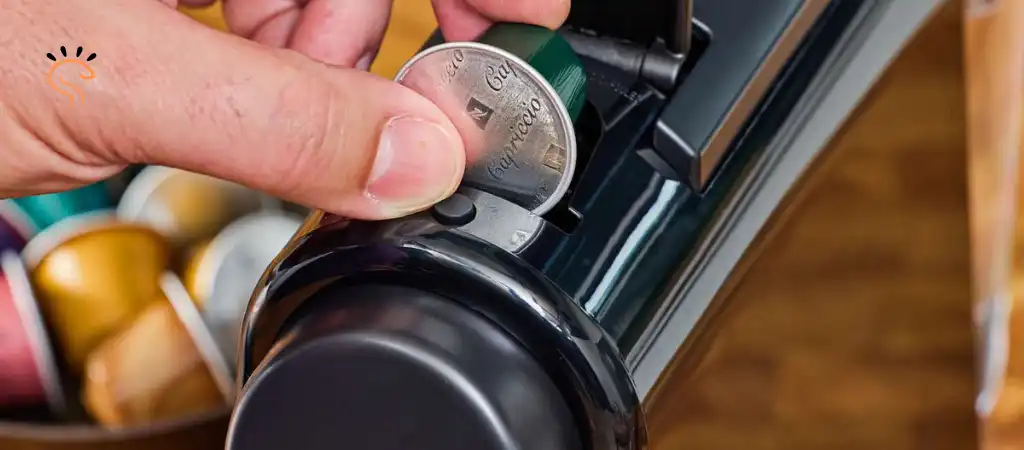
If you use a Nespresso machine every day, descaling is one of those maintenance tasks you simply cannot ignore for long. I have seen a lot of people treat their coffee machines like appliances that should run forever without attention. That works for a while, then suddenly the coffee tastes weak, the machine gets noisy, or the water flow slows to a miserable drip.
Descaling fixes that. It removes mineral buildup that forms inside the machine from regular tap water. Over time those minerals coat the heating element and internal tubes. When that happens, the machine struggles to heat water properly and extraction suffers. How Do I Descale My Nespresso Essenza Coffee Machine?
Both the Nespresso Essenza Mini and the Nespresso Essenza Plus are compact machines with small internal systems, which means scale buildup can affect them faster than larger machines.
In most homes, descaling every three months works well. If your water is hard or you drink several coffees per day, you may need to do it more often. The good news is the process is simple once you understand it. After doing it a few times, it becomes a quick routine rather than a chore.
Let me walk you through what actually happens inside the machine and how to descale it properly without damaging anything.
What Is Descaling and Why Your Nespresso Essenza Needs It
Descaling removes mineral deposits left behind by water. These minerals mainly come from calcium and magnesium that exist naturally in tap water.
When water heats inside your machine, those minerals separate and stick to the metal heating components and internal pipes. Over time they form a hard crust called limescale.
First, it insulates the heating element. The machine must work harder to heat water, which slows brewing and wastes energy.
Second, scale narrows the water pathways. That reduces pressure and flow. Espresso extraction depends on pressure, so scale can make coffee taste thin, sour, or inconsistent.
Third, the machine becomes noisier. Pumps struggle when water flow is restricted. People often confuse cleaning with descaling. They are not the same thing.
Cleaning removes coffee residue from external parts like the drip tray, capsule holder, and spout. Descaling removes mineral buildup inside the machine where you cannot see it.
I have opened older machines that were never descaled. The internal pipes looked like they were lined with chalk. At that point, performance drops dramatically and sometimes the machine cannot be saved. Descaling prevents that situation and keeps your coffee tasting the way it should.
How Often Should You Descale
Most people should descale their Essenza every three months or after roughly 300 capsules. That recommendation works for average household use with moderately hard water.
If your tap water is very hard, mineral buildup forms faster. In those homes I usually recommend descaling every two months.
Heavy coffee drinkers should also descale more frequently. If your machine pulls five or six shots per day, scale builds up quickly.
There are also warning signs.
- Coffee starts tasting flat.
- Water flow slows down.
- The pump sounds louder than usual.
- The machine takes longer to heat.
When you notice these changes, it is usually time to descale even if you have not reached the usual schedule yet.
What You Need Before Descaling
Before starting, gather everything so the process runs smoothly.
You will need:
- Nespresso Descaling Kit
- Fresh water
- A container that holds at least one liter
- Access to the water tank
- An empty capsule container
- A sink nearby
The descaling solution is important. It is designed to dissolve mineral deposits without damaging seals, aluminum parts, or internal tubing.
A lot of people ask if vinegar works. Technically it dissolves scale, but I strongly advise against using it.
Vinegar is acidic in a way that can degrade rubber seals over time. It also leaves a stubborn smell that is surprisingly difficult to flush out of coffee machines. I have seen machines where every espresso tasted faintly like salad dressing for weeks afterward.
Using the proper descaling solution avoids that headache.
Step-by-Step Descaling Guide
The descaling process is straightforward once you understand the sequence.
Start by turning the machine on and letting it heat up completely.
Remove any capsule from the machine and empty the capsule container. Place your large container under the coffee outlet.
Next, fill the water tank with about half a liter of fresh water. Add the descaling solution and gently mix it.
Now you need to activate descaling mode.
On the Nespresso Essenza Mini, press and hold both coffee buttons for about five seconds. The lights will begin blinking. That tells you the machine is ready for the descaling cycle.
On the Nespresso Essenza Plus, the process is similar but uses its control buttons. Holding the appropriate combination of buttons triggers the descaling mode.
Once the machine enters descaling mode, press the lungo button to start the flow.
The machine will pump the solution through its internal system. This dissolves the limescale coating inside the heating element and tubes.
Allow the entire tank to run through into your container.
When the tank is empty, stop the machine and pour the collected liquid back into the water tank. Running the solution through twice improves scale removal.
After the second pass, rinse the water tank thoroughly. Fill it with clean water only.
Run two full tanks of clean water through the machine to flush any remaining descaling solution. This step is important. Skipping it can leave a sour taste in your coffee.
Finally, exit descaling mode by pressing the buttons again according to the machine instructions. The lights will return to normal.
Your machine is now ready to brew again.
How to Clean Between Descaling Cycles
Descaling keeps the internal system healthy, but regular cleaning keeps everything else working smoothly.
Once a week, remove the drip tray and capsule container. Rinse them with warm water and mild dish soap. Coffee oils accumulate there surprisingly fast.
Wipe the coffee outlet with a damp cloth. Tiny coffee splashes can dry there and eventually clog the spout.
I also recommend running a blank brewing cycle without a capsule every few days. This flushes leftover coffee oils from the brewing chamber.
Once a month, clean the water tank with warm water and let it dry completely before reinstalling it.
These simple habits prevent buildup that could affect taste or hygiene between descaling cycles.
Common Descaling Mistakes to Avoid
One mistake I see often is skipping the rinse cycle. People assume one quick flush is enough. It is not. Descaling solution must be fully removed or it will affect coffee flavor.
Another common mistake is using vinegar or random household acids. These may damage internal components and often leave strong odors.
Some people also forget to remove the capsule before starting the descaling cycle. If a used capsule stays inside, it can block proper flow and interfere with the process.
Another issue is stopping the cycle halfway through. Descaling works best when the full solution runs through the system. Interrupting it reduces effectiveness.
Finally, people sometimes ignore the machine after descaling mode starts blinking. That blinking is not an error. It simply indicates the machine is waiting for the next step.
Following the proper sequence avoids these problems.
Troubleshooting Descaling Problems
Sometimes the process does not go smoothly. I have helped people troubleshoot a few recurring issues.
One common problem is the machine getting stuck in descaling mode. Usually this happens because the final rinse cycle was not completed. Running one or two additional tanks of clean water often resolves it.
Blinking lights are another frequent concern. On Essenza machines, blinking usually means the machine is waiting for the next command rather than indicating a malfunction.
If the machine stops pumping water, check the water tank position first. The tank must sit correctly or the pump cannot draw water.
Air bubbles can also cause temporary pumping issues. Running several rinse cycles usually clears trapped air from the internal lines.
In rare cases, severe scale buildup can block internal pipes. When that happens, repeating the descaling cycle once more often helps.
If the pump sounds loud but no water flows after multiple attempts, professional servicing may be needed. Luckily that situation is uncommon when descaling is done regularly.
Tips to Reduce Limescale Buildup
Preventing scale is easier than removing it later.
Using filtered water is the most effective step. A simple water filter pitcher can significantly reduce mineral content.
I also recommend running a quick rinse cycle after brewing several coffees. This flushes leftover minerals before they settle.
Empty the capsule container regularly. Moist capsules can encourage residue buildup inside the machine area.
Finally, do not leave water sitting in the tank for long periods. Fresh water reduces mineral concentration and keeps the machine cleaner.
These small habits slow scale buildup and make descaling less frequent.
You Might Be Interested In
- Does Nespresso Vertuo Plus Make Cold Coffee?
- Is The Vertuoplus Better Than The Next?
- Best 7 Nespresso Vertuo Travel Mugs On-the-go
- Can You Make Regular Coffee With Nespresso Vertuoplus?
- How To Make Cappuccino With Nespresso Essenza Mini?
Conclusion
Descaling a Nespresso machine is not complicated, but it is essential if you want it to perform properly. Mineral buildup happens slowly and quietly, and many people only notice it once their coffee starts tasting dull or the machine begins struggling to pump water.
In my experience, people who descale regularly rarely run into serious machine problems. The process takes maybe twenty minutes every few months, and it can extend the life of the machine by years.
Machines like the Nespresso Essenza Mini and the Nespresso Essenza Plus are built to be simple and reliable. But like any coffee equipment, they work best when you give them a little attention.
Treat descaling like changing oil in a car. Ignore it long enough and things eventually break. Stay consistent with it, and your machine will keep delivering great espresso every morning without complaints.