


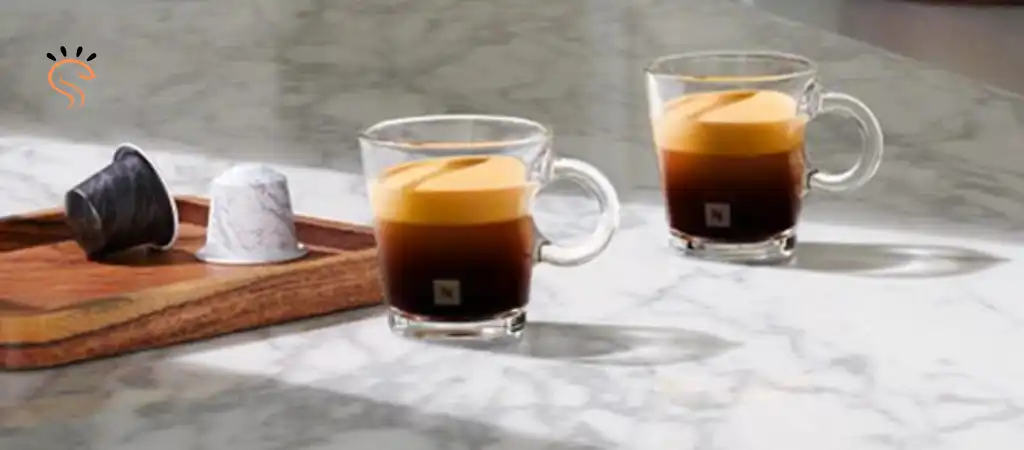
If you’ve ever pulled a Nespresso shot and thought, “Hmm, this is… warm,” you’re not alone. Many people expect that piping-hot espresso café style, but Nespresso coffee can sometimes feel lukewarm straight from the machine. How Do I Make My Nespresso Coffee Hotter?
The reasons aren’t mysterious they’re a mix of machine design, brewing physics, and everyday habits. Luckily, getting a hotter cup doesn’t require hacks or high-tech gadgets. From preheating your cup to tweaking how you brew, there are practical, hands-on methods to take your Nespresso coffee from “meh” to perfectly hot.
I’ve spent years experimenting with these machines, and over time I’ve learned what actually works and what’s mostly myth. If you’re ready to stop settling for lukewarm espresso, here’s a real-world guide that will get your coffee steaming in no time.
Why Nespresso Coffee Isn’t Extremely Hot
Nespresso machines are designed to hit a consistent brew temperature, usually around 83–86°C for OriginalLine and slightly higher for Vertuo. That’s a bit cooler than traditional café espresso, which often brews closer to 90–96°C. The slightly lower temperature helps avoid over-extraction, which can make coffee taste bitter. So even if your coffee feels warm but not scalding, it’s actually within normal operating range.
Another factor is the cup itself. Thin glass or ceramic cups lose heat quickly, so by the time you bring it to your lips, the coffee already cooled a few degrees. Milk also plays a role: adding cold milk drops the overall temperature significantly. I’ve seen many people complain their Nespresso coffee is “not hot enough” when in reality the cup, room temperature, or milk addition is to blame.
Lastly, different Nespresso capsules influence heat retention. Darker roasts extract slightly slower, and if your cup is cold, even a hot shot feels lukewarm. Espresso is meant to be sipped immediately; leaving it sitting on a counter will always let it cool. Understanding these factors helps us target practical ways to actually make it hotter.
Simple Ways to Make Your Nespresso Coffee Hotter
Preheat Your Coffee Cup
One of the simplest hacks is also the most effective. Pour hot water into your mug while you get the machine ready, let it sit for 30–60 seconds, then dump the water and brew directly into the warm cup. This prevents your coffee from losing heat instantly to a cold surface. In my experience, preheating can add 5–10°C to the final cup temperature, making a noticeable difference.
Run a Blank Shot Before Brewing
Nespresso machines heat water on demand, but the first shot of the day might start slightly cooler if the internal boiler isn’t warmed up. Running a blank shot simply run water without a capsule preheats the system. After a quick flush, your next shot will be hotter and more consistent. I always do this when the machine hasn’t been used for a while, especially in the morning.
Heat Your Milk Before Adding It
If you’re making a cappuccino or latte, adding cold milk can drop your coffee temperature by 10–15°C instantly. Using a tiny milk frother, steamer, or even warming milk on the stove before mixing ensures the final drink stays hotter longer. This is a step many people skip, but it has a huge effect on overall drink temperature.
Use a Thicker Cup or Ceramic Mug
Thin glasses or mugs let heat escape quickly. Using a thicker ceramic mug helps maintain the coffee temperature for longer. I personally noticed my OriginalLine shots stay drinkable twice as long when I switched from a thin espresso cup to a heavier mug. It’s a simple swap that makes a big difference.
Use an Insulated Mug
If you’re taking your coffee to go, insulated mugs are a game changer. Stainless steel or double-wall insulated cups trap heat effectively, keeping Vertuo coffee temperature high even 20–30 minutes after brewing. For home use, a preheated insulated mug will beat any thin ceramic cup hands down.
Machine Maintenance That Affects Coffee Temperature
Descale Your Nespresso Machine
Mineral buildup can affect boiler efficiency and water flow, which in turn affects Nespresso brew temperature. Descaling your machine according to Nespresso’s schedule keeps it heating consistently. I’ve had machines where descaling noticeably raised the temperature by a few degrees.
Clean Capsule Area and Coffee Outlet
Residue around the capsule area or outlet can slow water flow or create minor leaks. Slower flow can sometimes result in slightly cooler coffee. Regularly wiping down these parts ensures full extraction temperature is maintained.
Check Water Tank and Temperature
Cold water straight from the fridge reduces the boiler’s efficiency. I recommend using room temperature or slightly warm water in the tank if possible. It seems small, but the difference is noticeable, especially for OriginalLine machines.
Things That Make Nespresso Coffee Cool Down Faster
The biggest culprits are a cold cup, exposure to air, and milk. Thin cups, low ambient room temperature, and adding cold milk all drain heat quickly. Sitting too long before drinking lets heat escape naturally. Avoid these if you want hotter coffee every time. Even a well-brewed Vertuo shot can feel lukewarm if it sits too long in a thin cup.
Can You Increase the Temperature on a Nespresso Machine?
For OriginalLine machines, there’s usually a temperature setting with three levels: low, medium, high. Selecting high will increase the brew temperature by a few degrees.
Vertuo machines have limited temperature adjustment, but following the hacks above preheating cup, blank shot, insulated mug effectively boosts the final cup temperature. The key is realistic expectations: Nespresso is not designed to deliver scalding café espresso, but with these tweaks you can get it noticeably hotter and more satisfying.
When Coffee Temperature Means Your Machine Has a Problem
If your coffee is consistently lukewarm even after preheating, blank shots, and proper maintenance, it could signal a mechanical issue. Faulty heating elements, boiler issues, or sensors can prevent the machine from reaching the correct Nespresso machine temperature.
I’ve repaired a few older OriginalLine units where replacing the boiler restored proper coffee extraction temperature. If maintenance doesn’t help, it might be time for professional servicing.
Simple Routine for Making Hotter Nespresso Coffee Every Time
Here’s my go-to routine: first, preheat the cup with hot water. Run a blank shot to warm up the machine if it hasn’t been used recently.
Brew the coffee directly into the preheated cup, and if adding milk, heat it beforehand. Using a thicker ceramic or insulated mug ensures minimal heat loss. This routine consistently delivers a hotter, enjoyable cup without guessing or fancy gadgets.
You Might Be Interested In
- Does Black And Decker Single Serve Coffee Maker Use K-cups?
- What Makes Coffee Creamer Flammable?
- What are The Benefits Of Vertuoplus?
- What Is The Difference Between Vertuoplus and Vertuoplus Deluxe?
- 7 Easy Nespresso Vertuo Coffee Art Techniques
Conclusion
Getting hotter Nespresso coffee is about small, practical tweaks rather than magic tricks. Preheating the cup, running a blank shot, heating milk, and choosing the right mug make a tangible difference. Regular maintenance like descaling and cleaning ensures the machine heats properly and extracts at optimal temperature.
Even with all precautions, Nespresso won’t reach café-boiler levels because the machines prioritize flavor balance. Understanding how coffee, cup, milk, and machine interact lets you get the warm, satisfying espresso experience you’re looking for. A few simple steps, repeated consistently, will keep your Nespresso coffee hotter and more enjoyable every single time.
FAQs
Why is my Nespresso coffee not hot enough?
Your Nespresso coffee might feel lukewarm for several reasons. First, the machine’s design prioritizes flavor over extreme heat, so the water temperature is slightly lower than traditional café espresso, usually around 83–86°C for OriginalLine and a bit higher for Vertuo.
Second, your cup plays a role thin ceramic or glass cups lose heat rapidly, making the coffee feel cooler by the time it reaches your lips. Third, if you add cold milk or let the coffee sit for a while, it will naturally drop in temperature.
In my experience, even perfectly brewed Nespresso shots can feel “not hot enough” if any of these factors are at play. Preheating your cup, running a blank shot to warm the machine, and serving the coffee immediately are simple ways to solve most of these issues. Using an insulated mug or heating milk before adding it also keeps your coffee noticeably warmer.
Does descaling make Nespresso coffee hotter?
Yes, descaling can make a real difference in coffee temperature. Over time, mineral deposits from water buildup in the boiler and internal tubing, which reduces heating efficiency. This means your Nespresso machine might not reach its intended brew temperature, resulting in coffee that feels cooler than it should.
Regular descaling restores proper water flow and heating, bringing your coffee closer to the correct Nespresso brew temperature.
I’ve seen this firsthand: machines that hadn’t been descaled for months produced lukewarm coffee, but after a proper descale cycle, the shots were noticeably hotter. Descaling also improves flavor consistency, so it’s a win-win. If your coffee has gradually become less hot over time, descaling is one of the first steps I recommend.
Can I adjust the temperature on a Nespresso machine?
It depends on the model. OriginalLine machines typically allow you to choose from three temperature settings: low, medium, or high. Selecting high increases the Nespresso machine temperature slightly, giving you a warmer shot. Vertuo machines, on the other hand, have limited temperature adjustments and mostly rely on the machine’s default brewing profile.
Even when adjustment is possible, the difference is modest often just a few degrees. That’s why practical steps like preheating your cup, running a blank shot to warm the system, or using an insulated mug often make a bigger impact on the final cup temperature than changing the machine’s settings alone.
Why does my Nespresso coffee get cold after adding milk?
Adding cold milk is one of the fastest ways to drop your coffee temperature. Even a small splash can reduce the heat by 10–15°C, making the drink feel lukewarm. Many people don’t realize how much impact this has, especially with a thin cup that doesn’t retain heat.
Heating the milk beforehand, either with a frother, steamer, or stove, keeps the overall drink hotter and helps maintain a more satisfying temperature.
I always heat milk for lattes and cappuccinos, and it makes a noticeable difference. If you like your milk-based drinks warm, this step is more effective than trying to overheat the coffee itself. Combining heated milk with a preheated cup ensures your coffee stays hot for longer.
Is Nespresso coffee supposed to be extremely hot?
Not exactly. Nespresso machines are designed to prioritize flavor balance rather than scalding heat. While traditional espresso shots in cafés may reach higher temperatures around 90–96°C, Nespresso machines brew slightly cooler to avoid bitterness and preserve aroma.
So a perfectly brewed Nespresso shot might feel warm rather than extremely hot, even when everything is functioning correctly.That said, you can still enjoy a hot, satisfying cup by following some simple routines: preheating your cup, running a blank shot to warm the machine, using a thicker or insulated mug, and heating milk if adding it.