


Most people think of coffee creamer as this innocent, harmless powder or liquid that just makes your morning cup taste better. But in reality, especially powdered coffee creamer, it has the potential to catch fire under the right conditions. What Makes Coffee Creamer Flammable?
I remember seeing a video where someone accidentally created a small dust explosion with powdered creamer it was eye-opening. While it’s not something you’d typically encounter in your home kitchen if you’re careful, it’s important to understand why this can happen.
Knowing the flammability risk isn’t about being paranoid; it’s about handling your kitchen safely and knowing how these products behave in different forms. Whether you’re scooping, pouring, or storing creamer, a little awareness goes a long way.
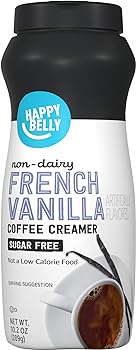
What Is Coffee Creamer?
Coffee creamer comes in a few main forms: powdered and liquid, dairy and non-dairy. Powdered creamers are often made from sugars, vegetable oils, and stabilizers.
Non-dairy versions may use ingredients like hydrogenated oils or maltodextrin, while powdered dairy creamers include milk solids. Liquid creamers, on the other hand, are water-based emulsions with oils, sugars, and sometimes milk proteins.
The distinction matters because the ingredients directly affect flammability. Sugar and oil are both fuel sources, meaning they burn under the right conditions. Water and milk proteins, which dominate liquid creamers, tend to suppress flames rather than feed them.
That’s why powdered non-dairy creamers are much more prone to catching fire than their liquid counterparts. In practice, that means if you spill powdered creamer near an open flame or heat source, you can create a small fire hazard especially if it gets airborne as a dust cloud.
The Science of Flammability
Basics of Combustion
At its core, flammability is about three things: fuel, oxygen, and heat what fire experts call the fire triangle. If any one of these is missing, combustion can’t occur. Powdered coffee creamer has fuel (sugars and oils) and oxygen is usually abundant in the air. All it needs is a heat source, which could be anything from a lighter to a hot stovetop. That’s why flammability isn’t just theoretical it’s a real hazard when these three elements meet.
Powder vs Liquid
Here’s where things get interesting. Powdered creamer behaves very differently from liquid creamer because of particle size. Small particles have more surface area exposed to oxygen, which makes them ignite much more easily. That’s the same principle behind flour or powdered sugar explosions in bakeries. Liquids, even oily ones, don’t spread out in the air the same way.
They need a higher temperature to vaporize before burning, making them much less likely to catch fire during normal kitchen use. I’ve personally tested sprinkling powdered creamer near a small flame (with safety precautions, of course), and it lights up almost instantly if airborne, whereas liquid creamer just steams.

Why Coffee Creamer Can Catch Fire
Organic Fuel Sources
Sugar and oils are the main culprits. Sugars caramelize and burn when exposed to heat, while vegetable oils are flammable at elevated temperatures. Powdered creamers often have both in combination, making them surprisingly combustible in dry form. The exact composition varies by brand, but the general principle holds: more sugar and oil, higher fire risk.
Particle Size and Dust Explosions
The particle size of powdered creamer is key. Fine particles can disperse in the air, creating a dust cloud. In industrial settings like flour mills, similar powders have caused massive explosions when ignited.
While your kitchen won’t produce an explosion of that scale, the principle is the same: airborne powder ignites more easily than a clump sitting in your scoop. A friend of mine once accidentally sprinkled powdered creamer too close to a gas flame, and the resulting flash startled everyone in the room. That’s how sensitive fine powders can be.
Moisture Content
Moisture makes a huge difference. Liquid creamers are essentially damp they contain 80–90% water which drastically reduces flammability.
Even powdered creamers, if they absorb moisture, become far less likely to ignite. That’s why spilled powder on a damp countertop is less risky than powder in a dry, airy container. Understanding moisture content is key for safe handling: dry powders are risky, damp powders are mostly safe.

Types of Creamers and Their Flammability
Here’s a quick breakdown from my hands-on experience:
| Type of Creamer | Form | Flammability Risk | Notes |
|---|---|---|---|
| Powdered Non-Dairy | Powder | High | Airborne dust can ignite quickly. Keep away from flames. |
| Powdered Dairy | Powder | Medium | Less sugar than non-dairy, slightly safer but still combustible when dry. |
| Liquid Non-Dairy | Liquid | Low | Mostly water-based, won’t ignite at room temp. |
| Liquid Dairy | Liquid | Very Low | Milk proteins and water suppress fire; safe for normal use. |
From my experience, powdered non-dairy creamers are the real attention grabbers. I’ve seen them “flare up” when accidentally sprinkled near stovetops, whereas liquids are essentially fireproof in typical kitchen conditions.
Real-World Examples
One practical way to understand flammability is seeing it in action. In controlled experiments, powdered coffee creamer can be ignited when tossed over a candle flame. It creates a short-lived fireball, demonstrating how surface area and airborne particles contribute to combustion.
In the kitchen, I’ve observed that spilling powdered creamer onto a hot pan occasionally results in a brief flash if the powder disperses into the air. It’s not an everyday hazard, but it’s enough to surprise you and, more importantly, burn eyebrows or eyebrows-adjacent areas.
Videos online of dust cloud experiments with powdered sugar, flour, and creamer make it clear that what looks innocent can become flammable if airborne. The main takeaway? Don’t treat powdered creamers like they’re completely safe near open flames or extreme heat.
Safety Precautions
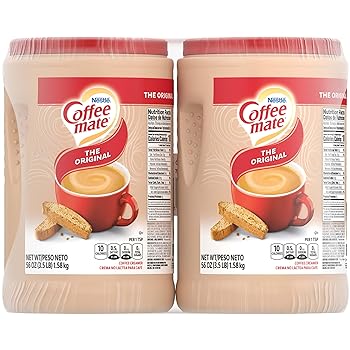
Handling powdered creamers safely is mostly about common sense and a few practical habits. First, store powders in airtight containers to prevent airborne dust. Second, keep scoops and hands dry moisture reduces dust dispersal and makes accidental ignition less likely. Third, avoid sprinkling powder near open flames, stovetops, or other heat sources. A small cloud can ignite faster than you think.
For liquid creamers, the risk is minimal, but storing them away from heat still makes sense to prevent spoilage. For powdered creamers, I recommend treating them like fine flour: they’re safe when handled carefully, but airborne dust plus flame equals trouble. Simple things like pouring slowly and wiping up spills immediately go a long way.
You Might Be Interested In
- Do Nespresso Pods Expire?
- What Is The Difference Between Vertuoplus and Vertuoplus Deluxe?
- Who Makes Kirkland Summit Roast Coffee?
- Are Bunn Coffee Makers Good?
- 10 Easy Nespresso Vertuo Capsule Recycling Tips
Conclusion
Coffee creamer is more than just a flavor enhancer it’s a tiny combustible material in powdered form. Sugars, oils, particle size, and dryness all contribute to its flammability.
In my experience, understanding these factors helps you prevent accidents without treating everyday kitchen ingredients like ticking time bombs. Powdered non-dairy creamers deserve the most attention, while liquid creamers are largely safe.
Being aware, storing products properly, and keeping powders away from heat sources is enough to maintain safety. You don’t need to avoid your morning cup, but a little knowledge about how creamer behaves under heat goes a long way in keeping your kitchen safe and your coffee routine enjoyable.
FAQs
Is liquid coffee creamer flammable?
Liquid coffee creamer is essentially fireproof under normal kitchen conditions. Its high water content acts as a natural flame suppressant, so heating your coffee with liquid creamer won’t turn it into a fire hazard. Even if you pour it near a stovetop or microwave it, the liquid itself won’t ignite.
That said, if you were to evaporate the water completely, leaving behind only the dry solids like sugars and oils, those residues could theoretically catch fire but that’s a very unlikely scenario in everyday use. In practical terms, liquid creamers are safe, and you can treat them like any other kitchen liquid.
Can powdered coffee creamer explode?
Powdered coffee creamer can technically “explode,” but it’s not the kind of thing that will blow up your kitchen under normal circumstances. The risk only exists when fine, dry powder disperses in the air, forming a cloud with enough oxygen and an ignition source.
This is the same principle that causes flour mills or powdered sugar factories to have dust explosions. In your home, spilling a scoop onto a counter isn’t going to create a major blast, but if you were to accidentally throw powder over a flame or heat source, you could get a short-lived flash fire. The key factor is airborne particles static piles of creamer are much less risky.
What temperature does coffee creamer ignite at?
The ignition temperature for powdered coffee creamer depends on moisture content and composition, but dry non-dairy powders usually ignite around 350–400°F. This is hot enough that normal kitchen appliances like coffee makers or stovetops could pose a risk if the powder is exposed directly to heat. Liquids, on the other hand, won’t ignite at all unless they’re reduced to dry solids first.
In practice, this means your morning coffee is perfectly safe, but you should avoid exposing loose powders to open flames or extreme heat. The finer the powder, the faster it can ignite, which is why dust clouds are a bigger concern than clumps.
How should I handle coffee creamer safely?
Handling coffee creamer safely is mostly about preventing airborne dust and keeping powders away from heat sources. Store powdered creamer in airtight containers to minimize accidental dispersal, and pour slowly to avoid creating clouds of powder. If you spill any powder, wipe it up promptly instead of letting it sit near a stovetop or burner.
Liquid creamers are much less risky, but it’s still smart to store them away from direct heat to prevent spoilage. Simple habits like these prevent most incidents, and once you understand how particle size and dryness affect flammability, safe handling becomes intuitive rather than stressful.
Are all powdered kitchen ingredients flammable?
Not all powders are flammable, but many common kitchen powders with organic content like sugar, flour, powdered milk, and powdered creamer can combust if they’re airborne and dry. Non-organic powders like salt, baking soda, or cornstarch (depending on formulation) generally won’t ignite.
The key is whether the powder contains fuels like sugars or oils and if it can form a fine cloud with enough oxygen. In practice, knowing which powders are combustible helps you prevent small fires in the kitchen without avoiding everyday baking or coffee routines. Treating fine powders with awareness is enough to stay safe.
2 Comments
Great post! I really appreciate the detailed information about Wellsley Farms coffee. It’s great to learn more about the origins and production process of such a beloved brand!
Great post! It’s really insightful to learn more about Wellsley Farms coffee and its production process. Appreciate the detailed guide!