


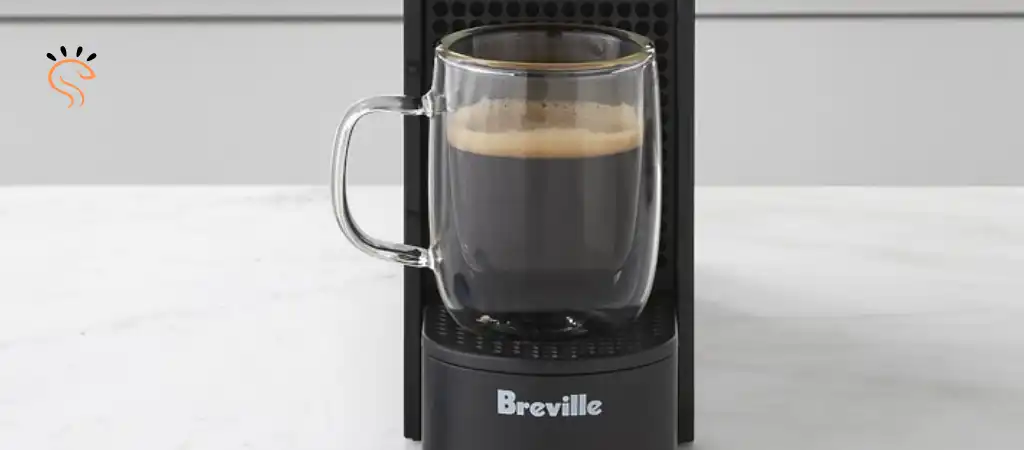
If your coffee suddenly starts tasting a little bitter, flat, or just “off,” the machine is usually the culprit. I have seen people blame the capsules, the water, or even their taste buds when the real issue was simply a dirty coffee machine.? How To Clean Nespresso Essenza Mini?
The Nespresso Essenza Mini is a small machine, but it still deals with coffee oils, moisture, and heat every single day. Those things naturally leave residue behind. Over time that buildup affects flavor, slows the machine down, and can even shorten its lifespan.
The good news is that cleaning this machine is very simple. In fact, once you understand the routine, it takes only a few minutes a day and a slightly deeper clean once in a while.
In this guide I will walk you through how to clean the Essenza Mini properly. Not the complicated version you sometimes see online, but the practical routine people actually use in real life. You will learn daily cleaning habits, how to flush the machine, how to descale it, and how to avoid the mistakes that slowly damage coffee machines.
What You Need Before Cleaning
One thing I like about the Essenza Mini is that cleaning it does not require a pile of tools.
In most cases you only need a few simple items:
-
Warm water
-
Mild dish soap
-
A soft sponge or cloth
-
A small brush or old toothbrush
-
A clean towel
-
Descaling solution made for Nespresso machines
I strongly recommend using a soft cloth instead of anything abrasive. The plastic on the Essenza Mini scratches easily, and once it is scratched it starts collecting more dirt.
For descaling, use a solution designed for Nespresso machines. The official option from Nespresso works well, but any quality espresso-machine descaler will do the job.
Avoid strong household chemicals. They can damage internal parts or leave behind smells that affect coffee taste.
Most of the cleaning you will do is simply rinsing and wiping. The key is consistency rather than complicated techniques.
Daily Cleaning For Nespresso Essenza Mini
A quick daily routine keeps the machine clean and prevents most long-term problems. This takes about three minutes, and it makes a noticeable difference in coffee taste.
Remove And Wash The Drip Tray
- The drip tray collects spilled coffee and stray drips from brewing. If you ignore it for a few days, it quickly becomes sticky.
- Pull the drip tray out, empty the liquid, and rinse it under warm water. If there is any coffee residue, a small drop of dish soap works perfectly.
- Dry it with a towel before putting it back.
Empty The Used Capsule Container
- The capsule container fills faster than most people expect. Leaving used capsules inside too long creates moisture and a stale coffee smell.
- Open the machine, remove the container, and dump the used capsules into the trash or recycling.
- Give the container a quick rinse and dry it before returning it to the machine.
Rinse The Water Tank
- The water tank holds standing water all day. Even clean water can develop mineral deposits or a slight taste if it sits too long.
- Empty the tank, rinse it with fresh water, and refill it with clean drinking water.
- I personally like to give it a quick wipe with a sponge once or twice a week.
Wipe The Exterior
- Coffee splashes happen. Oils from your hands also collect on the machine.
- Use a soft damp cloth to wipe the outside surfaces, especially around the brewing head and buttons.
- This simple routine prevents buildup and keeps the machine looking new.
How To Flush The Machine
Flushing the machine is one of the most underrated things you can do for coffee quality.
Every time you brew coffee, a tiny amount of coffee oil stays inside the brewing chamber. Over time those oils go stale. When that happens, the next cup of coffee picks up that flavor.
Running plain water through the machine clears most of that residue.
Here is the simple process I use:
-
Fill the water tank with fresh water.
-
Turn on the machine and let it heat up.
-
Make sure there is no capsule inside.
-
Place a cup under the coffee outlet.
-
Press the lungo button to run water through the machine.
-
Repeat once or twice.
That is it.
I usually do this after the last coffee of the day or before the first coffee in the morning. It takes less than a minute and keeps flavors much cleaner.
A quick flush also helps remove loose grounds that sometimes stick around after brewing.
How To Deep Clean The Capsule Area
The capsule chamber is where the real coffee action happens, and it is also where residue quietly builds up.
When you lift the lever and insert a capsule, small coffee particles can fall inside the brewing area. Over time they accumulate in corners and edges.
This is where a small brush or old toothbrush becomes useful.
First unplug the machine for safety.
Lift the lever and inspect the capsule holder area. If you see loose coffee grounds or residue, gently brush them away.
Do not push anything deep into the brewing mechanism. Just clean the visible surfaces.
If there is sticky residue, lightly dampen a cloth and wipe the area.
I have seen machines that were never cleaned here for years. The buildup can be surprisingly thick. Cleaning it occasionally keeps the brewing system working smoothly.
How To Descale Nespresso Essenza Mini
Descaling is the cleaning step that actually protects the inside of the machine.
When water heats up, minerals in the water form scale. This chalky buildup sticks to internal heating elements and pipes. Over time it restricts water flow and reduces heating efficiency.
The Nespresso Essenza Mini will eventually need descaling no matter how carefully you clean the outside.
When To Descale
In my experience, most people should descale every three months.
If your water is very hard, you might need to do it every two months. If you use filtered water, you can sometimes stretch it to four months.
Some warning signs include slower brewing, louder pump noise, or coffee that is not as hot as it used to be.
Step By Step Descaling Process
-
Fill the water tank with water and descaling solution according to the instructions.
-
Place a large container under the coffee outlet.
-
Turn the machine on.
-
Enter descaling mode by pressing the espresso and lungo buttons together for several seconds.
-
Press the lungo button to start the process.
-
Let the solution run through the machine.
-
Once the tank is empty, refill it with clean water.
-
Run two full rinse cycles with plain water.
After this, the machine is ready to use again.
The biggest difference you will notice is smoother flow and better temperature stability.
How Often Should You Clean Essenza Mini?
Cleaning frequency does not need to be complicated.
Here is a realistic schedule that works well in everyday use:
Daily
Empty the capsule container, rinse the drip tray, rinse the water tank, and wipe the exterior.
Every few days
Flush the machine with plain water.
Every two to three weeks
Clean the capsule area and check for coffee residue.
Every two to three months
Run a full descaling cycle.
In my experience this schedule keeps the machine running smoothly for years without turning cleaning into a chore.
Common Cleaning Mistakes To Avoid
I have seen people accidentally damage their machines simply by cleaning them the wrong way.
One common mistake is using vinegar as a descaling solution. Vinegar is acidic, but it leaves a strong smell and taste that can stick inside the machine for weeks.
Another mistake is using abrasive scrubbers. The Essenza Mini has a plastic body, and rough cleaning tools scratch it easily.
People also forget to rinse soap completely from removable parts. Even a tiny bit of soap residue can ruin the next few cups of coffee.
Another issue I see is skipping descaling. Many users clean the outside regularly but ignore the inside of the machine. That is where the real problems develop.
Cleaning gently and consistently is much better than aggressive cleaning once a year.
Maintenance Tips To Keep Your Machine Clean
A few simple habits make cleaning much easier.
First, always remove used capsules after brewing. Leaving them inside traps moisture and encourages residue buildup.
Second, use fresh filtered water if possible. Hard water creates scale faster, which means more frequent descaling.
Third, run a quick water flush after brewing several capsules in a row. This keeps oils from accumulating inside the brewing chamber.
Another habit I recommend is keeping the machine dry. If water sits around the drip tray area or base, wipe it up quickly.
Finally, store capsules in a clean dry place. Dust and debris can sometimes end up inside the brewing system if capsules are stored carelessly.
Small habits like these make a surprising difference over time.
Signs Your Nespresso Essenza Mini Needs Cleaning
Coffee machines usually give small warning signs before problems become serious.
One of the first signs is slower coffee flow. If your espresso suddenly takes longer to pour, mineral buildup may be blocking the system.
Another sign is bitter or burnt tasting coffee. This often means stale coffee oils are sitting inside the brewing chamber.
You may also hear the pump working harder than usual. Louder or longer pump noise often points to internal scale buildup.
Temperature changes are another clue. If the coffee feels cooler than normal, the heating system may be coated with mineral deposits.
Whenever you notice these signs, it is usually time for a flush or a full descaling cycle.
You Might Be Interested In
- How Do I Make My Nespresso Coffee Hotter?
- 7 Perfect Nespresso Vertuo Dessert Pairings
- Does Nespresso Citiz Contain More Metal Than The Essenza?
- What Makes Coffee Creamer Flammable?
- Is The Vertuo Plus Better Than The Next?
Conclusion
Cleaning the Essenza Mini is not complicated, but it does make a real difference in how your coffee tastes and how long the machine lasts. A quick daily routine, occasional flushing, and regular descaling keep everything running the way it should. Most people are surprised how much better their coffee tastes once old oils and mineral buildup are removed.
In practical terms, the secret is consistency. Spend a few minutes cleaning small things regularly instead of waiting until the machine starts acting strange. If you treat the Essenza Mini like a simple kitchen tool that needs basic maintenance, it will keep producing great espresso for years.
FAQs about How To Clean Nespresso Essenza Mini?
How often should I clean my Nespresso Essenza Mini?
In everyday use, a quick daily clean is enough to keep the machine in good shape. Empty the capsule container, rinse the drip tray, and refill the water tank with fresh water. These small steps prevent stale coffee residue and moisture from building up inside the machine. Most people skip this and then wonder why their machine starts smelling slightly sour after a week or two.
Beyond the daily routine, it is a good idea to run a simple water flush through the machine every few days to clear leftover coffee oils. A deeper clean of the capsule area should happen every couple of weeks, and descaling should usually be done every two to three months depending on how often you use the machine and how hard your local water is.
Can I use vinegar to clean my Nespresso machine?
A lot of people ask this because vinegar is a common household cleaner, and technically it can dissolve mineral scale. The problem is that vinegar leaves behind a very strong smell and taste that can cling to the internal parts of the machine. I have seen machines that still had a faint vinegar taste even after several rinse cycles.
A proper espresso-machine descaling solution works much better. It is designed to break down mineral deposits without damaging the internal parts or leaving behind odors. If you care about how your coffee tastes, using the right descaling solution is definitely the better choice.
Do I need to descale a new Essenza Mini?
A brand new machine does not need descaling right away. When you first start using it, the internal components are completely clean and free of mineral buildup. In the beginning, basic cleaning and regular water flushing are all that is necessary.
However, scale begins forming slowly the moment heated water starts passing through the system. In most households, the first descaling cycle becomes necessary after about two to three months of regular use. If your water is very hard, you might need to descale a little sooner.
Why does my Essenza Mini coffee taste bitter?
Bitter coffee from an espresso machine is very often caused by old coffee oils that have built up inside the brewing chamber. Coffee oils go stale surprisingly quickly, and once they do, they start affecting the flavor of every new cup that runs through the machine.
In many cases, simply running two or three water flush cycles without a capsule can noticeably improve the taste. If the bitterness continues, the machine may need a deeper cleaning or a full descaling cycle to remove internal buildup that is affecting the brewing process.
Can I run water through the machine without a capsule?
Yes, and in fact this is something I recommend doing regularly. Running plain water through the machine helps rinse away leftover coffee oils and tiny grounds that remain after brewing. It is one of the simplest ways to keep flavors fresh.
Many people run a quick water cycle before making their first coffee of the day, especially if the machine has been sitting overnight. Others do it after brewing several capsules in a row. Either way, it only takes a few seconds and helps keep the brewing system cleaner.