


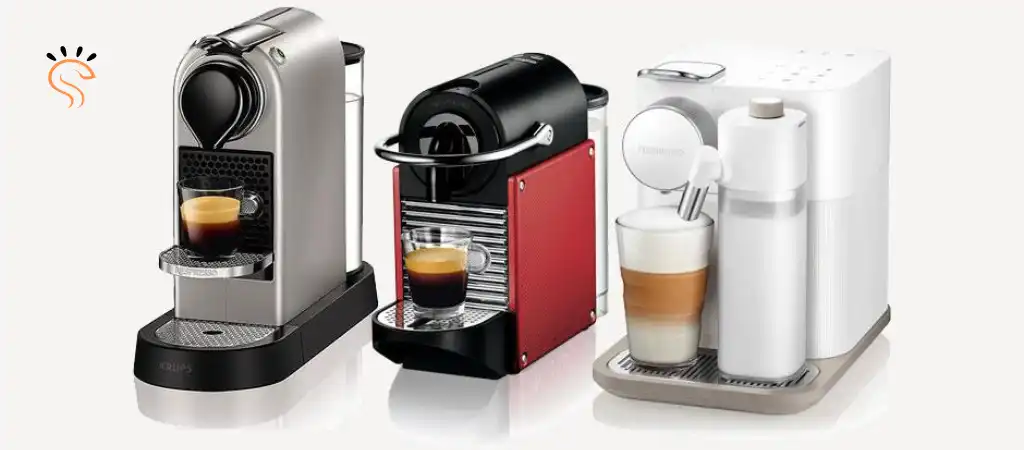
If you’ve ever stared at your shiny Nespresso machine and wondered whether it could brew tea as easily as coffee, you’re not alone. Nespresso machines dominate kitchens for a reason: convenience, speed, and consistent espresso-based drinks.
But tea is a different beast. Unlike coffee, tea requires precise steeping times, water temperatures, and sometimes gentle infusion rather than high-pressure extraction. So the question isn’t just “can you put tea in it?” it’s “can you actually make tea that tastes good?”
In my experience, the answer is nuanced. It’s possible, but it takes some understanding of how these machines work and what they were really designed for.
Table of Contents
ToggleQuick Answer
Yes, you can make tea with a Nespresso machine, but there are important caveats. If you’re looking for a quick cup of hot water to dunk a tea bag, Nespresso machines excel. Some lines even offer tea-specific capsules. However, traditional Nespresso machines especially the original line are optimized for coffee extraction, not delicate tea flavors.
High pressure can over-extract tannins and make your tea bitter. For loose leaf tea, you’ll need reusable capsules or clever workarounds. In short, Nespresso can handle tea, but the experience will never be exactly like a carefully brewed cup from a kettle.
How Nespresso Machines Actually Brew Drinks
Understanding why tea behaves differently starts with how Nespresso machines work. These machines are designed to force hot water through a tightly sealed coffee capsule at high pressure around 19 bars for most machines. That pressure is perfect for espresso because it extracts oils and flavors efficiently in 20–30 seconds. Tea, on the other hand, is more delicate.
Most black teas want water around 90–95°C and steeping times of 2–5 minutes. Green and white teas prefer even lower temperatures, and herbs vary widely. High pressure can crush leaves, release bitterness, and overwhelm subtle aromas.
Nespresso’s flow and temperature are engineered for coffee, not a gentle tea infusion. That doesn’t mean you’re doomed, but it explains why tea from a Nespresso can taste very different than tea from a teapot. If you skip understanding this, you’ll get bitter, astringent tea instead of something smooth and aromatic.
Ways to Make Tea With a Nespresso Machine
Using Hot Water From the Machine
The simplest approach is to treat your Nespresso as a hot water dispenser. Machines with a “hot water” or “long cup” function can fill a mug, and you can steep tea bags or loose leaf in a separate infuser.
This gives you complete control over steeping time and water temperature while still leveraging your machine’s convenience. In my kitchen, this method is my go-to because it avoids bitter tea and makes cleanup trivial.
Using Compatible Tea Capsules
Some third-party brands and even Nespresso in select regions sell tea capsules specifically for the Original line. These capsules are pre-portioned and designed to handle Nespresso’s pressure without turning the tea bitter.
The drawback is variety flavors are limited, and premium teas are rare. Still, for a quick green tea or chai latte, these capsules can be surprisingly decent.
Using Reusable Capsules With Loose Leaf Tea
For loose leaf enthusiasts, reusable capsules are your friend. Fill them with your favorite tea, adjust the grind size if needed, and brew like a coffee capsule. Expect a stronger, shorter brew due to high pressure, so consider reducing steeping time inside the capsule or diluting with hot water afterward.
I’ve done this with black tea and some herbal blends, and while it’s not perfect, it’s a solid compromise if you want variety without buying new machines. Just clean the capsule thoroughly each time to avoid flavor crossover with coffee.
Can You Make Tea With a Nespresso Vertuo Machine?
Vertuo machines are trickier. They rely on barcode scanning for brew size and spin capsules at high RPM to extract coffee crema technology optimized entirely for coffee. Tea capsules for Vertuo exist, but they are scarce, and most loose leaf solutions are impractical.
You can use the hot water function on Vertuo, but it’s limited. Some users try coffee pods with tea inside, but the high rotation can shred leaves, creating bitterness and residue in the machine. My experience: Vertuo is fine for hot water or specialty tea capsules, but not ideal for experimenting with loose leaf tea.
Pros and Cons
Pros
-
Convenient: Hot water on demand, minimal fuss.
-
Capsule options: Tea-specific capsules exist.
-
Fast: Instant tea with minimal waiting.
Cons
-
Limited control: Water temperature and steeping time are fixed.
-
Potential bitterness: High-pressure extraction can over-extract tannins.
-
Cleanup: Loose leaf in reusable capsules requires thorough washing.
-
Variety limitations: Vertuo line is especially restrictive.
Tips for Making Better Tea With a Nespresso Machine
-
Preheat your mug
to keep tea warmer longer.
-
Use the hot water function
whenever possible it gives more control.
-
Rinse reusable capsules
immediately after use to prevent residue buildup.
-
Dilute over-extracted tea
with a splash of hot water rather than letting bitterness dominate.
-
Experiment with steep times
inside reusable capsules; high pressure extracts fast, so shorter is often better.
-
Separate machines or capsules
if you alternate coffee and tea to avoid flavor crossover.
Is a Nespresso Machine a Good Choice for Tea?
For tea purists, a traditional kettle or electric tea maker will almost always beat Nespresso. You get precise temperatures, steeping control, and better flavor. That said, Nespresso excels for convenience. If you drink tea occasionally or value speed over nuance, it’s serviceable.
Capsules simplify cleanup, and hot water is always on tap. But for delicate green teas or high-end loose leaf blends, your Nespresso will underperform. In short: it’s good enough for casual tea, not for a tea aficionado’s ritual.
You Might Be Interested In
- Why is Vertuo So Special?
- How Often Should I Clean My Nespresso Vertuoplus?
- How Do I Make My Nespresso Coffee Hotter?
- Can You Use Other Capsules With Nespresso Essenza Mini?
- Cuisinart vs Ninja Coffee Maker
Conclusion
Yes, you can make tea with a Nespresso machine, but it’s important to understand that it wasn’t originally designed for brewing tea. Machines like the Nespresso VertuoPlus or Nespresso Vertuo are optimized for coffee capsules, pressure, and extraction times that suit espresso and coffee rather than loose-leaf or bagged tea.
That said, there are still practical ways to use one for tea. The most common approach is to run hot water through the machine (without a capsule) and then steep a tea bag in the cup, essentially using the machine as a quick hot-water source. Some people also experiment with reusable capsules filled with tea, although results can vary because tea doesn’t require the same pressure-based extraction as coffee.
In everyday use, a Nespresso machine works best as a convenient shortcut for heating water, not as a dedicated tea brewer. If you’re an occasional tea drinker, this workaround works fine. But if tea is something you drink regularly, a kettle or a specialized tea maker will still give you better control over temperature and flavor.
Can you use tea bags in a Nespresso machine?
Technically, you can’t put a tea bag directly into a Nespresso capsule and brew it like coffee the machine’s pressure and extraction method will crush the bag and release bitter tannins. The best approach is to use the machine to dispense hot water and then steep your tea bag as you normally would in a cup or mug.
This method lets you control steeping time and temperature, which is critical for delicate teas like green or white tea. I’ve tried putting tea bags inside reusable capsules before, and it often ended up over-extracted and bitter. So stick to hot water from the machine for the cleanest, most reliable result.
Does Nespresso sell tea capsules?
Yes, Nespresso does sell tea capsules, but availability depends on your region and mostly applies to the Original line rather than Vertuo. These capsules come in black teas, green teas, and a few flavored options. The flavors are convenient and can be brewed like a coffee capsule, but they don’t offer the variety or premium quality of loose leaf tea.
From personal experience, these capsules are fine for a quick, hassle-free cup, but if you’re used to high-quality loose leaf or specialty teas, the taste can feel limited or mild compared to what you’d get from traditional steeping.
Can Nespresso Vertuo make hot water for tea?
Some Vertuo models do have a hot water function, but it’s often less obvious and sometimes less flexible than on Original machines. You can use it to fill a cup or mug and steep a tea bag or loose leaf tea in a separate infuser, which works fine for black teas or herbal blends.
However, Vertuo machines spin the capsules at high speeds and use barcode-based brewing for coffee, so trying to brew loose leaf tea directly inside a capsule often ends up shredding the leaves and making a bitter, messy cup. In practice, the hot water function is the most reliable way to use a Vertuo for tea.
Will tea taste like coffee in a Nespresso machine?
Tea won’t automatically taste like coffee, but it can pick up residual flavors if you’ve previously brewed coffee in the same machine or haven’t cleaned reusable capsules thoroughly.
High-pressure extraction can also exaggerate bitterness in some teas, which may remind you of over-extracted coffee, but the flavors are still fundamentally tea-based. From my experience, always rinsing capsules and occasionally running a hot water flush through the machine before making tea prevents unwanted coffee notes and keeps your tea tasting clean and fresh.
Can you use loose leaf tea in a Nespresso machine?
Yes, you can, but it requires a reusable capsule or a third-party tea capsule designed for Nespresso. Loose leaf tea inside these capsules will extract faster and stronger than steeping in a teapot, due to the high pressure and short contact time with water.
You may need to adjust the amount of tea or dilute the cup afterward to avoid excessive bitterness. Cleaning is crucial: leftover oils and leaves can affect subsequent brews, especially if you switch between coffee and tea. I’ve found that black teas and robust herbal blends adapt better to this method, while delicate green and white teas often lose subtle flavors under pressure.