


Yes, you can absolutely use a French press coffee maker for tea. In fact, once you try it, you might start wondering why more people don’t do it. A French press is basically a simple brewing vessel with built-in filtration, which makes it surprisingly good for loose-leaf tea brewing.
Instead of tiny tea bags restricting the leaves, the tea has space to open up and release its flavour. The mesh plunger then separates the leaves from the liquid, much like a tea infuser. It’s a straightforward, practical way to brew tea without needing special equipment, and in my experience it works particularly well for loose leaf tea.
Can You Use a French Press for Tea?
Yes, and the reason is simple. The way a French press works is almost identical to traditional loose-leaf tea brewing. You add tea leaves, pour hot water over them, let them steep, and then separate the leaves from the liquid.
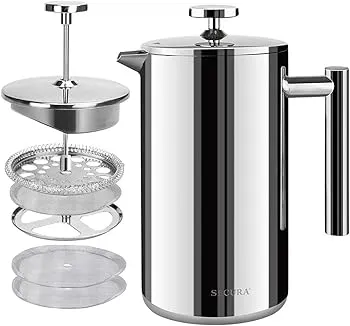
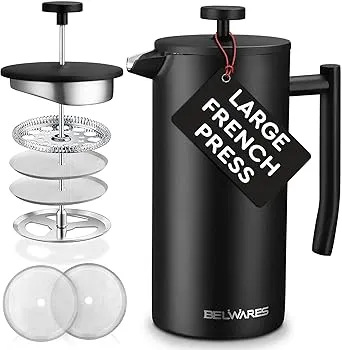
The plunger with the mesh filter pushes the leaves to the bottom so they stop brewing further. That’s essentially the same process you would use with a teapot and strainer.
Where a French press really shines is control. You can see the tea brewing. You can adjust the tea steeping time easily. You can decide exactly when to stop the extraction by pressing the plunger.
In my experience, it works best when you’re using loose leaf tea in a French press rather than tea bags. Loose leaves need room to expand and release flavour, and the wide space inside a French press allows that to happen naturally.
Why a French Press Works Well for Brewing Tea
Once you understand the mechanics, it becomes obvious why the French press tea method works so well. First, tea leaves need space to expand. This is something most people underestimate.
When loose tea leaves hit hot water, they can expand several times their dry size. In small tea bags they’re cramped, which limits flavour extraction. Inside a French press, the leaves move freely in the water.
Second, the mesh filter acts like a built-in strainer. It separates the leaves from the liquid quickly and cleanly. When you push the plunger down, you essentially stop the brewing process immediately.
Another advantage is brewing control. You control the tea brewing temperature, the tea-to-water ratio, and the steeping time. Those three factors determine how tea tastes. With a French press, all three are easy to adjust.
And honestly, it’s convenient. If you already own a French press for coffee, there’s no extra equipment required.
How to Make Tea in a French Press
The process itself is simple, but small details make a noticeable difference in flavour:
Step 1: Heat the Water
Start by heating fresh water. Ideally use filtered water if your tap water tastes strong. Tea is mostly water, so poor water quality shows up immediately in the cup.
The correct tea brewing temperature depends on the type of tea. Black tea usually needs near boiling water, while green tea prefers cooler water.
Step 2: Preheat the French Press
Most people skip this step, but it actually matters.
Pour a little hot water into the French press and swirl it around. Then discard it. This warms the glass or metal container so the brewing temperature stays stable when you add the tea.
If you skip this, the cold press can lower the water temperature quickly, especially when brewing delicate teas.
Step 3: Add Loose Tea Leaves
Add loose tea leaves directly into the bottom of the French press.
In my experience, the standard starting point is about one teaspoon of loose leaf tea per cup of water. But this is flexible. Some teas are stronger than others.
The nice thing about french press loose leaf tea brewing is that you can easily adjust next time if it turns out too strong or too weak.
Step 4: Pour the Hot Water
Pour hot water slowly over the leaves.
I like to pour in a circular motion so the leaves spread out evenly rather than clumping together. This helps the water reach all the leaves and improves extraction.
Once the water is added, place the lid on top but do not press the plunger yet.
Step 5: Let the Tea Steep
Now comes the most important part: waiting.
The tea steeping time depends on the tea type. Black tea usually takes three to five minutes. Green tea is often closer to two minutes. Herbal teas can go longer.
What most people misunderstand is that longer steeping doesn’t always mean stronger tea. Often it just means bitter tea.
Step 6: Press the Plunger Slowly
When the steeping time is finished, press the plunger down slowly.
Don’t rush this step. If you push too fast, the leaves can escape around the filter and end up in your cup.
A slow, steady press keeps the leaves at the bottom and separates them from the brewed tea.
Step 7: Pour and Serve
Once the plunger is down, pour the tea immediately.
If you leave the tea sitting with the leaves at the bottom, it can continue to extract and become bitter. I’ve seen this happen a lot with strong black teas.
Pour it into cups or a separate teapot if you’re serving multiple people.
Best Types of Tea to Brew in a French Press
Different teas behave differently during brewing. Some work beautifully in a French press, while others require more care.
Black Tea
Black tea works extremely well with the french press tea method.
The leaves are sturdy and the flavours are strong, so they tolerate hot water and longer steeping times. Assam, English breakfast, and many breakfast blends brew reliably in a French press.
Even if the timing isn’t perfect, black tea tends to remain drinkable.
Green Tea
Green tea can be brewed in a French press, but temperature control matters.
If the water is too hot, green tea quickly becomes bitter and grassy. Ideally the water should be around 75 to 85°C.
The larger brewing chamber of a French press actually helps green tea leaves expand properly, which can improve flavour compared to cramped tea bags.
White Tea
White tea is delicate and benefits from gentle brewing.
Loose leaf white tea in a French press can produce a very smooth cup because the leaves float freely. However, the steeping time needs to be controlled carefully.
Too hot or too long and the subtle sweetness disappears.
Oolong Tea
Oolong tea sits somewhere between green and black tea in terms of oxidation.
Many oolong teas are rolled into tight balls that unfurl dramatically during brewing. A French press gives them plenty of room to expand, which makes it a surprisingly good brewing vessel for them.
I’ve brewed several rolled oolongs this way and the leaves open beautifully.
Herbal Tea
Herbal tea works exceptionally well in a French press.
Herbal blends often contain large ingredients like dried fruit, flowers, or herbs. The wide space inside the press allows them to infuse fully.
The mesh filter also keeps most particles out of the cup, which is helpful with loose herbal blends.
Tea-to-Water Ratio for French Press Brewing
Getting the tea-to-water ratio right is one of the easiest ways to improve your tea.
A common starting point is about one teaspoon of loose leaf tea for every 200 to 250 ml of water. That’s roughly one standard cup.
But this is not a strict rule. Some teas are dense and heavy, others are light and fluffy. A teaspoon of one tea might weigh twice as much as another.
In real practice, the better approach is to taste and adjust. If the tea feels weak, add slightly more leaves next time. If it feels heavy or bitter, reduce the amount or shorten the steeping time.
Most beginners try to fix bitterness by using less tea, but often the real issue is steeping too long.
Water Temperature and Steeping Time for Different Teas
Temperature is one of the most misunderstood parts of tea brewing.
Different teas extract different compounds at different temperatures. When the water is too hot, bitter compounds dominate.
Black tea usually brews best around 95 to 100°C with a steeping time of three to five minutes.
Green tea generally prefers 75 to 85°C and around two minutes of steeping.
White tea works well around 80°C with slightly longer steeping.
Herbal tea often uses boiling water and longer steeping times because the ingredients are tougher.
If your tea tastes harsh, the water is often too hot or the steeping time too long.

Common Mistakes When Brewing Tea in a French Press
The most common mistake I see is over-steeping.
People add the tea, get distracted, and come back ten minutes later. By then the tea has extracted far too much tannin, which creates bitterness.
Another issue is using the wrong water temperature. Boiling water poured onto delicate teas like green or white tea can destroy their subtle flavours.
Filter limitations can also cause problems. French press filters are designed for coffee grounds, which are larger than many tea particles. Very fine teas may slip through the mesh and appear in the cup.
Finally, people sometimes forget to pour the tea immediately after pressing the plunger. Even with the leaves pushed down, they can still slowly release flavour.
French Press vs Teapot for Brewing Tea
A traditional teapot and a French press accomplish the same basic task, but they feel different in practice.
A teapot usually requires a separate strainer or infuser. The leaves steep inside the pot and are then filtered when pouring.
A French press combines everything in one container. The brewing chamber and filtration system are built together.
In my experience, the French press offers better control over stopping the steeping process. Press the plunger and the leaves are immediately separated.
However, a good teapot with a built-in infuser can produce equally good tea. The difference is more about convenience than flavour.
Tips for Making Better Tea in a French Press
Use good loose leaf tea whenever possible. Tea bags often contain small broken particles that produce dull or bitter flavour.
Measure your tea leaves rather than guessing. Even small changes in quantity affect strength.
Pay attention to water temperature. If you don’t own a thermometer, simply letting boiling water sit for a minute can lower it enough for green tea.
Also rinse the French press thoroughly if it was used for coffee recently. Coffee oils can linger and affect the flavour of delicate teas.
And finally, experiment. Tea brewing is surprisingly flexible, and small adjustments can produce very different cups.
Can You Use Tea Bags in a French Press?
Yes, technically you can brew tea bags in a French press, but it’s honestly not the best use of the equipment.
Tea bags are designed to brew directly in a cup. Using a French press doesn’t really improve their performance because the leaves are already confined inside the bag.
Where the French press shines is with loose leaf tea. The leaves can expand freely, interact fully with the water, and release more complex flavours.
If you only have tea bags, you can still use them in the press, but you won’t gain much advantage from the brewing method.
How to Clean a French Press After Brewing Tea
Cleaning matters more than people expect.
Tea leaves can leave residue and natural oils inside the press. If those oils build up, they can eventually affect the taste of future brews.
Start by discarding the used tea leaves. The easiest method is to scoop them out or rinse them into a compost bin or sink strainer.
Then rinse the press with warm water and wash it with mild dish soap. Pay attention to the mesh filter because small particles can get trapped there.
Finally rinse thoroughly so no soap remains. A clean press ensures your next cup of tea tastes exactly as it should.
You Might Be Interested In
- 10 Genius Nespresso Vertuo Hacks You’ll Love
- Why is Vertuo Next more expensive?
- Cuisinart vs Ninja Coffee Maker
- How Do I Descale My Nespresso Essenza Coffee Machine?
- 7 Easy Nespresso Vertuo Coffee Art Techniques
Conclusion
Using a French press for tea is not just possible, it’s often surprisingly effective. The brewing method naturally suits loose leaf tea because the leaves have space to expand and the mesh filter separates them cleanly from the liquid. When the tea brewing temperature, tea-to-water ratio, and steeping time are handled properly, a French press can produce tea that is just as good as what you would get from a traditional teapot.
In real everyday use, the biggest advantage is simplicity. If you already own a French press for coffee, you already have a capable tool for brewing tea. With a little attention to temperature, timing, and quality leaves, the french press tea brewing method can easily become one of the most practical ways to enjoy loose leaf tea at home.
FAQs about Can You Use French Press Coffee Maker for Tea?
Can you brew loose leaf tea in a French press?
Yes, a French press actually works very well for brewing loose leaf tea. The design gives the tea leaves plenty of space to move around and fully expand, which is something loose tea really needs in order to release its flavor properly. When hot water hits dry tea leaves, they unfurl and grow several times their original size. In a French press brewing chamber they can circulate freely, allowing the water to extract flavor evenly instead of forcing the leaves to sit tightly packed like they often do inside tea bags.
Another advantage is the built-in mesh filter. Once the tea steeping time is finished, you simply press the plunger down and the leaves are pushed to the bottom of the press. This separates them from the liquid so the tea stops brewing immediately. In real use this makes the french press tea method very convenient, especially if you like brewing multiple cups at once or experimenting with different loose leaf teas.
How much tea should you use in a French press?
A good general starting point is about one teaspoon of loose leaf tea for every 200 to 250 milliliters of water. That’s roughly one standard cup. This ratio usually produces a balanced cup for most black teas, green teas, and herbal blends when using the french press tea brewing method. However, it’s important to understand that tea leaves vary a lot in size and density, so that teaspoon measurement isn’t always exact.
In practice, adjusting the ratio is part of learning how to brew tea with a French press properly. Some teas like large white tea leaves are very light and need a bit more volume to produce enough flavor, while dense rolled oolong teas can be quite strong even with a small amount. If the tea tastes weak, add slightly more leaves next time. If it tastes too heavy or bitter, reduce the quantity or shorten the tea steeping time instead of assuming the tea itself is the problem.
Can a French press make iced tea?
Yes, a French press can be a very practical tool for making iced tea. The process is almost identical to brewing hot tea, except you typically brew the tea slightly stronger so the flavor holds up once ice is added. You add loose tea leaves to the press, pour hot water over them, allow the tea to steep for the appropriate time, and then press the plunger to separate the leaves.
Once brewed, you can pour the tea over a glass filled with ice or allow it to cool in the refrigerator. In my experience, the French press works well for iced tea because it allows you to brew larger batches and filter out loose leaves easily. It also gives you precise control over tea brewing temperature and steeping time, which helps keep the iced tea smooth rather than overly bitter or diluted.
Should you use the same French press for coffee and tea?
Technically you can use the same French press for both coffee and tea, but you need to clean it very thoroughly between uses. Coffee oils tend to stick to the glass walls, the plunger assembly, and especially the mesh filter. Those oils can linger even after a quick rinse, and they can affect the flavor of delicate teas like green or white tea.
From a practical standpoint, many people who regularly brew both drinks eventually end up using separate presses. It’s not absolutely necessary, but it does prevent flavor crossover. If you only occasionally make tea in your coffee press, a good wash with warm water and mild soap will usually be enough to keep the flavors clean.
Why does French press tea sometimes taste bitter?
Bitterness usually comes down to two main factors: water temperature and steeping time. When the water is too hot for the type of tea you are brewing, it extracts harsher compounds from the leaves. This is especially common with green tea and white tea, which prefer cooler brewing temperatures than black tea or herbal tea.
Over-steeping is another common issue with the french press tea method. If the tea sits in the water too long, the leaves continue releasing tannins, which create that dry, bitter taste people often complain about. I’ve seen this happen when someone forgets about the press and leaves the tea steeping for ten minutes or more. Pressing the plunger at the right time and pouring the tea soon after usually fixes the problem and results in a much smoother cup.