


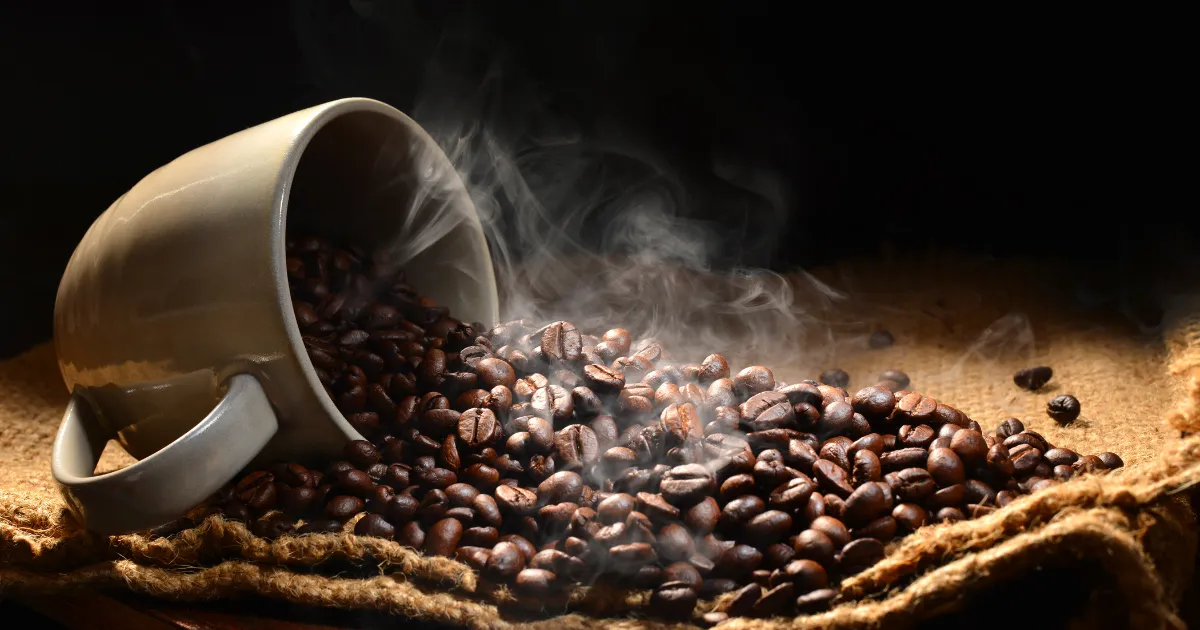
Coffee is one of the most consumed beverages in the world, loved for its rich flavor, comforting warmth, and energizing effects. But what about people who want the taste without the jitters? That’s where decaf coffee comes in. Many coffee lovers switch to decaf believing it to be completely caffeine-free. But here’s the big question: does decaf coffee have caffeine?
The answer isn’t as straightforward as many think. Despite the name, decaf coffee isn’t entirely caffeine-free. It still contains small amounts of caffeine, and how much depends on the beans, the processing method, and even the cup size.
In this guide, we’ll explore everything you need to know about decaf coffee—how it’s made, how much caffeine it actually contains, health benefits, myths, and whether it’s a good choice for you.
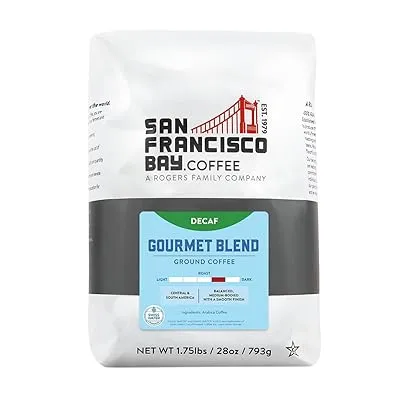
What Exactly Is Decaf Coffee?
Decaf, short for decaffeinated coffee, is made from coffee beans that have had most of their caffeine removed. Unlike “caffeine-free” drinks such as herbal teas, decaf starts its journey as a regular coffee bean before undergoing a caffeine removal process.
Key Characteristics of Decaf:
-
Retains Flavor:
Although the caffeine is reduced, decaf coffee still tastes similar to regular coffee.
-
Contains Some Caffeine:
It isn’t 100% caffeine-free.
-
Same Nutrients:
Decaf coffee still provides antioxidants and beneficial compounds like polyphenols.
So when people ask, “does decaf coffee have caffeine?” the short answer is yes—it does, just much less than regular coffee.
How Is Coffee Decaffeinated?
Understanding how caffeine is removed helps explain why traces remain. Several methods are used worldwide:
1. Solvent-Based Method
-
Uses chemical solvents such as methylene chloride or ethyl acetate.
-
Beans are steamed, rinsed with solvent to extract caffeine, then dried.
-
Leaves behind minimal solvent residues, regulated by health authorities.
2. Swiss Water Process
-
A chemical-free method.
-
Beans are soaked in hot water, caffeine is removed through carbon filters.
-
Retains much of the original flavor.
3. Carbon Dioxide Method
-
Uses pressurized carbon dioxide to extract caffeine.
-
Efficient and preserves flavor.
-
Common in large-scale commercial decaf production.
4. Triglyceride Process
-
Involves soaking beans in coffee oils to remove caffeine.
-
Less common but still used in specialty decaf production.
Each method removes around 97% of caffeine, which means some always remains.

How Much Caffeine Is in Decaf Coffee?
So, does decaf coffee have caffeine in measurable amounts? Yes—and here’s a breakdown.
-
Regular Coffee:
70–140 mg per 8-ounce cup (varies by brew and bean).
-
Decaf Coffee:
2–7 mg per 8-ounce cup.
This may sound negligible, but for people sensitive to caffeine, even this small amount can matter.
Factors Affecting Caffeine in Decaf:
-
Type of Bean:
Robusta beans naturally contain more caffeine than Arabica.
-
Brewing Method:
Espresso-style decaf may have slightly higher caffeine per ounce.
-
Serving Size:
A larger cup equals more caffeine, even in decaf.
So, while drinking one cup of decaf won’t keep most people awake at night, multiple cups might add up.
Health Benefits of Decaf Coffee
If you’re wondering why people drink decaf despite its small caffeine content, here are some benefits:
1. Lower Caffeine Intake Without Giving Up Coffee
Decaf allows coffee lovers to enjoy their favorite drink while limiting caffeine.
2. Rich in Antioxidants
Even without caffeine, decaf retains compounds like polyphenols that fight inflammation and protect cells.
3. Better for Sensitive Individuals
For those with caffeine sensitivity, heart conditions, or sleep problems, decaf provides a safer alternative.
4. Supports Mental Health
Some studies show decaf coffee can reduce depression risk, thanks to compounds beyond caffeine.
5. May Protect Against Diseases
Research suggests decaf may lower risks of type 2 diabetes, liver disease, and certain cancers.
Does Decaf Coffee Have Caffeine and Affect Sleep?
One of the main reasons people choose decaf is to avoid sleepless nights. But since decaf coffee have caffeine, can it still disturb sleep?
For most people, 2–7 mg of caffeine won’t disrupt sleep cycles. However, caffeine-sensitive individuals may still feel mild stimulation. To be safe, avoid decaf in the evening if you are highly sensitive.
Common Myths About Decaf Coffee
Myth 1: Decaf Is 100% Caffeine-Free
Fact: Decaf coffee have caffeine, though in small amounts.
Myth 2: Decaf Has No Health Benefits
Fact: It still contains antioxidants and nutrients.
Myth 3: Decaf Tastes Bad
Fact: Modern decaffeination processes preserve flavor much better than before.
Myth 4: Decaf Is Less “Real” Coffee
Fact: It’s made from the same beans, just processed differently.
Who Should Choose Decaf Coffee?
Decaf is an excellent option for people who:
-
Want to limit caffeine due to anxiety or insomnia.
-
Are pregnant or breastfeeding (but should still consult a doctor).
-
Have heart conditions aggravated by caffeine.
-
Enjoy coffee late in the day without losing sleep.
Decaf vs. Regular Coffee: A Side-by-Side Comparison
| Feature | Regular Coffee | Decaf Coffee |
|---|---|---|
| Caffeine Content | 70–140 mg | 2–7 mg |
| Flavor | Stronger, bolder | Slightly milder |
| Health Benefits | High in antioxidants, energizing | Similar benefits, less stimulating |
| Best For | Energy boost | Taste without jitters |
So, while regular coffee is best for an energy kick, decaf suits those who prefer coffee flavor without the buzz.
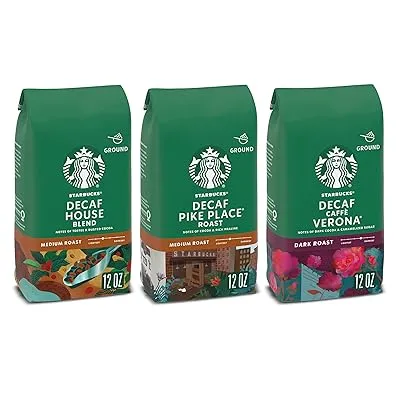
Can Decaf Coffee Still Cause Side Effects?
Even though decaf coffee have caffeine in smaller amounts, some side effects may still occur:
-
Mild Stimulation:
Sensitive people may feel jittery.
-
Digestive Discomfort:
Coffee acids remain in decaf.
-
Drug Interactions:
For certain medications, even small caffeine levels matter.
If you’re highly sensitive or on strict medical advice, check with a healthcare professional.
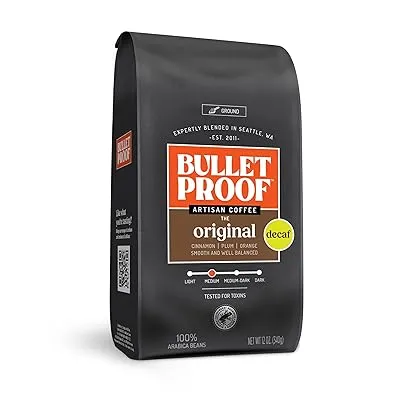
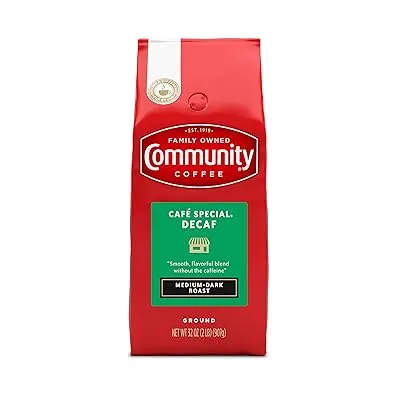
How to Choose the Best Decaf Coffee
If you’re switching to decaf, here are tips to find the best quality:
-
Look for Swiss Water Process
chemical-free and preserves flavor.
-
Check Labels
some brands mention exact caffeine levels.
-
Choose Fresh Beans
freshly roasted decaf tastes closest to regular.
-
Experiment with Brewing
French press or pour-over often brings out the best flavor in decaf.
Conclusion
So, does decaf coffee have caffeine? Yes, it does—but in very small amounts. On average, an 8-ounce cup contains between 2 and 7 milligrams of caffeine, compared to the 70–140 milligrams in regular coffee.
For most people, this amount is negligible and allows them to enjoy the flavor of coffee without the full stimulant effect. However, if you are extremely sensitive, even the small caffeine content in decaf could make a difference.
Ultimately, decaf coffee is not completely caffeine-free, but it offers the perfect balance for coffee lovers who want to reduce caffeine while still enjoying the taste, aroma, and health benefits of their favorite beverage.
FAQ’s
Does decaf coffee have caffeine at all?
Yes, decaf coffee does contain caffeine, but only in very small amounts. On average, a regular cup of coffee has about 95 mg of caffeine, while a decaf cup usually contains between 2 and 7 mg. So, when people ask does decaf coffee have caffeine, the answer is yes, but the amount is significantly lower than regular coffee and unlikely to cause the same stimulating effects for most individuals.
Why does decaf coffee have caffeine if it’s supposed to be decaffeinated?
The reason is that no decaffeination process can remove 100% of caffeine from coffee beans. Methods like the Swiss Water Process or CO2 extraction can remove about 97–99% of caffeine, but tiny traces remain. This is why the answer to does decaf coffee have caffeine is always yes, even though the amount is minimal and considered safe for most people.
How much caffeine is in a typical cup of decaf coffee?
A standard cup of decaf usually contains around 2 to 7 milligrams of caffeine. In comparison, a regular cup may have 70 to 140 milligrams depending on the roast and preparation. This means when we ask does decaf coffee have caffeine, we’re really asking about small trace amounts that are usually harmless unless you are highly sensitive or need to avoid caffeine completely.
Can decaf coffee affect sleep since it still has caffeine?
For most people, the small amount of caffeine in decaf will not affect sleep. However, those who are extremely sensitive may still notice mild effects if they drink multiple cups in the evening. Because the answer to does decaf coffee have caffeine is yes, even if minimal, it is still wise to monitor how your body responds before bedtime.
Is decaf coffee safe during pregnancy if it still has caffeine?
Doctors usually recommend limiting caffeine intake during pregnancy, and decaf is often seen as a safer option compared to regular coffee. Still, because the answer to does decaf coffee have caffeine is yes, pregnant women should keep track of total caffeine intake from all sources, including decaf, tea, chocolate, and soda. Consulting a healthcare provider ensures you stay within safe limits.
What’s the best option if I want absolutely no caffeine?
If you want to completely eliminate caffeine, you’ll need to avoid coffee altogether and choose caffeine-free alternatives like herbal teas (rooibos, chamomile) or chicory root coffee. While decaf dramatically reduces caffeine content, the answer to does decaf coffee have caffeine is always yes, since it still contains trace amounts that cannot be fully removed.