


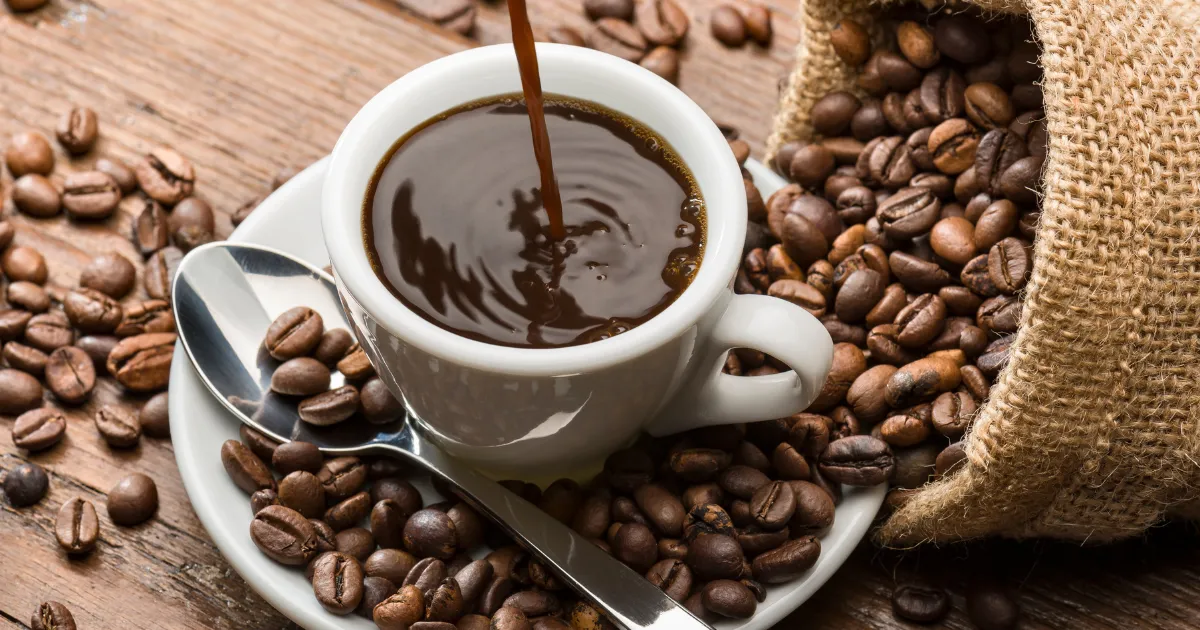
Few beverages in the world are as universally beloved as coffee, and when it comes to quality, flavor, and reputation, Colombian coffee holds a special place. For decades, this South American treasure has been celebrated by coffee lovers, baristas, and international markets alike. But what exactly makes Colombian coffee so unique? Why is it often considered the gold standard of Arabica beans? And how has it become a cultural symbol for Colombia?
This comprehensive guide dives deep into the origins, history, cultivation methods, flavors, and global significance of Colombian coffee. Whether you are a casual coffee drinker, an aspiring barista, or simply someone curious about this famous beverage, this guide will give you everything you need to know.
The Origins of Colombian Coffee
Coffee’s Journey to Colombia
Coffee is not native to South America. Its roots trace back to Ethiopia, spreading later to the Middle East and Europe. Coffee was first introduced to Colombia in the early 18th century by Jesuit priests. The fertile soils, high-altitude mountains, and tropical climate quickly proved to be an ideal environment for cultivating Arabica beans.
By the early 19th century, Colombian coffee began to emerge as a major agricultural product. Farmers across different regions adopted coffee production as a way of life, and soon, it became Colombia’s economic backbone.
Coffee as a National Identity
Unlike many other countries where coffee is just another crop, in Colombia, it became part of the national identity. Coffee farming is deeply rooted in Colombian traditions, shaping communities, cultural practices, and even the global image of the country. Today, Colombia is one of the world’s top three coffee producers, alongside Brazil and Vietnam, but its reputation for high quality sets it apart.
Why Colombian Coffee Stands Out
Ideal Growing Conditions
Colombia’s geography is a gift to coffee cultivation. The country lies along the equator, where consistent sunshine and rainfall nourish crops year-round. Add to that the Andes Mountains, volcanic soils, and elevations between 1,200 and 1,800 meters above sea level, and you get the perfect recipe for high-quality Arabica beans.
100% Arabica Beans
One of the reasons colombian coffee is considered premium is that the country exclusively grows Arabica beans. Unlike Robusta beans, Arabica beans have a smoother, more complex flavor profile with less bitterness. This focus on quality over quantity is why Colombian coffee consistently ranks among the best.
Hand-Picked Tradition
Colombian farmers, known as cafeteros, still harvest coffee cherries by hand. This painstaking process ensures that only the ripest cherries are selected, which improves consistency and flavor. While mechanical harvesting might be faster, Colombia’s dedication to hand-picking shows its commitment to excellence.
The Coffee-Growing Regions of Colombia
Colombia’s coffee landscape is divided into unique regions, each with its own distinct flavors and characteristics.
The Coffee Triangle (Eje Cafetero)
Perhaps the most famous coffee-producing area, the Coffee Triangle includes the departments of Caldas, Quindío, and Risaralda. Known for its lush landscapes and UNESCO-recognized coffee cultural landscape, beans from this region tend to be well-balanced, with medium body and bright acidity.
Sierra Nevada de Santa Marta
Located near the Caribbean coast, this region’s coffee benefits from sea breezes and rich mountain soils. The beans are often sweet, with fruity and nutty undertones.
Nariño
Close to the Ecuadorian border, Nariño produces coffee at some of the highest altitudes in the country. This results in beans with intense aroma, strong body, and high acidity—a favorite among specialty coffee enthusiasts.
Huila
Another standout region, Huila coffee often wins international awards. Known for its floral notes, caramel sweetness, and delicate balance, it has gained a reputation as some of the finest Colombian coffee available.
Flavor Profile of Colombian Coffee
Balanced and Versatile
Colombian coffee is often described as smooth, well-balanced, and medium-bodied. It strikes a perfect harmony between acidity, sweetness, and bitterness, making it versatile for various brewing methods.
Notes and Aromas
Depending on the region, you may find flavors such as:
-
Citrus and floral hints (common in Huila and Nariño)
-
Nutty and chocolate undertones (found in the Coffee Triangle)
-
Sweet caramel and honey-like notes (seen in many high-altitude beans)
Why It Appeals Globally
The versatility of colombian coffee is one of its biggest strengths. Whether you enjoy it as an espresso, pour-over, French press, or cold brew, its flavors shine through. This adaptability has helped Colombian coffee maintain its reputation worldwide.
The Cultural Significance of Colombian Coffee
Coffee and the Colombian Economy
Coffee has long been a driving force in Colombia’s economy. At one point, it accounted for over half of the country’s exports. Although other industries have grown since then, coffee remains one of Colombia’s most important exports, supporting over half a million families.
The National Federation of Coffee Growers
Founded in 1927, the National Federation of Coffee Growers of Colombia has played a vital role in maintaining quality standards, promoting Colombian coffee globally, and protecting the interests of farmers.
Juan Valdez: A Global Icon
No discussion about Colombian coffee is complete without mentioning Juan Valdez. Created as a marketing icon in the 1950s, Juan Valdez and his mule, Conchita, became the symbol of Colombian coffee worldwide. This fictional coffee farmer represented authenticity, tradition, and quality, helping cement Colombia’s reputation.
Brewing Colombian Coffee
Grinding for Perfection
Freshly ground beans are essential to unlock the flavors of Colombian coffee. A medium grind works best for drip coffee, while finer grinds suit espresso machines.
Brewing Methods
-
Espresso:
Highlights the chocolatey and nutty flavors.
-
Pour-over (Chemex, V60):
Accentuates fruity and floral notes.
-
French Press:
Enhances body and smoothness.
-
Cold Brew:
Brings out sweetness and low acidity.
Serving Tradition
In Colombia, coffee is not just a drink—it is a cultural ritual. Locals often enjoy a small cup called tinto, a lightly sweetened black coffee served throughout the day.
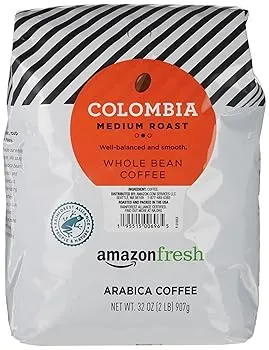
Colombian Coffee in the Global Market
Export and Reputation
Colombia exports millions of bags of coffee annually, with the United States, Europe, and Asia being major markets. Its strict quality control, traceability, and regional variety make it one of the most sought-after coffees in the world.
Specialty Coffee Movement
In recent decades, Colombian coffee has embraced the specialty coffee movement. Farmers are experimenting with micro-lots, unique processing methods, and sustainable practices to cater to coffee connoisseurs who seek unique experiences.
Challenges and Sustainability
Despite its success, the Colombian coffee industry faces challenges like climate change, fluctuating prices, and generational shifts. However, many farms are adopting eco-friendly practices, organic cultivation, and fair-trade initiatives to ensure long-term sustainability.
Health Benefits of Colombian Coffee
Rich in Antioxidants
Colombian coffee is packed with antioxidants that help fight free radicals and support overall health.
Boosts Energy and Focus
Thanks to its caffeine content, it provides a natural energy boost, improves concentration, and enhances mood.
Potential Benefits
Studies suggest that moderate consumption of colombian coffee may reduce the risk of certain diseases, improve metabolism, and even support heart health.
Colombian Coffee Tourism
Coffee Cultural Landscape
UNESCO declared Colombia’s Coffee Cultural Landscape a World Heritage Site in 2011. This recognition highlights the cultural and historical value of the coffee regions.
Coffee Farm Tours
Tourists visiting Colombia can explore traditional coffee farms (fincas), participate in bean-picking, learn about roasting, and of course, taste fresh brews right at the source.
Popular Coffee Towns
Places like Salento, Manizales, and Armenia attract visitors for their scenic beauty, colorful houses, and immersive coffee culture experiences.How to Identify Authentic Colombian Coffee
Look for the Logo
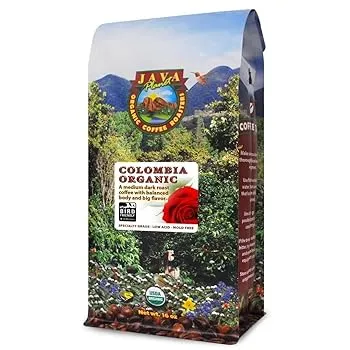
Authentic Colombian coffee often carries the “100% Colombian Coffee” logo, a certification by the National Federation of Coffee Growers.
Check the Roast Date
Freshness is key. Always check the roast date to ensure the beans retain their optimal flavors.
Choose Whole Beans
For the best experience, buy whole beans and grind them just before brewing.
Conclusion
So, what is Colombian coffee? It is much more than just a drink. It represents centuries of tradition, cultural pride, and agricultural excellence. Born from ideal growing conditions, nurtured by passionate farmers, and perfected through generations of expertise, Colombian coffee has earned its reputation as one of the finest in the world.
From the fertile soils of the Andes to the vibrant cafes of Bogotá, Colombian coffee tells a story of dedication, resilience, and authenticity. Its smooth, well-balanced flavors appeal to both casual drinkers and coffee connoisseurs, while its cultural significance connects millions of Colombians to their roots.
FAQs
Is decaf coffee completely caffeine-free?
Many people assume that decaf coffee means it contains zero caffeine, but that’s not entirely true. The process of decaffeination removes most, but not all, of the caffeine naturally found in coffee beans. On average, a cup of decaf contains about 2 to 7 milligrams of caffeine compared to 95 milligrams or more in a regular cup. So, while the amount is very small, the answer to the question does decaf coffee have caffeine is yes, but only in trace amounts.
For most people, these tiny levels are not enough to cause the typical stimulant effects associated with coffee. However, if someone is extremely sensitive to caffeine, even the small amounts in decaf might be noticeable. That’s why it’s important to understand that decaf is a “reduced caffeine” option, not a completely caffeine-free beverage.
How much caffeine is usually in a cup of decaf?
The caffeine content in decaf coffee can vary depending on the type of bean, the decaffeination method used, and how the coffee is brewed. On average, an 8-ounce cup of decaf contains between 2 and 7 milligrams of caffeine. In contrast, the same size cup of regular coffee often ranges from 70 to 140 milligrams. That makes decaf a much lighter choice, but still not entirely free of caffeine.
So, if you are wondering does decaf coffee have caffeine, the answer is yes, but the amount is significantly lower than a regular brew. For comparison, even chocolate or certain teas may contain similar small amounts of caffeine, meaning decaf falls into the “low-caffeine” category rather than “caffeine-free.” This makes it a good choice for those looking to reduce their intake without giving up coffee altogether.
Can drinking decaf coffee affect my sleep?
Caffeine is known to interfere with sleep cycles, so people often switch to decaf in the evening. Because decaf still contains small traces of caffeine, it can, in rare cases, affect individuals who are especially sensitive. For most people, however, the minimal caffeine in decaf is not enough to disturb sleep or cause restlessness. The majority of drinkers can enjoy a cup at night without any issues.
Still, it’s worth considering your personal tolerance. If you notice difficulty falling asleep, you may want to avoid decaf in the late hours and instead opt for completely caffeine-free herbal beverages. Even though the amount is small, the question does decaf coffee have caffeine is answered by recognizing that yes, it does, and those residual amounts can matter depending on the individual.
Is decaf safe during pregnancy?
During pregnancy, doctors often recommend limiting caffeine intake because high levels have been linked to certain risks. Switching to decaf is a popular way for expectant mothers to reduce caffeine while still enjoying coffee. But since decaf is not caffeine-free, it’s important to understand that small amounts remain. An average cup of decaf has just a few milligrams of caffeine, far less than regular coffee.
For most pregnant individuals, drinking decaf in moderation is considered safe. However, if the question does decaf coffee have caffeine matters to you for medical or personal reasons, it’s always best to consult a healthcare provider. They can give guidance on how much is safe for your specific circumstances and whether decaf should be limited further.
Which type of decaf has the least caffeine?
Not all decaf coffees are created equal. The amount of residual caffeine can vary depending on the decaffeination process. Methods such as the Swiss Water Process or CO2 extraction tend to remove caffeine more effectively, leaving behind only minimal traces. Solvent-based methods are also effective but may leave slightly more caffeine behind. In addition, bean variety matters, since Robusta beans naturally contain more caffeine than Arabica, even after decaffeination.
So when asking does decaf coffee have caffeine, the answer is yes, but some types have less than others. If you want the lowest possible caffeine, look for Swiss Water Process decafs or specialty brands that provide lab-tested caffeine levels. These options are often the best choice for people who are highly sensitive or who need to minimize caffeine intake as much as possible.