


If you’ve ever brewed your morning espresso and noticed water pooling around your Nespresso Essenza Mini, you’re not alone. Leaks are one of those frustrating little issues that can ruin your coffee ritual. Why Is My Nespresso Essenza Mini Leaking?
I’ve spent years using and troubleshooting these tiny machines, and I’ve seen leaks caused by everything from a misaligned capsule to a worn-out gasket. Understanding why your Essenza Mini leaks isn’t just about fixing the immediate puddle it’s about knowing how the machine works, how pressure builds inside, and what parts wear over time.
Leaks are surprisingly common because the Essenza Mini is compact and relies on tight tolerances. Even a small misalignment or debris can disrupt the flow. In my experience, most leaks aren’t catastrophic; they’re usually the result of everyday use, neglecting simple maintenance, or occasionally user error.
This guide isn’t going to sugarcoat things. I’ll walk you through exactly why leaks happen, how to troubleshoot them based on symptoms, and what you can do to fix and prevent them for good.
How the Nespresso Essenza Mini Works
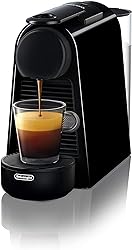
The Essenza Mini is deceptively simple. Water from the tank is heated and pumped under high pressure through a capsule. The capsule pierces, coffee flows into your cup, and excess water drains into the drip tray. The system depends on precise seals, tiny needles, and correct pressure to operate without leaking.
Even a tiny misalignment or blocked hole can create a leak, because water will always find the weakest path. Think of it like a pressure cooker: if the gasket isn’t perfect or a valve is blocked, the water escapes where it shouldn’t.
Common Causes of Leaks
Improper Capsule Placement
One of the most common reasons I see for leaks is the capsule simply not sitting right. The Essenza Mini pierces capsules in a very specific way. If the capsule isn’t seated fully or the lever isn’t closed firmly, water can squirt around the sides instead of going through the capsule. In my kitchen, I’ve accidentally inserted capsules upside-down or at an angle, and even a single misaligned pod will cause a messy spill.
Blocked Needles or Internal Clogs
The Essenza Mini uses needles to puncture capsules and allow water to flow through. These tiny needles can get clogged with coffee oils or scale. When that happens, the water pressure has nowhere to go and starts leaking inside the machine. I’ve fixed this many times by carefully cleaning the needle with a pin and running a few cycles of hot water without a capsule to flush out debris.
Damaged or Worn Seals/Gaskets
The machine’s internal gaskets are designed to create a watertight seal around the capsule chamber and water pathways. Over time, they harden or tear. I’ve seen machines that are just a couple of years old leak because a gasket at the capsule entry point cracked. Replacing these is straightforward if you have a replacement kit, and it usually solves persistent leaks.
Water Tank Issues
Leaks sometimes originate from the water tank. If it’s not seated correctly or has a crack, water can escape during brewing. In my experience, a slightly tilted tank can drip even before the machine pumps water. Always check the tank base and make sure it clicks into place.
Overflowing Drip Tray or Capsule Container
Sometimes what looks like a leak is really overflow. The Essenza Mini’s drip tray and used capsule container have limited capacity. If you brew multiple coffees without emptying them, water can back up and spill over, giving the illusion of a leak.
Excessive Internal Pressure
If the machine is clogged or a needle is blocked, pressure builds up. Water then finds a weak spot often a seal or gasket and escapes. I’ve seen this cause water to leak from the bottom of the machine. Regular cleaning and descaling prevent this problem in the long run.
Symptom-Based Troubleshooting Guide
Leaking from Capsule Area
If water is spraying around the capsule, the culprit is almost always improper capsule placement, a damaged gasket, or a dirty needle. First, remove the capsule and inspect it. Clean the puncture needles with a toothpick or pin and try again. If it persists, the gasket may need replacement.
Water in Drip Tray After Every Brew
A small amount is normal, but if it’s a lot, check the capsule seating, tray capacity, and overflow issues. Sometimes coffee grounds block the internal flow, causing water to exit into the tray rather than the cup. Run a cleaning cycle to see if that fixes it.
Water from Bottom of Machine
Leaks from the bottom usually point to internal gaskets or a cracked water tank. Remove the tank and inspect the base for cracks or loose connections. If the water is coming from inside the machine, disassemble carefully (or have a technician do it) and check the internal seals. In my experience, replacing the bottom gasket fixes most of these leaks.
Step-by-Step Fixes
-
Check capsule placement
Make sure it’s seated correctly and the lever is fully closed. I always give the capsule a slight nudge to ensure it’s aligned before brewing.
-
Clean the needles
Use a pin to clear blockages and run a few hot water cycles without a capsule. This flushes out oils and debris.
-
Inspect and replace gaskets
If you notice cracks, hardness, or deformation, order a gasket replacement kit. Installing it is usually a 10-minute job.
-
Check the water tank
Ensure it’s seated firmly, undamaged, and free of cracks. If it leaks when removed, replace it.
-
Empty drip tray and capsule container
Don’t underestimate this. Overflow can mimic a leak.
-
Descale if needed
Mineral buildup increases internal pressure and can cause leaks. Use the manufacturer’s descaling solution following the instructions.
I’ve found that systematically following these steps catches almost all leak problems. Patience is key skipping one check usually means the leak continues.
Preventing Future Leaks
Regular maintenance is the best defense. Clean the needles weekly, empty the drip tray and capsule container after every session, and inspect gaskets every few months. Always use the correct capsules, avoid overfilling the water tank, and descale the machine every 3–4 months if you have hard water.
In my experience, machines that are cared for rarely leak, even after years of heavy use. Prevention is simpler than fixing a messy puddle later.
You Might Be Interested In
- What Is The Difference Between The Vertuo and Vertuoplus?
- Comprehensive Guide on How to Use a Bunn Coffee Maker
- What Is The Difference Between The Vertuo And Vertuo Plus?
- Does The Nespresso Essenza Mini Make Regular Coffee?
- Is The Vertuo Plus Better Than The Next?
Conclusion
Leaking in a Nespresso Essenza Mini is almost always solvable with careful inspection, cleaning, and maintenance. Understanding how the machine works how water flows, where pressure builds, and how seals function makes troubleshooting straightforward.
In my experience, even persistent leaks usually trace back to simple issues like misaligned capsules, blocked needles, or worn gaskets.
The key is to observe your machine, clean it regularly, and address minor problems before they escalate. With a little attention and routine care, your Essenza Mini can remain leak-free and deliver perfect espresso day after day. Remember, coffee is meant to be enjoyed not mopped up.
FAQs about Why Is My Nespresso Essenza Mini Leaking?
Can wrong capsules cause leaks?
Yes, using the wrong capsules is a surprisingly common cause of leaks. The Essenza Mini is designed for standard Nespresso OriginalLine pods, which have very specific dimensions. Capsules that are too small, too tall, or made of thicker or thinner material can prevent the machine from creating a proper seal. When that seal fails, water under high pressure will escape around the edges instead of flowing through the coffee, leading to puddles in your cup area or drip tray.
I’ve seen this happen often when people try third-party or incompatible pods. Sometimes the leak is minor a few drops but other times it sprays water across the counter. The fix is simple: always use compatible OriginalLine capsules and make sure they sit flat in the chamber before closing the lever. Even slight misalignment can cause leaks with pods that aren’t perfectly uniform.
Does descaling help prevent leaks?
Yes, descaling is a surprisingly critical part of leak prevention. Over time, mineral deposits from hard water can build up inside the heating and water pathways. These deposits can partially block the needles, raise internal pressure, and stress the gaskets.
When pressure has nowhere to go, water escapes through weak points, causing leaks. I’ve had machines that were otherwise fine start dripping only because they hadn’t been descaled in over a year.
Regular descaling keeps the internal flow unobstructed and reduces the strain on seals and gaskets. I recommend doing it every 3–4 months if you have hard water. In my experience, descaling not only prevents leaks but also ensures consistent espresso quality, so it’s a double win.
Should I repair or replace a leaking machine?
It depends on the source of the leak. If the problem is a gasket, needle blockage, or loose water tank, repairing is almost always worth it. Replacement parts are cheap, easy to install, and usually restore the machine to like-new condition. I’ve repaired several Essenza Minis at home, and in each case, the leak vanished after cleaning or replacing a worn gasket.
However, if the leak comes from a cracked water tank or an internal structural issue, replacement may be safer. Trying to repair a cracked tank is messy and often temporary, and it can lead to more serious water damage if the machine fails. In general, I try repairs first, but I don’t waste time on fixes that aren’t reliable in the long run.
How often to check gaskets and seals?
Gaskets and seals are small but essential components, and I like to inspect them every 3–6 months. Look for cracks, stiffness, or any deformation. A slightly hard gasket can no longer create a proper seal, and even tiny cracks allow water to escape. If you skip inspections, a small leak can turn into a messy problem quickly.
It’s also worth checking them if you notice unusual dripping, sputtering, or weaker coffee flow. In my experience, a quick visual and tactile inspection takes less than a minute, and it prevents most leaks before they become noticeable on your counter.
Is a small drip after brewing normal?
Yes, a tiny drip into the drip tray right after brewing is completely normal. The Essenza Mini operates under high pressure, and a few residual drops usually remain in the capsule chamber or needle area. I consider this normal as long as it doesn’t increase over time or form puddles outside the drip tray.
Excessive dripping, however, is a sign that something else is wrong misaligned capsules, clogged needles, or worn gaskets. In my kitchen, I always observe the first few seconds after brewing. A healthy machine has a brief, small drip, then nothing. Anything more than that is worth troubleshooting before it becomes a bigger mess.
2 Comments
Great post! It’s really helpful to understand the common issues with the Nespresso Essenza Mini and how to fix them. Thanks for sharing these insights!
Great post! This is a very helpful guide for anyone experiencing leakage with their Nespresso Essenza Mini. Thanks for breaking down the issue and offering clear solutions.