


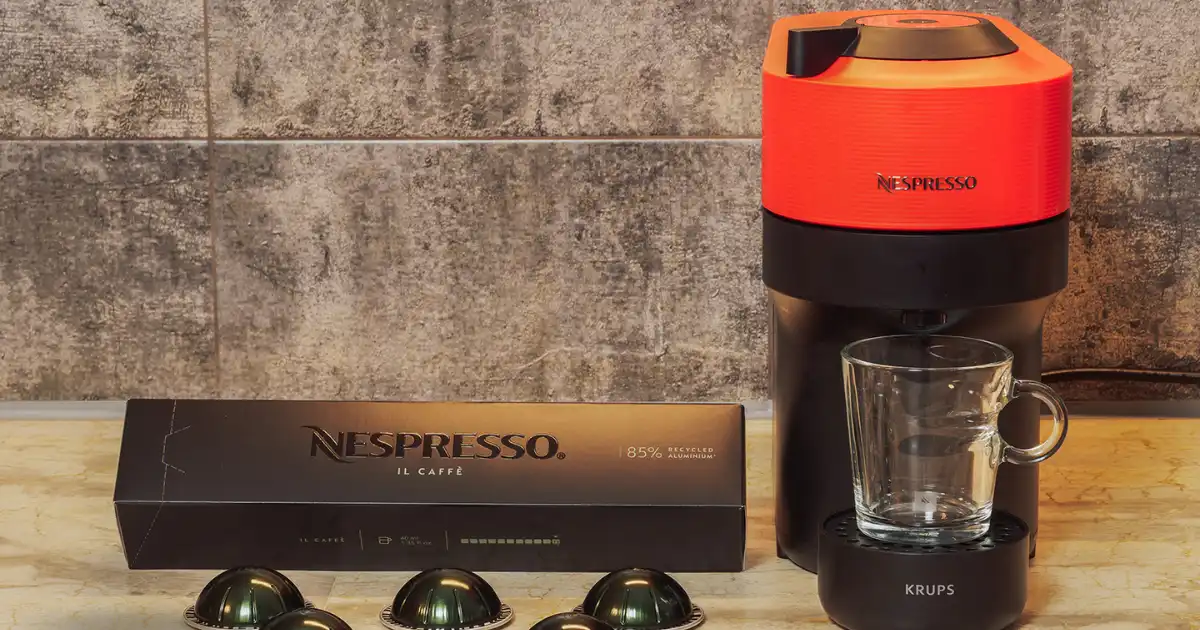
A Nespresso Vertuo machine is surprisingly low maintenance, but that does not mean maintenance is optional. These machines work by spinning capsules at very high speed, and over time coffee oils, water minerals, and residue slowly build up inside the system. 5 Essential Nespresso Vertuo Maintenance Tips
If you ignore that buildup, coffee quality drops and mechanical issues start appearing. In this guide I will walk through five maintenance habits that actually keep a Vertuo machine running smoothly and brewing consistently.
Why Regular Nespresso Vertuo Maintenance Matters
Most people think coffee machine cleaning is just about hygiene. In reality, it affects three things that you notice every single day: taste, reliability, and machine lifespan.
First is taste. Coffee oils naturally coat the inside of the brewing chamber and outlet. After a while those oils become rancid. When that happens, even fresh capsules start tasting slightly bitter or stale. I have seen people blame capsules when the real problem was a dirty machine.
Second is consistency. The Vertuo system reads barcodes on capsules and spins them at specific speeds. If water flow gets restricted by limescale buildup, the machine cannot brew at the right pressure and extraction becomes uneven.
Finally there is the lifespan of the machine. Scale buildup stresses internal pumps and heaters. Regular Nespresso Vertuo maintenance keeps those parts working under normal conditions instead of forcing them to fight mineral deposits every time you brew.
Run a Regular Cleaning Cycle
The cleaning cycle is the easiest maintenance step, but also the one people forget most often.
What it actually does is flush the internal brewing system with hot water. During brewing, small amounts of coffee residue remain inside the chamber and outlet nozzle. Over time that residue dries and sticks to the inside surfaces. The cleaning cycle pushes hot water through the system to wash those particles away before they accumulate.
Running the cleaning cycle is simple. Fill the water tank completely, place a large container under the coffee outlet, close the machine without inserting a capsule, and trigger the cleaning mode according to the machine model. The machine will run water through the system for several minutes.
In my experience, doing this once every week or two makes a noticeable difference. It prevents buildup rather than trying to remove heavy residue later.
When people skip the cleaning cycle for months, the first symptom is usually strange tasting coffee. The second symptom is slower flow or uneven brewing. I have also seen cases where dried coffee residue partially blocks the outlet nozzle, causing splashing or inconsistent cup size.
Think of the cleaning cycle as flushing the machine’s internal plumbing. It takes five minutes and prevents a lot of annoying problems later.
Descale Your Vertuo Machine Every Few Months
Descaling is one of the most important parts of Nespresso Vertuo maintenance, and also the one people delay the longest.
The problem is limescale buildup. When water heats up, dissolved minerals like calcium and magnesium form solid deposits. Those deposits stick to internal heating elements and water pathways inside the machine.
If you live in a hard water area, this buildup happens surprisingly fast.
At first you might not notice anything. Then small symptoms appear. Coffee may brew slower than normal. The machine may sound louder during brewing. Sometimes the cup volume becomes inconsistent.
Eventually the machine will trigger its descaling warning light.
A proper descaling cycle dissolves those mineral deposits using a descaling solution. The process typically involves filling the tank with the solution and water, running the descaling program, then rinsing the system thoroughly with clean water.
One mistake I see quite often is people trying to descale with vinegar. Vinegar is acidic, but it is not designed for coffee machines. It can leave strong odors and may not fully remove mineral buildup. Proper descaling solutions are formulated to dissolve scale efficiently without damaging internal components.
Another mistake is stopping the descaling cycle halfway because it seems long. That leaves residue in the system and defeats the purpose.
In most homes I recommend descaling every three to four months. If you use filtered water, you can sometimes stretch that a bit longer. But ignoring descaling for a year or more almost always leads to performance problems.
Clean Removable Parts Weekly
The removable parts of a Vertuo machine collect more mess than most people realize.
The drip tray, capsule container, water tank, and cup support all trap moisture and coffee residue. When left alone for weeks, that environment becomes perfect for odor buildup.
I have opened capsule containers that smelled like old coffee grounds mixed with damp cardboard. It is not pleasant.
Cleaning these parts once a week keeps things simple. Remove the drip tray and capsule bin, rinse them with warm water, and wash them with mild dish soap if needed. Coffee residue tends to stick around corners and seams, so a quick wipe with a sponge helps.
The water tank is another area people ignore. Mineral deposits and biofilm can slowly form inside it, especially if water sits there for long periods. A quick rinse and wipe prevents that.
Cup supports also collect splashes of coffee that dry into sticky spots. Those stains are harmless but look messy and can eventually smell if they stay wet.
Weekly cleaning takes only a few minutes but keeps the machine hygienic and prevents those small problems that slowly get worse when ignored.
Wipe the Brewing Head and Coffee Outlet
One place people rarely clean is the brewing head, which is actually where most coffee oils accumulate.
When the machine spins a capsule, tiny droplets of coffee spray inside the brewing chamber. Some of that liquid ends up around the outlet spout and the inner lid. Over time the oils dry into a thin sticky layer.
This layer affects brewing in subtle ways. It can slightly restrict the outlet opening or cause coffee to drip unevenly. More importantly, old coffee oils turn rancid. That stale smell eventually influences the flavor of new coffee.
Cleaning this area is simple but requires a gentle approach. Turn off the machine and let it cool. Open the head and use a soft damp cloth or paper towel to wipe the interior surfaces you can safely reach. Avoid using sharp tools or anything abrasive.
Pay attention to the coffee outlet nozzle as well. If you see dark residue there, wipe it gently.
In machines that have not been cleaned for months, I sometimes see thick oily buildup around the outlet. Once removed, the difference in smell and taste can be surprisingly noticeable.
Use Filtered Water and Good Daily Habits
Many maintenance issues start with everyday habits.
One of the biggest factors is the type of water you use. Tap water with high mineral content accelerates limescale buildup inside the machine. Using filtered water significantly slows this process and reduces how often you need descaling.
Another habit that helps is removing used capsules after brewing. Leaving capsules inside the machine allows moisture and coffee residue to sit in the brewing chamber. That encourages odor and residue buildup.
It also helps to empty the capsule container regularly. When it becomes overfilled, used capsules can block the ejection system or trap extra moisture.
Drying the water tank and drip tray after washing is another small step that prevents musty smells. Machines that stay damp inside their removable parts often develop unpleasant odors over time.
These daily habits seem minor, but together they reduce the workload of larger maintenance tasks and keep the machine cleaner between deeper cleanings.
Common Nespresso Vertuo Maintenance Mistakes
One common mistake is ignoring the descaling light. Many people continue brewing for months after the machine warns them. The machine will still function, but mineral deposits keep building and eventually reduce performance.
Another mistake is using vinegar for descaling. While it sounds like a convenient home solution, it often leaves strong smells and does not remove scale as effectively as proper descaling products.
I also see people neglect the capsule container and drip tray. These areas become surprisingly dirty and can create strong odors if left unwashed.
Finally, some users assume the cleaning cycle replaces physical cleaning. It does not. The cleaning cycle flushes internal parts, but removable components still need manual washing.
Avoiding these mistakes keeps Nespresso Vertuo maintenance simple and prevents most long term issues.
Simple Nespresso Vertuo Maintenance Schedule
| Maintenance Task | Recommended Frequency |
|---|---|
| Cleaning cycle | Every 1–2 weeks |
| Clean drip tray and capsule container | Weekly |
| Clean water tank | Weekly |
| Wipe brewing head and outlet | Every 1–2 weeks |
| Descaling | Every 3–4 months |
Following a simple schedule like this keeps the machine running smoothly without needing constant attention.
You Might Be Interested In
- How Do I Descale My Nespresso Essenza Coffee Machine?
- Do Nespresso Pods Expire?
- Are Bunn Coffee Makers Good?
- Nespresso Vertuo Vs Original Line: 7 Key Differences
- Which Coffee Machine Does Starbucks Use?
Conclusion
A Nespresso Vertuo machine is designed to be convenient, but convenience does not mean it can run forever without care. Coffee oils, moisture, and mineral deposits slowly accumulate inside the machine, and ignoring that buildup eventually affects taste, brewing consistency, and reliability.
The good news is that proper Nespresso Vertuo maintenance is simple. A few small habits like running cleaning cycles, descaling on time, and washing removable parts regularly can keep the machine brewing great coffee for years without major problems.