


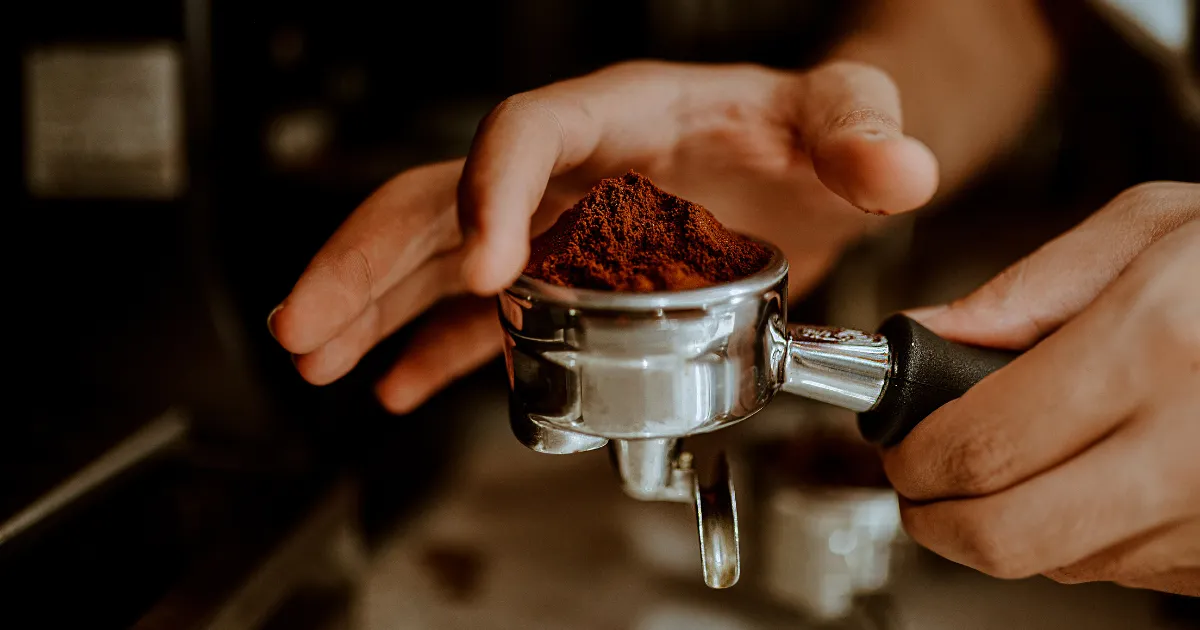
Coffee has long been celebrated as one of the most consumed beverages in the world, and Colombia holds a special place in the global coffee industry. Known for its rich aroma, smooth flavor, and well-balanced profile, Colombian coffee is often described as the “crown jewel” of Arabica beans.
But beyond the taste and cultural significance, there’s a practical question that matters to coffee drinkers everywhere: How much caffeine in Colombian coffee?
Understanding the caffeine content is essential for those who drink coffee daily, whether for energy, productivity, or simply the joy of a freshly brewed cup. This guide dives deep into the science, preparation methods, cultural context, and health considerations of caffeine in Colombian coffee, providing you with everything you need to know.
What Makes Colombian Coffee Unique?
The Role of Geography
Colombia’s geography plays a critical role in shaping the flavor and caffeine profile of its beans. The country’s coffee-growing regions are located in the “Coffee Belt,” where high altitudes, volcanic soil, and consistent rainfall create the perfect conditions for Arabica coffee. Arabica beans, which are the primary type grown in Colombia, naturally contain less caffeine than Robusta beans.
Arabica vs. Robusta: Why It Matters
To understand caffeine in Colombian coffee, it’s important to compare Arabica and Robusta:
-
Arabica Beans (Colombian standard):
1.2% caffeine content on average.
-
Robusta Beans:
2.2% caffeine content on average.
Since Colombian coffee is almost exclusively Arabica, it tends to have a milder, smoother flavor with less bitterness and slightly lower caffeine levels compared to Robusta-heavy blends.
How Much Caffeine in Colombian Coffee?
Average Caffeine Content
On average, an 8-ounce (240 ml) cup of Colombian coffee contains 95–120 milligrams of caffeine. The exact amount depends on several factors, including bean variety, brewing method, and serving size.
To put it simply:
- Single Espresso Shot (Colombian Arabica): 60–70 mg of caffeine.
- 8 oz Drip Brew (Colombian Arabica): 95–120 mg of caffeine.
- Cold Brew Concentrate (Colombian Arabica): 150–200 mg of caffeine per 8 oz.
Factors That Influence Caffeine Levels
1. Roast Level
A common misconception is that darker roasts contain more caffeine. In reality, lighter roasts preserve slightly more caffeine because roasting reduces density. Therefore, if you’re drinking Colombian light roast, you may consume marginally more caffeine than in a dark roast.
2. Brewing Method
-
Espresso:
Concentrated but served in smaller portions.
-
French Press:
Often stronger, with oils and more caffeine per ounce.
-
Cold Brew:
Steeped longer, generally higher in caffeine.
-
Drip Coffee:
Standard method with balanced caffeine extraction.
3. Grind Size and Water Ratio
Finer grinds expose more surface area, allowing greater caffeine extraction. Similarly, using more coffee grounds per cup increases the final caffeine content.
Comparing Caffeine in Colombian Coffee With Other Coffees
Colombian vs. Ethiopian Coffee
Ethiopian beans, often grown at higher altitudes, can sometimes match or slightly exceed Colombian caffeine levels. However, the flavor is usually fruitier compared to Colombia’s nutty, caramel-like notes.
Colombian vs. Brazilian Coffee
Brazilian coffee often mixes Arabica and Robusta, giving it higher caffeine content per serving. Colombian coffee, being mostly Arabica, is smoother and slightly lower in caffeine.
Colombian vs. Generic Blends
Commercial blends often use Robusta beans for cost efficiency, leading to higher caffeine content but more bitterness compared to the balanced taste of Colombian coffee.
Health Effects of Caffeine in Colombian Coffee
Benefits of Moderate Consumption
-
Boosts Alertness:
Helps improve focus and reduce fatigue.
-
Rich in Antioxidants:
Colombian coffee delivers polyphenols that protect against free radicals.
-
Supports Metabolism:
Caffeine may aid in fat metabolism and weight management.
Potential Side Effects of Excess Intake
While Colombian coffee is milder compared to Robusta-heavy varieties, too much caffeine can still lead to:
- Anxiety and restlessness
- Insomnia
- Increased heart rate
- Digestive issues
Recommended Daily Limit
Health organizations suggest a maximum of 400 mg of caffeine per day for most adults. This translates to about 3–4 cups of Colombian coffee, depending on strength.
Cultural Significance of Caffeine in Colombian Coffee
Coffee and Colombian Identity
Colombia’s economy and culture are intertwined with coffee production. Coffee farms, known as “fincas,” dot the landscapes, and coffee is a daily ritual for Colombians. The caffeine content isn’t just about energy—it’s part of tradition, conversation, and hospitality.
Specialty Coffee and Global Recognition
Colombian coffee is often certified as single-origin, ensuring quality and authenticity. Specialty coffee drinkers worldwide value the balance of flavor and caffeine, making it a global benchmark.
Practical Tips for Controlling Caffeine in Colombian Coffee
If You Want More Caffeine
- Choose a lighter roast.
- Opt for cold brew or espresso-based drinks.
- Use a finer grind for stronger extraction.
If You Want Less Caffeine
- Select a dark roast Colombian coffee.
- Brew with coarser grounds.
- Mix half-caf (half regular, half decaf Colombian coffee).
- Switch to decaf Colombian coffee, which still contains about 3–7 mg of caffeine per cup.
You Might Be Interested In
- Does Decaf Coffee Have Caffeine?
- What Is a Cortado Coffee?
- How To Brew Coffee Without a Filter?
- How to Use Secura Stainless Steel French Press Coffee Maker?
- Does Mushroom Coffee Help You Lose Weight?
Conclusion
The question of how much caffeine in Colombian coffee doesn’t have a single answer—it varies depending on the roast, brewing method, and serving size. On average, though, an 8-ounce cup provides between 95–120 milligrams of caffeine, making it an excellent balance of energy boost and smooth flavor.
Colombian coffee, with its unique growing conditions and cultural heritage, is celebrated not just for its taste but also for its well-rounded caffeine profile. Unlike Robusta-heavy blends, it offers a more moderate caffeine punch without overwhelming bitterness.
For health-conscious coffee drinkers, Colombian coffee delivers antioxidants, mental alertness, and metabolic benefits, all while keeping caffeine intake within manageable levels.
Whether you’re looking to maximize your energy or simply savor the rich, nutty notes of a perfectly brewed cup, Colombian coffee is a reliable choice. The caffeine in Colombian coffee is enough to energize your day but gentle enough to enjoy multiple cups without crossing into overconsumption.
FAQs
How much caffeine is typically found in a cup of Colombian coffee?
A standard 8-ounce cup of Colombian coffee generally contains about 80 to 120 milligrams of caffeine. The exact amount depends on several factors such as the brewing method, grind size, and roast level.
Colombian beans are primarily Arabica, which naturally contains less caffeine than Robusta beans, making them smoother and less bitter while still offering a satisfying boost of energy.
It’s worth noting that espresso made from Colombian coffee beans has a higher caffeine concentration per ounce, but since servings are smaller, the overall caffeine per shot (about 60–70 mg) is lower than a full cup of brewed coffee. So when asking how much caffeine in Colombian coffee, the answer depends largely on preparation style and serving size.
Does Colombian coffee have more caffeine than other types of coffee?
Colombian coffee does not necessarily have more caffeine than other types. In fact, because Colombia mainly grows Arabica beans, it usually has slightly less caffeine compared to Robusta-based coffees.
Arabica beans contain about 1.2% caffeine by weight, whereas Robusta beans can contain up to 2.7%. This difference is why Robusta coffee tends to taste stronger and more bitter.
That said, Colombian coffee is prized for its balanced flavor, smooth acidity, and aromatic notes, not for extreme caffeine strength. If your main goal is maximizing caffeine, other origins or Robusta-heavy blends may deliver higher levels.
However, if you’re seeking a flavorful cup with a moderate and enjoyable caffeine lift, Colombian beans strike the perfect balance.
How does brewing method affect caffeine levels in Colombian coffee?
Brewing method is one of the biggest factors in determining how much caffeine in Colombian coffee ends up in your cup. For example, a French press or drip brew extracts more caffeine due to longer steep times, often resulting in 95–120 mg per cup.
Espresso, while stronger in concentration, usually contains about 60–70 mg per shot since the serving size is much smaller. Cold brew, on the other hand, can deliver very high caffeine levels—sometimes exceeding 150 mg per serving—because of extended steeping and higher coffee-to-water ratios.
So even if you use the same Colombian beans, the brewing method will greatly influence the caffeine content. For those who want a lighter caffeine kick, methods like pour-over with less coffee per gram can reduce intake, while cold brew and French press will maximize extraction.
Does roast level change the caffeine content of Colombian coffee?
There’s a common myth that dark roast Colombian coffee has more caffeine than light roast, but in reality, roast level doesn’t dramatically change total caffeine content. Light roasts actually retain slightly more caffeine by weight because they lose less mass during roasting, while dark roasts taste bolder but may contain marginally less caffeine per gram.
However, because dark roasted beans are less dense, you may scoop more volume when measuring by the spoonful, which balances the difference. Ultimately, whether you prefer a light, medium, or dark roast, the caffeine levels in Colombian coffee remain within the same general range, and taste preference often plays a bigger role than caffeine differences.
How much Colombian coffee is safe to drink per day?
Most health experts recommend limiting caffeine intake to about 400 mg per day for healthy adults. Since a typical cup of Colombian coffee contains 80–120 mg of caffeine, this translates to about 3–4 cups per day, depending on brewing style and individual sensitivity. Pregnant individuals, people with certain health conditions, or those sensitive to caffeine should aim for significantly less and consult their healthcare provider.
Drinking Colombian coffee in moderation not only helps you stay within safe caffeine limits but also lets you enjoy the complex flavors that make it one of the world’s most beloved coffee origins. If you want the taste without the jitters, decaf Colombian coffee is also widely available, though even decaf may contain trace amounts of caffeine.