


For many of us, a morning cup of coffee is an essential part of our daily routine. Krups coffee makers have become a popular choice for coffee enthusiasts, offering convenience and great-tasting coffee. However, to ensure that your Krups coffee maker consistently delivers the best brew, it’s crucial to keep it clean and well-maintained.
Cleaning your Krups coffee maker is a straightforward process, but it’s easy to overlook the importance of regular maintenance. Neglecting this can lead to a buildup of coffee residue, mineral deposits, and other impurities that can affect the taste of your coffee and the performance of your machine.
In this comprehensive guide, we’ll walk you through the step-by-step process of cleaning your Krups coffee maker, ensuring it continues to produce delicious coffee. We’ll also address five frequently asked questions to help you maintain your coffee maker effectively.
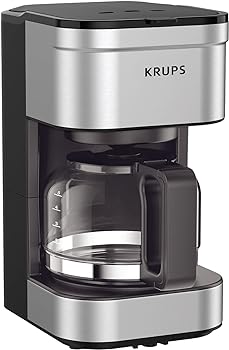
How To Clean Krups Coffee Maker
Step-by-Step Guide to Cleaning Your Krups Coffee Maker
1. Gather Your Supplies
Before you begin the cleaning process, make sure you have all the necessary supplies on hand.
You’ll need:
- Krups coffee maker
- White vinegar
- Water
- A clean, lint-free cloth
- A soft brush or toothbrush
- A paper towel or coffee filter
- Mild dish soap
- A sink or a large bowl
2. Prepare Your Coffee Maker
Ensure your Krups coffee maker is unplugged and completely cool before you start cleaning. Remove any leftover coffee grounds from the filter basket, empty the drip tray and coffee pot, and discard any used coffee filters.
3. Cleaning the Exterior
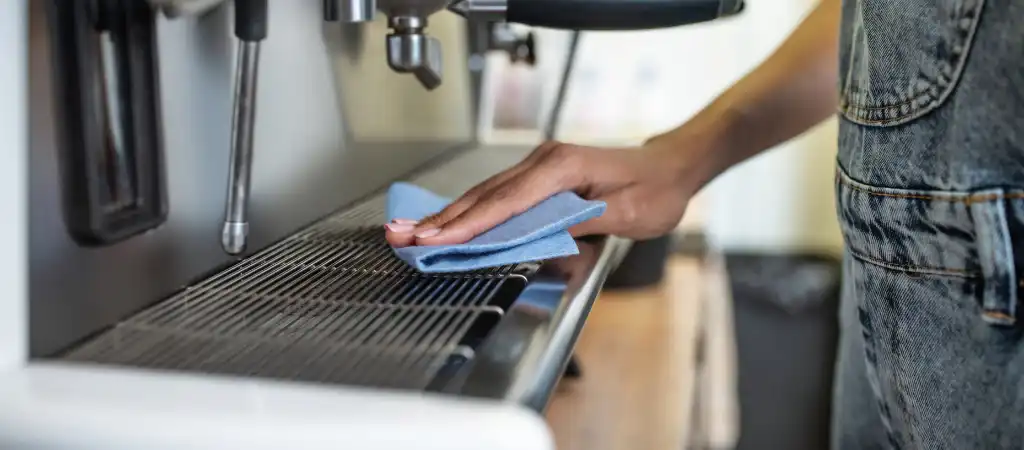
Wipe down the exterior of the coffee maker using a damp, clean cloth with a mixture of mild dish soap and water. This will remove any surface dirt, stains, or coffee splatters. Be careful not to let any water enter the internal components of the machine.
4. Cleaning the Carafe and Filter Basket
a. Remove the carafe and filter basket. Wash them with warm, soapy water, and rinse thoroughly. You can also place them in the dishwasher if they are dishwasher-safe. If there are coffee stains that are difficult to remove, you can use a mixture of baking soda and water to scrub them.
b. To clean the coffee pot’s spout, fill it with a mixture of equal parts white vinegar and water. Allow it to sit for 15-20 minutes to dissolve mineral deposits, then rinse it thoroughly.
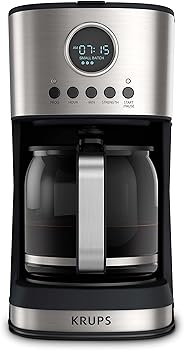
5. Descaling Your Krups Coffee Maker
Descaling is an essential step to remove mineral buildup, particularly if you live in an area with hard water. The buildup of minerals like calcium and magnesium can affect the performance and taste of your coffee.
Here’s how to describe your Krups coffee maker:
- Mix a solution of equal parts white vinegar and water, enough to fill the water reservoir of your coffee maker.
- Pour the vinegar-water mixture into the water reservoir.
- Turn on the coffee maker and allow it to run a brew cycle with the vinegar solution. Do not add coffee grounds during this cycle. The acidity of vinegar will help dissolve mineral deposits in the internal components.
- After the brew cycle is complete, empty the carafe and rinse it thoroughly. Then, fill the water reservoir with clean water and run a few brew cycles to flush out any remaining vinegar residue. This ensures that your coffee won’t have a vinegar taste.

6. Cleaning the Coffee Maker’s Internal Parts
- For the coffee maker’s internal components, including the water reservoir, coffee filter holder, and drip tray, you can use a soft brush or toothbrush to gently scrub away any residue. Be cautious not to scratch or damage any components.
- Check the coffee filter holder for any clogs or blockages. If you notice a buildup, carefully remove it using the brush.
7. Clean the Heating Element
Mineral deposits can also accumulate on the heating element, affecting the machine’s ability to brew at the right temperature.
Here’s how to clean it:
- Unplug the coffee maker and allow it to cool completely.
- Carefully remove any loose deposits on the heating element using a soft brush or toothbrush.
- Dampen a cloth or paper towel with a mixture of equal parts water and white vinegar. Gently wipe down the heating element. Avoid dripping excess liquid into the coffee maker.

8. Cleaning the Drip Tray and Reservoir
- The drip tray and reservoir can accumulate coffee residue and mineral deposits. Clean them with a cloth dampened with the vinegar-water solution.
- Rinse both the drip tray and reservoir thoroughly with clean water to remove any remaining vinegar.
9. Reassemble Your Coffee Maker
Once you’ve cleaned all the components, reassemble your Krups coffee maker. Make sure everything is properly in place, including the carafe, filter basket, and any other removable parts.
10. Test Your Coffee Maker
Before brewing a fresh pot of coffee, run a cycle with clean water (without coffee grounds) to ensure that all traces of vinegar and debris are removed. This helps prevent any unwanted flavors from affecting your coffee.
Now that you’ve successfully cleaned your Krups coffee maker, it’s time to address some common questions related to its maintenance.
Conclusion
Your Krups coffee maker is an essential appliance in your kitchen, providing you with the perfect cup of coffee day after day. Regular maintenance and cleaning are vital to ensure it continues to perform at its best and consistently delivers delicious coffee. By following the step-by-step guide provided in this article and addressing the frequently asked questions, you can keep your Krups coffee maker in excellent condition for years to come.
Taking the time to clean and maintain your coffee maker not only improves the quality of your brew but also extends the lifespan of your machine. So, don’t procrastinate; give your Krups coffee maker the attention it deserves, and enjoy that perfect cup of coffee every morning.
You Might Be Interested In
- How to Use a Compact Electric Milk Frother: A Step-by-Step Guide
- How To Operate A Cuisinart Coffee Maker?
- How to Use a Keurig?
- How To Use De Longhi Espresso Machine?
- How Do You Use A Hamilton Beach Coffee Maker?
Frequently Asked Questions
How often should I clean my Krups coffee maker?
It’s recommended to clean your Krups coffee maker after every use, at a minimum. Additionally, perform a descaling process with white vinegar every 1-2 months, depending on the hardness of your water. If you notice a decrease in coffee quality or the machine’s performance, clean it more frequently.
Can I use other cleaning solutions instead of white vinegar for descaling?
While white vinegar is a commonly used and effective descaling agent, you can also use commercially available coffee maker descaling solutions. Just follow the manufacturer’s instructions for these products. Alternatively, citric acid mixed with water can also work as a descaling solution.
Is it safe to clean the carafe and filter basket in the dishwasher?
Many Krups coffee maker carafes and filter baskets are dishwasher-safe. However, check the manufacturer’s instructions or the user manual for your specific model to ensure compatibility with the dishwasher. Handwashing is an alternative if your components are not dishwasher-safe.
Can I use a different type of brush for cleaning the internal components?
You can use a soft brush or toothbrush to clean the internal components effectively. Ensure that the brush is clean and free from any debris to prevent contamination. Avoid using abrasive or hard brushes that could scratch or damage the coffee maker’s parts.
What should I do if my coffee maker has a clog or is not functioning properly even after cleaning?
If you’ve cleaned your Krups coffee maker thoroughly and it’s still not working correctly, you may need to consult the user manual or contact Krups customer support for troubleshooting tips. In some cases, professional servicing might be necessary to address internal issues.