


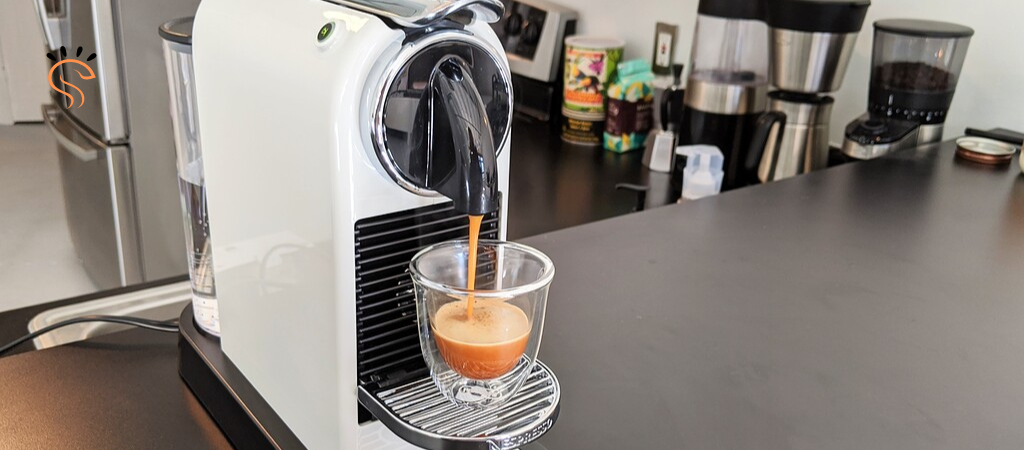
If you own a Nespresso Essenza Mini, you already know how convenient the machine is. Small footprint, quick heat-up, and consistent espresso. But like any coffee machine that heats water, it slowly collects mineral deposits inside. Over time, those minerals turn into a chalky crust called scale.
Most people do not notice it immediately. The coffee still comes out, the machine still hums, and everything seems fine. But behind the scenes the pump is working harder, the water flow becomes less consistent, and the flavor slowly starts to dull. How To Clean Nespresso Essenza Mini With Vinegar?
One of the most common home solutions people reach for is vinegar. It is cheap, easy to find, and surprisingly effective at dissolving mineral buildup. I have cleaned plenty of small espresso machines this way over the years, especially when someone does not have a commercial descaling product on hand.
That said, vinegar cleaning is one of those things people often do slightly wrong. Too strong a mixture, not enough rinsing, or skipping a step can leave the machine smelling like a salad dressing factory.
So in this guide I will walk through how the process actually works, when vinegar cleaning makes sense, and how to do it safely with a Nespresso machine like the Essenza Mini.
Why Cleaning Your Nespresso Essenza Mini Is Important.
The first is mineral scale. If your tap water contains calcium or magnesium, heating it inside the machine leaves behind tiny mineral deposits. Over weeks and months these deposits harden into scale along the internal water lines and heating element.
In a compact machine like the Essenza Mini, the water pathways are quite small. It does not take much scale to begin restricting flow. When that happens, you might notice slower brewing, inconsistent shot volume, or louder pump noise.
The second problem is coffee oil residue.
Even though the Essenza Mini uses capsules, coffee oils still pass through the brewing chamber and nozzle. Over time those oils oxidize and develop a stale smell. That stale oil can affect the taste of your espresso more than most people realize.
When both of these issues combine, you get several symptoms:
-
Coffee tastes dull or slightly bitter
-
The machine sounds louder while brewing
-
Water flow becomes uneven
-
Shots run shorter or longer than expected
Ignoring scale for too long can also shorten the lifespan of the pump and heating element. Small espresso machines rely on pressure to work properly. When mineral buildup restricts water flow, the pump compensates by working harder.
Cleaning your machine regularly prevents all of that. The coffee tastes better, the pressure stays consistent, and the machine simply lasts longer.
Can You Clean Nespresso Essenza Mini With Vinegar?
Yes, you can clean the Essenza Mini with vinegar. The reason it works comes down to simple chemistry.
Vinegar contains acetic acid, which reacts with mineral scale and dissolves it. Calcium carbonate, the main component of limescale, breaks down when exposed to mild acids.
When a vinegar solution runs through the machine, it slowly softens and loosens those deposits inside the water lines and heating chamber.
However, there is a reason manufacturers like Nespresso often recommend their own descaling solution instead.
First, it leaves a strong smell that can linger if the machine is not rinsed thoroughly. Second, very strong vinegar solutions can be slightly harsh on rubber seals over time.
In real-world practice, a diluted vinegar solution used occasionally is generally safe, especially if you rinse the machine properly afterward.
The key is moderation. Vinegar works, but you should not run straight vinegar through the machine or do it too frequently.
What You Need Before Cleaning
You will need white distilled vinegar. This type is best because it is clear, consistent in acidity, and leaves fewer residues than other vinegars.
Next, you need fresh water for dilution and rinsing. If your tap water is very hard, filtered water works even better.
A large container or bowl is also useful. The Essenza Mini will dispense quite a bit of liquid during the cleaning cycle, so you need something large enough to catch it.
Finally, have a soft cloth or sponge ready. You will use this to wipe the exterior and removable parts once the internal cleaning is done.
Step-by-Step: How To Clean Nespresso Essenza Mini With Vinegar
Cleaning the machine is straightforward, but doing the steps in the right order matters.
Remove Capsule and Empty the Machine
Start by opening the machine and removing any used capsule inside.
Then empty the drip tray and the used capsule container. This step is simple, but it prevents dirty water from overflowing while you run the cleaning cycle.
I have seen people skip this step and end up with a small lake of coffee water on the kitchen counter.
Wash the Removable Parts
Take out the drip tray, capsule container, and water tank.
Wash these parts with warm water and a little dish soap. Coffee oils tend to collect in the drip tray area, and cleaning it removes that stale smell that sometimes builds up.
Rinse everything well and leave the parts aside to dry.
Prepare the Vinegar Cleaning Solution
This is where people often make their first mistake.
Do not use straight vinegar.
Instead, mix one part white vinegar with two parts water. This dilution is strong enough to dissolve mineral scale without being overly harsh on the machine components.
Pour this mixture into the water tank.
Run the Cleaning Cycle
Place a large container under the coffee outlet.
Turn on the Nespresso Essenza Mini and start a normal brew cycle without inserting a capsule.
Allow the machine to run until about half of the vinegar solution has passed through the system.
This pushes the solution through the internal water lines and begins dissolving scale.
Let the Vinegar Sit Inside the Machine
Once half the solution has run through, stop the machine and let it sit for about 15 to 20 minutes.
This pause is important.
The vinegar needs time to react with the mineral deposits. Running it through too quickly reduces its effectiveness.
Think of it like soaking a kettle with scale. Time helps the acid break things down.
Rinse the Machine With Fresh Water
After the soaking period, run the remaining vinegar solution through the machine.
Then remove the water tank, rinse it thoroughly, and fill it with clean water.
Run at least two full tanks of fresh water through the machine. This step removes vinegar residue and prevents any sour taste from lingering.
In my experience, one rinse is rarely enough. Two or three rinses make a big difference.
Wipe the Machine and Reassemble
Finally, wipe down the exterior with a damp cloth.
Reinstall the drip tray, capsule container, and water tank once they are dry.
At this point the machine should smell neutral again and be ready for normal brewing.
How Often Should You Clean Your Nespresso Essenza Mini?
First is how often you use the machine. If you brew several capsules per day, scale will accumulate faster. Second is water hardness. Hard water leaves minerals behind much more quickly than soft or filtered water. As a general rule, most home users should descale their machine every two to three months.
If you use filtered water and make only a few cups per week, you may stretch that to four months.On the other hand, if your tap water is very hard and the machine runs daily, cleaning every six to eight weeks can make sense.
Your machine will often give subtle hints when it needs attention. Slower brewing and louder pump noise are common signs.
Tips To Keep Your Nespresso Essenza Mini Clean Longer
A few simple habits can dramatically reduce buildup inside the machine:
- The most effective habit is using filtered water instead of hard tap water. Less mineral content means less scale forming inside the heating chamber.
- Another good practice is running a blank water cycle once in a while. Just run hot water through the machine without a capsule. This flushes out coffee oils before they accumulate.
- Also try to empty the drip tray regularly. When the tray sits full of coffee residue for days, the smell spreads into the machine housing.
- Finally, wipe the nozzle area occasionally. Coffee splashes can collect around the outlet and slowly develop a sticky film.
Vinegar vs Nespresso Descaling Solution
- Commercial descaling solutions made by Nespresso are specifically designed for their machines. They contain acids that dissolve scale efficiently while producing less odor than vinegar.
- The advantages of vinegar are obvious. It is cheap, widely available, and effective for light to moderate buildup.
- However, descaling solutions usually rinse out faster and leave no smell behind.
- In my experience, vinegar works fine for occasional home cleaning. But if the machine has heavy scale buildup, a proper descaling solution can be more effective.
- Think of vinegar as the practical household option and descaling solution as the manufacturer approved tool.
Common Mistakes To Avoid When Cleaning
One of the biggest mistakes people make is using pure vinegar. Straight vinegar is stronger than necessary and increases the chance of lingering odor.
Another common problem is not rinsing enough afterward. Vinegar can cling to internal surfaces, and insufficient rinsing leaves the next few cups tasting strange.
Some people also try to clean the machine too aggressively. Running multiple vinegar cycles back to back is unnecessary and may stress the internal seals.
Skipping the soaking step is another mistake. Without that pause, the vinegar simply passes through the system without dissolving much scale.
Lastly, people sometimes forget to wash the removable parts separately. Internal cleaning does nothing for coffee oils sitting in the drip tray or capsule container.
You Might Be Interested In
- How To Turn Off Nespresso Essenza Mini?
- How to Effectively Use a Tiny Milk Frother
- 7 Best Nespresso Vertuo Coffee Blends To Try
- How Often Should I Clean My Nespresso Vertuoplus?
- Best 7 Nespresso Vertuo-compatible Pods Alternatives
Conclusion
Cleaning your Nespresso Essenza Mini with vinegar is a simple and practical way to remove mineral buildup and keep the machine working properly. The key is using a diluted solution, letting it sit long enough to dissolve scale, and rinsing the system thoroughly afterward. When done correctly, it restores normal water flow and helps your espresso taste the way it should.
In the long run, regular maintenance matters more than the specific cleaning method. Whether you choose vinegar or a commercial descaling solution, keeping the machine clean prevents pressure issues, improves flavor, and extends the life of the pump and heating system. A few careful cleaning sessions each year can keep the Essenza Mini running smoothly for a long time.
FAQs
Can I use vinegar to descale my Nespresso Essenza Mini?
Yes, you can use vinegar to descale the Nespresso Essenza Mini, and many home users do exactly that when they do not have a commercial descaling solution available. Vinegar contains acetic acid, which reacts with mineral scale and slowly dissolves the calcium deposits that build up inside the machine’s internal water system. When used in a diluted form and followed by proper rinsing, it can remove light to moderate scale buildup quite effectively.
That said, vinegar should be treated as a practical household option rather than the ideal manufacturer method. In my experience, it works well for occasional cleaning, but it is important not to overuse it. Strong vinegar solutions or very frequent cleaning can leave a lingering smell and may stress internal rubber seals over time. Used carefully every few months, though, it can be a perfectly reasonable way to keep the machine running smoothly.
What type of vinegar should I use to clean my Nespresso machine?
The best option is plain white distilled vinegar. It is clear, consistent in acidity, and widely used for household cleaning because it leaves fewer residues behind. White vinegar typically contains around five percent acetic acid, which is strong enough to break down mineral scale but still mild enough for occasional use in coffee machines when diluted with water.
Avoid using apple cider vinegar, wine vinegar, or flavored vinegars. These contain additional compounds and pigments that can leave unwanted smells or even slight staining inside plastic components. When cleaning a compact machine like the Nespresso Essenza Mini, simplicity matters. Plain white distilled vinegar is predictable, inexpensive, and easy to rinse out after the cleaning cycle.
How many times should I rinse the machine after using vinegar?
Rinsing thoroughly is one of the most important parts of the entire process. After running the vinegar solution through the machine, you should flush at least two full tanks of fresh water through the system. This pushes out any remaining vinegar and helps remove the smell that can linger inside the heating chamber and internal tubing.
In real-world practice, I often recommend running three rinse cycles if the vinegar smell is still noticeable. Small espresso machines have narrow internal water paths, so even a small amount of leftover vinegar can affect the taste of the next few cups. Running extra water through the Nespresso Essenza Mini may feel repetitive, but it makes a big difference in restoring a neutral taste.
Will vinegar damage my Nespresso Essenza Mini?
When diluted properly and used occasionally, vinegar is unlikely to damage the machine. The acetic acid concentration in household vinegar is fairly mild, especially when mixed with water, and it is strong enough to dissolve mineral scale without aggressively attacking metal components. Many people have cleaned small espresso machines this way for years without issues.
Problems usually happen when people use straight vinegar or run repeated cleaning cycles back to back. Strong acidic solutions sitting inside the machine for long periods can potentially affect rubber seals or leave a stubborn odor behind. As long as the solution is diluted, the soaking time is limited, and the machine is rinsed thoroughly, the Nespresso Essenza Mini generally handles the process without trouble.
Why does my coffee taste strange after cleaning?
If your coffee tastes sour, sharp, or slightly off after cleaning, the most common cause is leftover vinegar inside the machine. Even a small amount trapped in the internal water lines can affect the flavor of the next few cups. This is especially noticeable with espresso because the flavor is concentrated and any contamination becomes obvious.
The solution is simple. Run additional rinse cycles using fresh water until the smell of vinegar completely disappears. Sometimes it takes two rinses, sometimes three. After the system is fully flushed, the taste should return to normal. If the flavor still seems odd, running one or two blank water cycles through the Nespresso Essenza Mini usually clears out the last traces of cleaning solution.
2 Comments
Great guide! Cleaning your Nespresso Essenza Mini with vinegar is such a smart and eco-friendly tip. It’s really helpful to know how to maintain the machine for the best coffee experience. Thanks for sharing!
Great tips! Cleaning the Nespresso Essenza Mini with vinegar is such an easy and effective way to maintain its performance. I love how eco-friendly and cost-effective this solution is. Thanks for sharing this helpful guide!