


If you’ve ever wandered the aisles of a Costco warehouse and eyeballed the big bags of Kirkland Signature coffee, you’re not alone. A lot of folks ask, Who makes Kirkland Colombian Coffee? It’s one of the more mysterious questions in the coffee world partly because Costco, like many big‑box retailers, doesn’t own its own roasters or farms. Instead, it works with outside partners and keeps the branding simple: Kirkland Signature.
In this article I’m going to break down what’s behind that label, who actually roasts and blends the coffee, where the beans come from, and how all of that matters to you as someone grinding beans at home.
I’ve spent a lot of time tasting coffee from Costco from their Colombian Supremo whole bean to the dark roast ground cans and I’ve dug into how these supply chains work in the real world, not just how companies say they work in brochures. Let’s get into it.
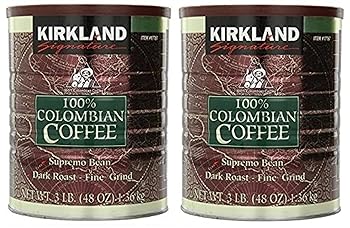
What Is Kirkland Colombian Coffee?
When you grab a bag labeled “Kirkland Signature Colombian Coffee,” you’re holding Costco’s private‑label Colombian coffee product.
Costco sells a few versions of this: whole bean, ground dark roast, and occasionally single‑serve options all under the Kirkland Signature banner. At its core, it’s supposed to be 100% Colombian Arabica beans roasted to a profile that pairs well with everyday brewing.
From a consumer standpoint, imagine a straightforward, classic Colombian coffee: nutty, smooth, a bit sweet, and not screaming with acidity or funky fruit like some specialty coffees. It’s not trying to be a micro‑lot single farm espresso bean. It’s everyday coffee meant to be reliable at an everyday price.
Who Actually Roasts Kirkland Colombian Coffee?
This is the heart of the question: Who makes Kirkland Colombian Coffee? The quick answer is that Costco does not roast nor source the beans itself. Kirkland is a private label, and Costco contracts experienced coffee companies to source and roast the beans for them.
Costco’s Role as a Private Label
Costco’s approach with Kirkland Signature is pretty simple: they set quality standards, negotiate price and volume, then hand that brief to established coffee producers and roasters. Costco has no factory where they roast coffee. They are in the business of buying in bulk and selling at a margin that members feel good about.
What this means in practice is that the bag you bring home has the Kirkland name, but the people handling the beans from farm to roast are specialists. Costco chooses partners with expertise rather than trying to build that expertise in‑house.
Known Partner Roasters
Over the years, several companies have been linked to various Kirkland coffee products:
-
Green Mountain Coffee Roasters / Keurig Dr Pepper
For K‑Cup and single‑serve options, Green Mountain has long been a partner. If you buy Kirkland K‑Cups, you’ll often see Green Mountain branding or evidence of their involvement.
-
Rogers Family Company
This is a specialty roaster that’s been connected particularly with origin‑specific coffees like Colombian Supremo. Rogers has good relationships with farms and cooperatives and knows how to handle single‑origin beans well.
In practice, this means the Kirkland Colombian coffee manufacturer can vary over time, sometimes even within the same product line. One vintage of beans might be roasted by one partner, and another batch later by a different one. That’s common in private label deals, especially when supply chains get tight.
Where Are the Beans Sourced From?
“Colombian” on the label isn’t just marketing fluff. For the main Colombian products, the beans come from Colombia, the world’s most famous Arabica coffee homeland.
High altitudes, rich volcanic soil, and decades of coffee farming expertise make Colombia a go‑to for balanced, smooth beans.
Specifically:
-
The Colombian Supremo beans often referenced are a grade of coffee with larger bean size and more consistent flavor. These are grown in traditional Colombian coffee farms, mostly in the Andes region.
-
While Colombian origin is key for the main product, sometimes Costco adjusts sourcing slightly based on availability, demand, and pricing conditions. That’s true of almost all large‑scale coffee brands. But when it’s labeled “100% Colombian,” the intention is for all beans to originate from Colombia.
I’ve tasted these alongside similarly labeled products from other brands, and the profile tends to have the classic Latin American balance a hint of sweetness, nut and cocoa notes, and low bitterness when roasted properly.
How Costco Ensures Quality
Costco doesn’t rely on blind faith that its partners will do a good job. The company has quality checkpoints built into contracts and product specifications.
Based on what I’ve learned from packaging and industry norms:
-
Bean Selection Standards
Costco will specify a certain grade (like Supremo) and that beans must come from certified farms or cooperatives. Colombian growers are often certified by their national federation, helping ensure authenticity.
-
Roast Specifications
Costco may not roast itself, but it tells roasters how it wants the beans roasted dark, medium‑dark, etc. That ensures Costco gets a consistent flavor each time, at least within each vintage.
-
Sampling and Testing
Costco and its partners taste test batches to ensure they meet profile expectations. This is standard in the coffee world, and bulk retailers almost always set this up as part of their quality control.
From brewing many batches of Kirkland coffee at home, I can tell you that sometimes the flavor shifts slightly from batch to batch. That’s normal coffee is an agricultural product, and harvest variations are real. It’s why specialty roasters talk about seasons. But for the everyday drinker, most batches stay within a predictable range.
Different Kirkland Colombian Coffee Products
Costco doesn’t sell just one format of Colombian coffee.
The main ones you’ll commonly find are:
-
Whole Bean Colombian Supremo
This is the classic bag most purists prefer because whole beans retain freshness longer. It’s usually medium‑dark roast.
-
Ground Dark Roast Colombian Coffee
Pre‑ground and convenient for drip brewers, available in big 3‑lb cans.
-
K‑Cup Colombian and Blends
Single‑serve pods that may mix Colombian beans with other origins depending on the blend.
-
Occasional Decaf or Organic Variants
Some Costco warehouses get organic or decaf versions, though availability varies widely.
When you brew these in different styles French press, drip, espresso you’ll notice the Colombian beans generally have more balance and sweetness compared to generic blends.

How It Compares to Other Brands
People who love coffee will always debate quality, but here’s my honest take: Kirkland Colombian coffee quality is very good for the price, especially if you compare it to big retail brands.
It’s not specialty coffee the kind scored 85+ by professional graders but neither are most of the big supermarket brands. If you drop Kirkland Colombian next to a Folgers or Maxwell House, you’ll almost always prefer the Kirkland beans. If you put it next to a single‑origin specialty bag from a boutique roaster, that specialty roast may win on complexity and nuance. But you’re also paying three to four times more for that.
What matters for daily coffee drinkers is consistency and value. On both counts, Kirkland holds up nicely.
You Might Be Interested In
- Does Nespresso Vertuo plus make cappuccino?
- Does Nespresso Vertuoplus Make Regular Coffee?
- Which Nespresso Espresso Is The Strongest?
- Does Vertuo plus turn off?
- Can We Use Milk In Nespresso Machine?
Conclusion
So, Who makes Kirkland Colombian Coffee? The short answer is that Costco doesn’t do it itself. The Kirkland Colombian coffee manufacturer is a rotating cast of expert partners like Starbucks, Green Mountain, Rogers Family Company, and potentially others. Costco sets the specs, buys the beans, and brings you the coffee at a price that makes sense for bulk buyers.
For most people, what matters isn’t the logo on the bag but the cup in your hand. Kirkland Colombian coffee consistently delivers smooth, balanced coffee that holds up in drip machines, French presses, and pour‑overs.
It may not win any espresso tasting competitions, but it often outperforms similarly priced coffees from big retail brands. My practical takeaway: if you want good everyday Colombian coffee without paying premium specialty prices, Kirkland is worth trying.
FAQs
Is Kirkland Colombian Coffee 100% Arabica?
Yes, Kirkland Colombian Coffee is 100% Arabica. In my experience brewing it at home and comparing it side by side with other retail coffees, you can taste the difference that Arabica makes: smoother, sweeter, and less bitter than Robusta blends.
Arabica beans from Colombia tend to have subtle nutty or cocoa notes, and they develop complexity during roasting without harshness. Even though it’s a bulk product, the flavor profile generally reflects the care taken in sourcing quality Colombian beans rather than just filling a bag with generic coffee.
Being 100% Arabica also means it’s more versatile for different brewing methods. Whether you use a drip machine, French press, or even a pour-over, you get a consistent and balanced cup.
The consistency can vary slightly from batch to batch due to the nature of coffee as an agricultural product, but overall, Arabica beans ensure that Kirkland Colombian Coffee maintains a standard that most everyday drinkers find satisfying.
Is it fair trade or ethically sourced?
This is a bit more nuanced. While Kirkland Colombian Coffee is made from beans sourced in Colombia, not every bag is officially labeled as fair trade or certified organic. Costco works with reputable roasters who generally have ethical sourcing practices and partnerships with Colombian cooperatives, meaning the farmers are compensated fairly and sustainable practices are often encouraged. In my experience, this shows up in the flavor: beans handled responsibly tend to roast more evenly and produce a cleaner cup.
That said, if you are looking for official certifications, you need to check the packaging carefully. Some batches carry Fair Trade or Rainforest Alliance labels, while others rely on the roaster’s internal sourcing standards. Even without the label, the coffee usually comes from established Colombian farms that follow good agricultural and social practices. So ethically conscious consumers should read the labels, but the beans themselves are generally sourced with care and consistency.
Is the producer always Starbucks?
No, the producer is not always Starbucks. In past years, Starbucks was involved in roasting some Kirkland products, and the bags sometimes explicitly mentioned this.
However, in more recent packaging, the Starbucks name may not appear, and other roasters like Rogers Family Company or even private partners could be handling the beans. From what I’ve observed, Costco chooses roasters based on expertise, availability, and quality rather than sticking to a single company.
This means that the flavor profile might shift slightly between batches, especially if a new roaster takes over. In practice, most everyday drinkers probably won’t notice a huge difference, but if you’re a coffee aficionado, you might pick up subtle changes in aroma, roast depth, or body. The important takeaway is that Costco manages the standards, not the roasting itself.
Can the roaster change over time?
Absolutely. One of the realities of private-label coffee is that the roaster can and does change. Contracts, availability of beans, or shifts in roasting capacity can lead Costco to work with different partners at different times.
I’ve seen this happen firsthand when tasting multiple batches across months the core flavor is consistent, but nuances like sweetness, body, or roast intensity can vary slightly.
This isn’t a flaw; it’s just how large-scale sourcing works. Even premium roasters do the same when they switch farms or processing lots. Costco mitigates major differences by providing detailed roast profiles and tasting requirements, so the coffee you get will remain within a predictable flavor range, even if the actual roaster behind the bag has changed.
How does it compare to Starbucks or other premium brands?
From my side-by-side experience, Kirkland Colombian Coffee is very competitive for its price. It doesn’t have the complex, layered profiles of a specialty-grade single-origin coffee, but it’s smoother, sweeter, and more consistent than many standard supermarket brands.’
Compared to Starbucks, you might find subtle differences in aroma or body, but the everyday drinker would likely struggle to distinguish them without a blind taste test.
The key advantage is value. You get a big bag of high-quality 100% Colombian Arabica beans at a fraction of the cost of premium roasters. It’s excellent for people who drink coffee daily and want reliable flavor without paying specialty prices. While boutique coffees might offer more complexity, for most households, Kirkland delivers a satisfying, dependable cup every time.