


A well-maintained coffee maker can make a world of difference in your morning routine. Smeg, a renowned Italian brand, is known for its stylish and functional coffee makers. To keep your Smeg coffee maker in optimal condition and ensure that your brews taste as good as the day you unboxed it, regular descaling is essential.
Descaling removes mineral buildup, such as limescale, that can affect your machine’s performance and the flavor of your coffee. In this comprehensive guide, we’ll walk you through the process of descaling your Smeg coffee maker step by step, address common questions, and help you enjoy the perfect cup of coffee every time.
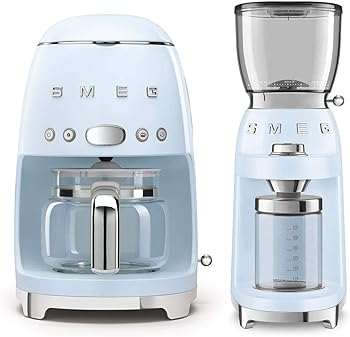
Why is Descaling Important?
Before we dive into the step-by-step guide, let’s understand why descaling is crucial for your Smeg coffee maker. Over time, the water you use in your coffee maker can contain minerals like calcium and magnesium. These minerals, when heated, can form limescale deposits that accumulate in the machine’s internal components.
As limescale builds up, it can cause several problems:
1. Reduced Performance:
Limescale can clog the water pathways, affecting the flow of water through the coffee maker. This may lead to slower brewing times and uneven distribution of water over the coffee grounds.
2. Impaired Taste:
Limescale can alter the flavor of your coffee by preventing the coffee maker from achieving the optimal brewing temperature. This results in under-extracted or over-extracted coffee, both of which can taste unpleasant.
3. Shortened Lifespan:
Limescale buildup can cause damage to internal components, reducing the lifespan of your coffee maker and potentially leading to costly repairs.
By descaling your Smeg coffee maker regularly, you can prevent these issues and ensure that your machine functions efficiently while consistently producing high-quality coffee.
Materials You’ll Need
Before you start descaling your Smeg coffee maker, gather the necessary materials.
These include:
1. Descaling Solution:
You can purchase a commercial descaling solution specifically designed for coffee makers. Alternatively, you can create a homemade descaling solution using equal parts of water and white vinegar.
2. Water:
You’ll need clean, fresh water for rinsing your coffee maker.
3. Empty Container:
Have an empty container or a large cup ready to catch the water that flows through the machine during the descaling process.
4. Microfiber Cloth:
A soft microfiber cloth is handy for wiping down the exterior of your coffee maker.
5. User Manual:
Keep your Smeg coffee maker’s user manual nearby for reference. It may have specific descaling instructions tailored to your model.

Step-by-Step Guide to Descaling Your Smeg Coffee Maker
Follow these steps to describe your Smeg coffee maker thoroughly. Make sure to consult your user manual for model-specific instructions as well.
Step 1: Prepare Your Coffee Maker
- Ensure your coffee maker is turned off and unplugged. Safety is a top priority.
- Remove the water reservoir and coffee filter, if applicable. Empty any remaining water from the reservoir and dispose of used coffee grounds.
- Check for any leftover coffee in the carafe and pour it out. Rinse the carafe and filter basket with warm, soapy water, and then rinse them thoroughly.
Step 2: Mix the Descaling Solution
- Consult your user manual to determine the appropriate ratio for mixing the descaling solution. If not specified, a common ratio is one part descaling solution to one part water.
- Add the descaling solution and water to the water reservoir. Be precise with your measurements to ensure the effectiveness of the descaling process.
- Reattach the water reservoir to the coffee maker.
Step 3: Start the Descaling Process
- Place an empty container or a large cup under the coffee spout to catch the water.
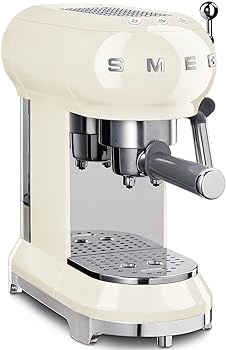
- Turn on your coffee maker. In most Smeg models, you’ll need to press and hold the coffee and steam buttons simultaneously for a few seconds to initiate the descaling process.
- The coffee maker will start pumping the descaling solution through the machine. The entire descaling process may take around 15-20 minutes. The machine will pause during this process, so don’t be alarmed if it stops for a short time.
- Keep an eye on the container beneath the coffee spout. As the solution flows through, it may become discolored as it removes limescale and mineral deposits.
- When the descaling process is complete, the coffee maker will indicate this, typically by illuminating an indicator light or displaying a message on the screen.
Step 4: Rinse Your Coffee Maker
- Empty the container used to catch the descaling solution.
- Remove the water reservoir and rinse it thoroughly with clean, fresh water.
- Fill the water reservoir with water and reattach it to the coffee maker.
- Place a clean container or cup under the coffee spout.
- Start the coffee maker to flush the machine with clean water. This rinse process helps remove any remaining traces of the descaling solution.
- Repeat the rinsing process until you’ve used the entire water reservoir. This ensures that all descaling solution is thoroughly flushed out.
Step 5: Complete the Descale
- To make sure that your coffee maker is completely descaled, repeat the descaling process if your user manual recommends it. In some cases, a second descaling cycle may be necessary for stubborn limescale buildup.
- Once you’re satisfied that the coffee maker is free of limescale and any remaining descaling solution, your machine is ready for use.
- Clean the exterior of your Smeg coffee maker with a damp microfiber cloth to remove any residue or water spots.
- Reassemble the coffee maker by placing the clean water reservoir and, if applicable, the coffee filter back in their respective positions.
- Plug in your coffee maker and turn it on. Your machine is now ready to brew a delicious, limescale-free cup of coffee.
Safety Precautions
While descaling your Smeg coffee maker is a straightforward process, it’s essential to prioritize safety.
Here are a few safety precautions to keep in mind:
- Always unplug your coffee maker before starting the descaling process to prevent electrical accidents.
- Work in a well-ventilated area. Descaling solutions can emit strong odors, so ensure proper ventilation to avoid inhaling any fumes.
- Handle hot water with care. During the descaling process, the water used will be hot. Be cautious to prevent burns.
- Follow the manufacturer’s recommendations provided in your user manual for the specific model of Smeg coffee maker you own.
Conclusion
Descaling your Smeg coffee maker is a simple but crucial maintenance task that ensures your machine operates efficiently and your coffee tastes as delicious as the day you brought it home.
By following the step-by-step guide outlined in this article and taking into account the safety precautions, you can keep your coffee maker in top condition and enjoy the perfect cup of coffee every time. Don’t forget to consult your user manual for model-specific instructions, and, as always, happy brewing!
You Might Be Interested In
- How To Prime A Keurig Coffee Maker?
- How to Program a Cuisinart Coffee Maker 14-Cup
- How To Make Chick-fil-A Frosted Coffee?
- How to Use a Budget-Friendly Mini Frother for Home Use
- How To Clean Bonavita Coffee Maker?
Frequently Asked Questions
How often should I describe my Smeg coffee maker?
Descaling frequency depends on your water hardness and usage. On average, descale your coffee maker every 2-3 months. If you have exceptionally hard water, you may need to descale more frequently.
Can I use a different descaling solution besides white vinegar or a commercial product?
You can use a descaling solution specifically designed for coffee makers or a homemade solution of equal parts water and white vinegar. Avoid using lemon juice or other acidic substances, as they can damage your coffee maker.
My coffee maker has a “Descaling” indicator. Do I still need to follow these steps?
The “Descaling” indicator on some Smeg coffee makers can automate parts of the process, but it’s essential to follow the steps outlined in your user manual for a thorough descaling. The indicator is a helpful reminder, but it doesn’t replace the full process.
What if I forgot to describe my coffee maker for an extended period?
If you’ve neglected descaling for a while, you may notice significant limescale buildup. In such cases, it’s recommended to run multiple descaling cycles and rinse thoroughly until the water runs clear.
Can I use a water filter to reduce the need for descaling?
Yes, using a water filter in your coffee maker can help reduce mineral buildup, but it doesn’t eliminate the need for descaling entirely. Regular descaling is still necessary to maintain your machine’s performance.