


If you ask ten coffee drinkers which coffee maker is the best, you will probably get ten different answers. After using a lot of machines over the years, I can tell you that there is no single perfect coffee maker for everyone. The best one depends on how you like your coffee, how much time you want to spend making it, and how much effort you are willing to put into the process.
Some people want a strong espresso that hits hard in the morning. Others prefer a smooth mug they can slowly drink while answering emails. Some want convenience above everything. Others enjoy the ritual of brewing coffee by hand.
The truth is that every brewing method has strengths and weaknesses. Certain machines produce deeper flavor but require more effort. Others are extremely convenient but limit control over the final cup.
Understanding how different coffee makers actually behave in real kitchens makes it much easier to choose the right one.
Why Choosing the Right Coffee Maker Matters
A coffee maker does far more than just heat water and pour it through grounds. The brewing method changes how coffee extracts, which directly affects flavor, strength, and body.
Temperature, pressure, and brewing time all influence what ends up in your cup. For example, espresso machines force hot water through coffee using high pressure, producing a concentrated shot with thick crema. A French press allows coffee to steep slowly, which pulls out more oils and creates a heavier mouthfeel.
Convenience is another big factor. Some coffee makers require almost no effort. Others ask for grinding, measuring, and careful pouring.
Over time, the choice also affects cost. A basic drip machine might last years with cheap filters. A pod machine may be inexpensive at first but becomes more expensive because of pods. Espresso machines can get pricey if you go deep into the hobby.
I have also seen people buy the wrong coffee maker simply because it looked impressive. Then it ends up collecting dust because it is too complicated for everyday use.
Choosing the right machine makes your daily coffee easier, cheaper, and much more enjoyable.
Different Types of Coffee Makers
Coffee makers come in several main styles, each using a different brewing method. Some rely on pressure, some on immersion, and others on controlled pouring.
Each method changes how the coffee extracts, which is why the same beans can taste very different depending on the machine.
Below are the main types you will see in most kitchens.
Drip Coffee Makers
Drip coffee makers are probably the most common machines you will find in homes. They are simple, reliable, and designed to make multiple cups at once.
Water heats inside the machine and slowly drips over coffee grounds held in a filter. The brewed coffee then collects in a glass or thermal carafe below.
In everyday use, drip machines are extremely convenient. You add water, add grounds, press a button, and wait a few minutes. Many machines also include timers so coffee is ready when you wake up.
Flavor from drip machines is usually balanced but not extremely strong. It depends a lot on the quality of the machine and the grind size. Cheaper machines sometimes brew at slightly lower temperatures, which can produce weaker coffee.
One thing I have noticed is that people often use too little coffee in drip machines. That is why their coffee tastes watery. When the coffee to water ratio is correct, drip machines can produce very satisfying coffee.
The biggest advantage is convenience. The biggest downside is limited control over brewing.
For most households, though, drip machines are perfectly practical.
Espresso Machines
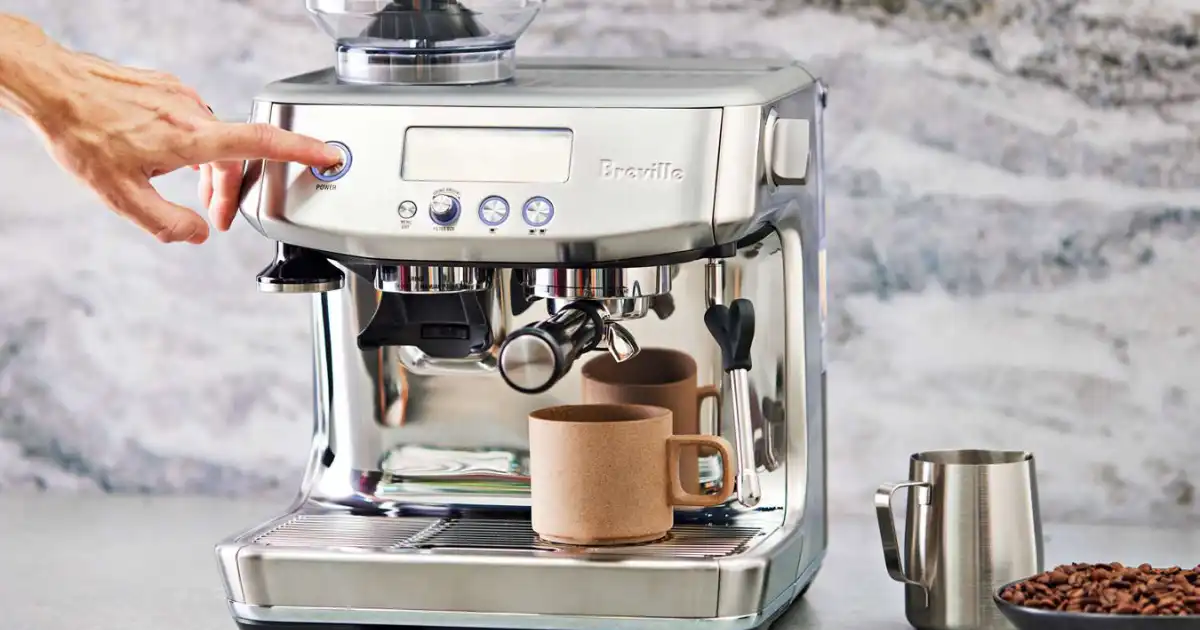
Espresso machines brew coffee using high pressure. Hot water is forced through finely ground coffee, usually around nine bars of pressure, which extracts a concentrated shot in about 25 to 30 seconds.
The result is strong coffee with a thick texture and crema on top. Espresso forms the base for drinks like lattes, cappuccinos, and flat whites.
There are several types of espresso machines ranging from manual to fully automatic. Manual machines require grinding, tamping, and controlling the shot yourself. Automatic machines handle most of the work.
In real life, espresso machines can be incredibly rewarding but also a bit demanding. Getting a great shot requires dialing in the grind size, adjusting dose, and sometimes experimenting with extraction time.
When everything is right, the coffee is amazing. Rich, intense, and layered with flavor.
When things are wrong, the shot can taste sour or bitter very quickly.
Another factor is cost. Good espresso machines and grinders can get expensive.
But for people who love milk drinks or strong coffee, espresso machines are hard to beat.
French Press Coffee Makers
French press brewing is about as simple as coffee making gets.
You add coarse coffee grounds to a glass or metal container, pour hot water over them, and let the coffee steep for several minutes. After that, you press a metal filter down to separate the grounds from the liquid.
Because the coffee stays in contact with the water during the entire brew time, the extraction is deeper. This method allows more oils and fine particles to remain in the coffee.
That is why French press coffee usually tastes fuller and heavier compared to drip coffee.
In my experience, French press coffee feels more rustic. It has more body and sometimes a slightly gritty texture.
Some people love that richness. Others prefer a cleaner cup.
The process itself is easy but requires attention to timing and grind size. Cleaning can also be slightly messy because you have to dispose of wet grounds.
Still, for people who want bold flavor without buying an expensive machine, French presses are excellent.
Pour-Over Coffee Makers
- Pour over brewing gives you complete control over how the coffee extracts.
- Instead of letting a machine pour water automatically, you slowly pour hot water over coffee grounds yourself. The water flows through a paper or metal filter into a cup or carafe.
- This method might sound simple, but small adjustments can change the flavor significantly. Pour speed, water temperature, and grind size all matter.
- Coffee enthusiasts often prefer pour over brewing because it produces extremely clean and bright flavors. Paper filters remove most oils and fine particles, leaving a crisp cup.
- However, pour over brewing is not ideal when you are in a hurry. It requires attention and practice.
- I have seen many beginners pour too quickly or unevenly, which causes weak or uneven extraction.
- Once you get the rhythm right, though, pour over coffee can be outstanding.
- For people who enjoy the brewing process itself, this method can become a relaxing daily ritual.
Single-Serve Pod Coffee Makers
- Single serve pod machines are designed for convenience above everything else.
- You insert a pre filled coffee pod, press a button, and the machine brews a cup in less than a minute. There is almost no preparation and very little cleanup.
- Machines like these became popular because they simplify the entire process. You do not need to measure coffee or worry about grind size.
- In real life, pod machines are extremely useful for busy households or offices where people want quick coffee without learning brewing techniques.
Pods are more expensive than regular ground coffee. Over time that adds up. You also have less control over flavor since the coffee inside the pod is already portioned and ground.
Another issue is that pod coffee sometimes tastes slightly less fresh compared to freshly ground beans.
Still, when convenience is the top priority, pod machines are hard to beat.
Cold Brew Coffee Makers
Cold brew coffee makers work very differently from traditional machines.
Instead of using hot water, they steep coffee grounds in cold water for a long time. Usually between 12 and 24 hours.
The slow extraction produces coffee that is smooth, mellow, and much lower in acidity.
Cold brew concentrate can be diluted with water or milk, which makes it versatile. It is also great for iced coffee.
The downside is patience. You have to prepare it far in advance.
But once you have a batch ready, it can stay in the refrigerator for several days.
For people who prefer smooth coffee without bitterness, cold brew makers are surprisingly satisfying.
Moka Pot Coffee Makers
Moka pots are classic stovetop brewers that produce strong coffee similar to espresso.
Water sits in the bottom chamber, coffee grounds in the middle, and brewed coffee collects in the top. When the water heats, pressure pushes it through the coffee.
The resulting drink is strong and rich, though not quite the same as true espresso because the pressure is lower.
Many people love moka pots because they are simple and durable. There are no electronics, and they can last for decades if cared for properly.
The main challenge is learning heat control. Too much heat can burn the coffee and produce bitterness.
Once you learn the technique, moka pots produce bold coffee that works well with milk.
Coffee Maker Comparison
Drip coffee machines are among the easiest for daily use and are great for brewing multiple cups at once. Flavor is usually balanced but not extremely intense.
Espresso machines create the strongest and most concentrated coffee, but they require practice and can be expensive.
French press brewers produce rich and heavy coffee with minimal equipment. Pour over methods provide the most control and often deliver the cleanest flavor.
Pod machines are the fastest and easiest option, though pod costs add up over time. Cold brew makers require patience but reward you with smooth low acid coffee. Moka pots sit somewhere between espresso and drip coffee in strength.
The best choice depends less on technology and more on how you like to drink your coffee every day.
Factors to Consider When Choosing a Coffee Maker
Coffee Flavor Preference
- Taste is the biggest deciding factor.
- If you love strong, concentrated coffee, espresso machines or moka pots will likely suit you best.
- If you prefer smooth, balanced coffee you can sip for a while, drip machines
- French press coffee sits somewhere in the middle but leans toward heavier and richer flavors.
- In my experience, people who care deeply about flavor usually end up experimenting.
Ease of Use
- Some machines require very little effort. Others require daily involvement.
- Pod machines and drip coffee makers are the easiest. They are simple and predictable.
- Pour over brewing and espresso machines require more attention.
- If you are not interested in learning brewing techniques, simpler machines will make your life easier.
Brewing Speed
- Morning routines matter more than people expect.
- Espresso machines and pod machines can produce coffee quickly once they are warmed up.
- Drip machines usually take five to ten minutes depending on the size of the pot.
- Pour over brewing requires active time, though the total process is still fairly quick.
- Cold brew takes the longest because preparation happens many hours in advance.
- Choosing a coffee maker that fits your schedule prevents frustration later.
Budget
- Coffee makers range from very cheap to extremely expensive.
- French presses, moka pots, and basic drip machines are usually affordable.
- Espresso machines can become expensive if you start buying grinders.
- Pod machines sit in the middle. The machines themselves are often affordable, but the long term cost of pods increases the overall price.
- Thinking about long term cost rather than just the machine price is important.
Cleaning and Maintenance
Some coffee makers require almost no maintenance.
French presses and pour over brewers rinse easily with warm water. Moka pots are also simple once you understand how to clean them properly.
Drip machines occasionally need descaling to remove mineral buildup.
Espresso machines require the most maintenance. Backflushing, cleaning the steam wand, and descaling are regular tasks.
Ignoring cleaning eventually affects flavor and machine lifespan.
Kitchen Space
Counter space is another practical factor people often forget.
Large espresso machines can dominate a kitchen counter. Drip machines also require a decent footprint.
French presses, moka pots, and pour over brewers are much smaller and easier to store.
If your kitchen is small, compact brewing methods may be the better choice.
Which Coffee Maker Is Best for Different People
For beginners, drip coffee makers or pod machines are usually the easiest place to start. They are simple, forgiving, and require very little learning. You can focus on enjoying coffee rather than worrying about technique.
For strong coffee lovers, espresso machines and moka pots deliver the intensity many people want. Espresso machines offer the most versatility, especially if you enjoy milk drinks like lattes and cappuccinos.
For coffee enthusiasts who enjoy experimenting, pour over brewing is often the most satisfying method. It allows precise control over extraction and highlights subtle flavors in different beans.
For convenience focused drinkers, pod machines are extremely practical. They produce consistent coffee quickly with almost no effort.
For budget friendly brewing, French presses and moka pots are excellent. They are inexpensive, durable, and capable of producing great coffee with very little equipment.
In real kitchens, the best coffee maker is usually the one that fits your daily routine rather than the one with the most features.
You Might Be Interested In
- Can You Run A Vertuo Pod Twice?
- Is Nespresso Machine In Decline?
- Why Is My Ninja Coffee Maker Overflowing The Grounds Basket?
- What Are The Benefits Of Vertuo Plus?
- How Many Watts Is Nespresso Essenza Mini?
Conclusion
The best coffee maker is the one that matches how you actually drink coffee every day. If you want quick, effortless coffee before work, a pod machine or drip maker will likely serve you better than a complex espresso setup. If coffee is a hobby and you enjoy experimenting with grind size, timing, and flavor, then manual methods like pour over or espresso machines can be incredibly rewarding.
Instead of chasing the “best” machine overall, focus on the one that fits your taste preferences, schedule, and budget. When the brewing method matches your lifestyle, making coffee becomes something you look forward to rather than something that feels like work.
FAQs
Which coffee maker makes the best tasting coffee?
The coffee maker that produces the best tasting coffee usually depends on what kind of flavor you enjoy. Different brewing methods extract coffee in different ways, which changes the body, strength, and clarity of the cup. For example, espresso machines produce intense, concentrated coffee with a thick texture, while pour over brewing tends to highlight lighter, brighter flavors with more clarity. French press coffee often tastes fuller and heavier because more oils remain in the drink.
In my experience, pour over and espresso brewing are often praised for flavor quality when done properly, but that does not mean other methods are worse. A well made cup from a simple drip machine can still taste excellent if the coffee beans are fresh and the ratio is correct. The truth is that the quality of the beans and how carefully the coffee is brewed usually matter more than the specific machine.
Is a drip coffee maker better than an espresso machine?
A drip coffee maker is not necessarily better than an espresso machine. They simply serve different purposes and produce very different styles of coffee. Drip machines brew larger amounts of coffee with a smoother and lighter profile, which makes them ideal for people who like drinking full mugs of coffee throughout the morning.
Espresso machines, on the other hand, produce small but very concentrated shots of coffee using pressure. These shots are stronger and richer, and they also form the base for drinks like lattes and cappuccinos. In practical terms, people who want quick, easy coffee for multiple cups often prefer drip machines, while people who enjoy strong coffee or milk based drinks tend to choose espresso machines.
What coffee maker do most people use at home?
In many households, drip coffee makers are still the most common type of machine. They are simple, affordable, and capable of brewing several cups at once, which works well for families or people who drink multiple cups throughout the day. Many models also include programmable timers, making them convenient for morning routines.
However, single serve pod machines have become extremely popular in recent years because of their convenience. They allow people to brew one cup at a time with almost no preparation. In smaller kitchens or for individuals who want quick coffee without measuring grounds, these machines are often the easiest solution.
Which coffee maker is easiest to use?
Single serve pod coffee makers are generally the easiest machines to use. The process is extremely simple. You insert a coffee pod, press a button, and the machine handles everything else. There is no measuring coffee, adjusting grind size, or worrying about brewing technique.
Drip coffee makers are also very easy to operate once you understand the basic coffee to water ratio. After adding water and ground coffee, the machine handles the brewing automatically. Compared to manual methods like pour over or espresso machines, both pod and drip coffee makers require far less effort and learning.
How long do coffee makers usually last?
The lifespan of a coffee maker depends on the type of machine, build quality, and how well it is maintained. Basic drip coffee makers usually last between five and ten years if they are cleaned and descaled regularly. Pod machines tend to last around the same amount of time, though heavy daily use can shorten their lifespan.
Manual brewers such as French presses, pour over drippers, and moka pots can last much longer because they have very few moving parts. Some moka pots and metal French presses can last decades with proper care. Espresso machines vary the most. Entry level machines might last several years, while higher quality machines that are maintained properly can continue working for a decade or more.